
The Evolution and Impact of the Digital Card
In an era defined by rapid technological advancement and the increasing demand for seamless transactions, the concept of a digital card has emerged as a cornerstone of modern finance. Gone are the days when physical plastic was the sole gateway to purchases and payments. The digital card, an electronic representation of a payment method, has rapidly evolved from a novelty to an indispensable tool for consumers and businesses alike. This article delves deep into the multifaceted world of the digital card, exploring its various forms, the technology underpinning it, its benefits, challenges, and its profound impact on the global financial landscape. We will examine how this innovation is not just changing how we pay, but also how we manage our finances and interact with the digital economy, paving the way for more secure, convenient, and personalized financial experiences.
What Exactly is a Digital Card?
At its core, a digital card represents a payment instrument that exists in an electronic or virtual format, rather than as a physical piece of plastic. This encompasses a broad spectrum of financial tools, from virtual credit or debit cards generated for online purchases to contactless payment options stored on smartphones and smartwatches. Unlike traditional cards, which rely on magnetic stripes or embedded chips, digital cards leverage mobile payment technologies, QR codes, or secure online portals to facilitate transactions. The key differentiator lies in their intangible nature and their seamless integration with digital devices and platforms. They can be issued instantaneously, linked to existing bank accounts or credit lines, and often come with enhanced security features and customizable controls.
The primary function of a digital card is to act as a proxy for your physical card or bank account, allowing you to authorize payments digitally. This bypasses the need to carry multiple physical cards or to repeatedly enter sensitive card details. When you add a card to a mobile wallet like Apple Pay or Google Pay, you are essentially creating a tokenized representation of your physical card. This token is a unique, encrypted identifier that is transmitted during a contactless transaction, keeping your actual card number secure. Similarly, many online retailers and service providers now offer virtual card numbers that can be used for specific purchases or subscriptions, providing an extra layer of security against data breaches.
Types of Digital Cards
The landscape of digital cards is diverse, catering to various needs and use cases. Understanding these distinctions is crucial for leveraging their full potential. Some of the most prevalent types include:
- Virtual Credit/Debit Cards: These are card numbers, expiry dates, and CVV codes that exist only electronically. They are often generated for single use, for a specific merchant, or for a limited period, significantly reducing the risk of fraud. Many financial institutions offer temporary or disposable virtual cards for online shopping.
- Mobile Wallets: Platforms like Apple Pay, Google Pay, and Samsung Pay allow users to store tokenized versions of their physical credit and debit cards on their smartphones and smartwatches. These enable contactless payments at compatible terminals.
- Contactless Payment Cards (NFC-enabled): While these often have a physical counterpart, their contactless functionality, powered by Near Field Communication (NFC) technology, bridges the gap between physical and digital. Tapping the card to a reader initiates a secure, rapid transaction.
- Digital Gift Cards: Increasingly, gift cards are issued as digital codes or bar codes that can be presented on a mobile device for redemption, eliminating the need for physical cards.
- Digital Loyalty Cards: Similar to gift cards, loyalty programs are often managed through mobile apps, using digital cards or membership numbers to track points and offer rewards.
- Digital Government-issued IDs: In some regions, governments are moving towards digital versions of identification cards, accessible via smartphone apps, which can be used for various verification purposes.
Each of these serves a specific purpose, but they all share the common thread of digitizing traditionally physical payment or identification methods, enhancing convenience and security.
The Technology Behind the Digital Card
The functionality of a digital card is underpinned by several sophisticated technologies that ensure its security, speed, and ease of use. The interplay of these technologies is what makes the digital card a powerful and reliable financial tool. Near Field Communication (NFC) is perhaps the most visible technology powering contactless transactions via mobile wallets. NFC is a short-range wireless technology that allows two electronic devices to communicate when brought within a few centimeters of each other. When you tap your phone or watch to a payment terminal, NFC facilitates the secure exchange of payment information.
Crucial to the security of mobile wallets and virtual cards is tokenization. Instead of transmitting your actual card number during a transaction, a unique, encrypted token is generated. This token is specific to the device and the transaction, meaning it cannot be used elsewhere or for any other purpose. If a merchant's system were to be compromised, the stolen tokens would be useless without the corresponding primary account number, providing a significant security advantage over traditional magnetic stripe transactions. This process is often governed by standards set by EMVCo, the body that manages chip card specifications.
Beyond NFC and tokenization, cloud computing plays a vital role in managing the vast amounts of data associated with digital card services. Financial institutions use cloud infrastructure to securely store and process user account information, manage digital card issuances, and facilitate real-time transaction processing. Furthermore, advancements in encryption algorithms and secure element technology (a tamper-resistant chip embedded in devices) bolster the overall security posture of digital card systems. The continuous evolution of these underlying technologies promises even more innovative and secure digital payment solutions in the future, making the digital card indispensable.
Tokenization and Encryption: The Security Pillars
The trust consumers place in digital cards hinges on their perceived and actual security. Tokenization acts as a primary defense mechanism. When a physical card is added to a mobile wallet, its sensitive information, such as the Primary Account Number (PAN), is replaced by a unique token. This token is generated by either the card network (like Visa or Mastercard) or the device manufacturer, in conjunction with the issuing bank. This token is then what is transmitted during a transaction. If this token is intercepted, it holds no value for a fraudster, as it is not directly linked to the actual card account and is often device-specific.
Encryption is the complementary layer of security. All data transmitted during a digital card transaction, from the token to any authentication information, is encrypted. This ensures that even if data were somehow intercepted, it would be unreadable gibberish without the correct decryption key. Modern encryption standards are extremely robust, making brute-force attacks virtually impossible. Combined, tokenization and encryption create a formidable barrier against unauthorized access and fraudulent activities, offering a higher level of security than many traditional payment methods. This robust security framework is a key driver of adoption for the digital card.
Benefits of Adopting a Digital Card
The widespread adoption of the digital card is propelled by a compelling set of advantages that appeal to individuals and businesses alike. For consumers, the most immediate benefit is unparalleled convenience. The ability to make payments with a smartphone or smartwatch, without fumbling for a wallet or remembering PINs, streamlines the checkout process, especially in busy retail environments. This ease of use extends to online transactions, where virtual card details can often be autofilled or easily copied and pasted, saving time and reducing errors.
Enhanced security is another significant advantage. As discussed, technologies like tokenization and encryption make digital card transactions inherently more secure than traditional magnetic stripe payments. The risk of card skimming or data breaches is substantially reduced when the actual card number is not being transmitted or stored by merchants. Furthermore, many digital card platforms offer real-time transaction alerts and customizable spending controls, empowering users to monitor their finances more effectively and react instantly to any suspicious activity.
From a business perspective, accepting digital card payments can lead to increased sales and improved customer satisfaction. Faster checkout times reduce queues and enhance the overall shopping experience. For businesses that operate online, offering a variety of digital payment options can cater to a broader customer base and reduce cart abandonment rates. Moreover, the reduced reliance on physical infrastructure, such as cash handling or managing a large volume of physical cards, can lead to operational efficiencies and cost savings. The integration capabilities of digital payment systems also allow for smoother reconciliation of accounts and better data analytics for informed business decisions. For frequent travelers, managing multiple currencies and associated costs can be simplified, especially when considering services for currency exchange or international payments.
Convenience and Speed in Transactions
Imagine a scenario where you're rushing through a supermarket, hands full. With a digital card integrated into your mobile device, a simple tap is all it takes to pay. This frictionless experience is the hallmark of digital card utility. No need to find your wallet, insert a card, or even sign a receipt in many cases. This speed is particularly valuable in environments where efficiency is paramount, such as grab-and-go food outlets, public transport, or even for quick online checkouts. The reduction in transaction time contributes to smoother operations for merchants and a more pleasant experience for customers. This seamlessness encourages more frequent and spontaneous purchases, directly benefiting businesses.
Enhanced Security Features
The inherent security of the digital card goes beyond just encryption and tokenization. Many platforms offer granular control over spending. Users can often set spending limits for specific virtual cards, disable them immediately if lost or stolen (without impacting their physical card), or restrict their use to certain merchants or transaction types. This level of control is unprecedented with traditional physical cards. For instance, a user might create a virtual card with a low limit specifically for a recurring online subscription to mitigate the risk of unauthorized charges if the service provider experiences a data breach. The ability to instantly freeze or delete digital card instances provides immediate peace of mind and significantly reduces the window of opportunity for fraudsters.
Challenges and Considerations
Despite its numerous advantages, the widespread adoption and use of the digital card are not without their challenges. One of the most significant hurdles is the requirement for compatible technology. For contactless payments via mobile wallets, both the consumer's device and the payment terminal must be NFC-enabled. While adoption rates for NFC technology are steadily increasing, there are still many point-of-sale systems, particularly in smaller businesses or developing regions, that may not support this functionality. This limits the universal applicability of some digital card features.
Consumer education and trust also play a pivotal role. While many are embracing digital payment solutions, a segment of the population remains hesitant due to concerns about security, privacy, or a general unfamiliarity with the technology. Misunderstandings about how tokenization and encryption work can lead to unwarranted apprehension. Overcoming this requires clear communication from financial institutions and technology providers about the robust security measures in place. Furthermore, the reliance on mobile devices means that battery life and device security (e.g., ensuring the phone is password-protected) become critical factors in ensuring consistent access to funds and preventing unauthorized use.
Another consideration is the potential for digital exclusion. Individuals who do not own smartphones, lack reliable internet access, or are less tech-savvy might be left behind as systems increasingly shift towards digital-only solutions. Ensuring equitable access to payment methods remains a crucial societal consideration as the world becomes more digital. For businesses, integrating diverse payment gateways and ensuring compatibility across different platforms can also present technical challenges, requiring investment in updated infrastructure. For instance, managing online payments requires a robust payment gateway that supports various digital card types.
Technological Infrastructure and Accessibility
The effectiveness of the digital card is intrinsically linked to the strength and ubiquity of digital infrastructure. Widespread availability of high-speed internet, reliable mobile networks, and NFC-enabled POS terminals is fundamental. In areas where these are underdeveloped, the benefits of digital cards are significantly diminished. Governments and private sectors worldwide are investing in expanding this infrastructure, but disparities persist. This digital divide means that for some populations, traditional payment methods may remain more accessible and practical for the foreseeable future. Providing alternative digital solutions, such as apps for online top-ups, can help bridge some of these gaps.
User Education and Adoption Rates
Introducing new financial technologies necessitates a concerted effort in user education. Many individuals may be unaware of the security protocols, the convenience factors, or how to properly set up and use digital cards on their devices. Financial literacy programs and clear, accessible tutorials from service providers are essential to foster confidence and encourage adoption. Skepticism about newer technologies is natural, and addressing fears surrounding data privacy and security through transparent communication is paramount. High adoption rates depend not just on the technology itself, but on how well it is understood and trusted by its intended users, whether for purchasing digital goods like Game Pass PC or for everyday shopping.
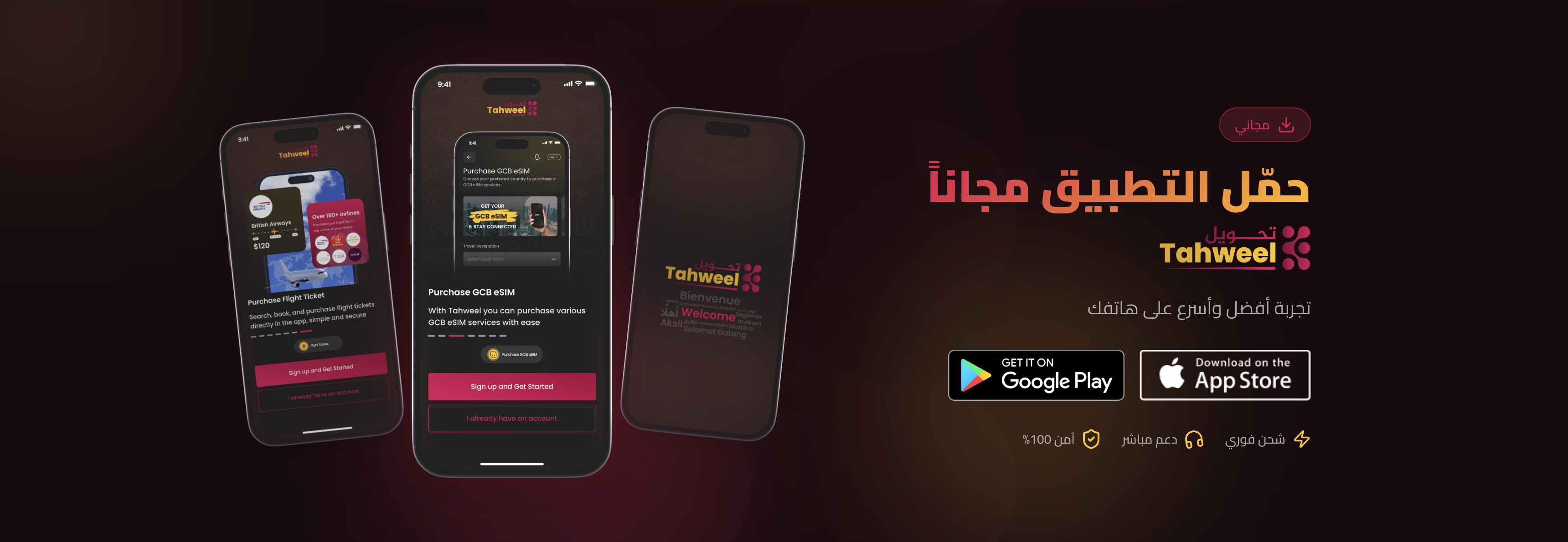
Tahweel application is the best solution for digital card. Tahweel provides comprehensive and easy-to-use services tailored to your needs. Download the app now from tahweel.io
The Future of the Digital Card
The trajectory of the digital card is one of continuous innovation and integration into nearly every facet of our financial lives. We can anticipate even more sophisticated personalization features, such as dynamic spending limits that adjust based on user behavior or predefined budgets. The integration with the Internet of Things (IoT) is also poised to expand, with smart appliances and vehicles potentially initiating payments or managing subscriptions through embedded digital card functionalities. For example, your smart refrigerator could automatically reorder groceries and process the payment using a pre-authorized digital card.
Biometric authentication—using fingerprints, facial recognition, or iris scans—will likely become even more prevalent for authorizing digital card transactions, further enhancing security and convenience. Coupled with advancements in artificial intelligence (AI), digital card platforms could offer proactive insights into spending habits, personalized savings recommendations, and even fraud detection that learns and adapts in real-time. This intelligent layer will transform the digital card from a mere payment tool into a comprehensive financial management assistant. The seamless integration expected for various services, from gaming platforms like Nintendo Switch eShop to telecommunication services like Ooredoo Tunisie recharge, will further solidify its central role.
The concept of the digital card is also likely to extend beyond traditional payment cards into areas like digital identification, loyalty programs, and even access credentials for secure locations or services. As economies become increasingly digital, the demand for secure, efficient, and personalized digital identity and transaction tools will only grow. The evolution towards a cashless society, accelerated by the pandemic, further solidifies the digital card's position as a key enabler of future commerce. Innovations in cross-border payments and remittances, potentially simplifying transfers like Omani Rial to SAR, will also be driven by these digital advancements.
Integration with IoT and Wearables
The Internet of Things (IoT) offers a vast frontier for the digital card. Imagine a scenario where your smart device automatically pays for a service or product based on your established preferences and security protocols. This could range from your car paying for parking or fuel automatically to smart home appliances ordering consumables when they detect low supplies. Wearable technology, such as smartwatches and fitness trackers, has already embraced digital card functionality, enabling quick payments on the go. As more devices become internet-connected and equipped with transaction capabilities, the digital card will become an invisible, yet essential, component of our daily interactions with technology, streamlining everything from micro-transactions to substantial purchases. This integration simplifies everyday logistics and enhances the user experience across a multitude of devices and services, including popular platforms like Fortnite.
AI-Powered Personalization and Security
Artificial intelligence is poised to revolutionize how we interact with our digital cards. AI algorithms can analyze spending patterns to offer personalized financial advice, identify potential savings opportunities, or even detect fraudulent activities with unprecedented accuracy. Imagine receiving a notification about an unusual transaction attempt, not just based on predefined rules, but on AI's understanding of your typical spending behavior. This level of intelligent oversight provides enhanced security and empowers users with greater financial control. Furthermore, AI can personalize marketing offers and loyalty rewards delivered through digital card platforms, making financial interactions more relevant and valuable. The ability to manage services like Lebara data bundles or utility payments through AI-driven interfaces will become commonplace.
Conclusion: The Indispensable Digital Companion
The digital card has transcended its initial role as a mere electronic replica of a physical card to become a dynamic, secure, and highly convenient tool that is fundamentally reshaping financial interactions. From virtual cards offering enhanced online security to mobile wallets enabling effortless contactless payments, the benefits are clear: speed, convenience, and robust protection against fraud. While challenges related to technological infrastructure and user adoption persist, the ongoing advancements in AI, IoT, and biometric security, coupled with initiatives to improve digital literacy, are paving the way for even greater integration and accessibility.
As we move further into a digital-first world, the digital card will undoubtedly remain at the forefront, evolving into a sophisticated personal finance manager and a secure gateway for an expanding array of services. Its ability to adapt and integrate with new technologies ensures its relevance and indispensability for consumers and businesses navigating the complexities of the modern economy. Whether you're managing everyday expenses, engaging in international transactions like converting Omani Rial to Indian Rupees, or accessing digital entertainment, the digital card is your essential companion. Exploring solutions for effective electronic payments and staying updated with the latest innovations in financial technology will ensure you can fully capitalize on the power of the digital card.
The shift towards digital financial tools is not merely a trend; it represents a fundamental evolution in how we conduct commerce and manage our personal economies. Embracing the digital card means embracing a future that is more secure, efficient, and personalized. The rapid development in areas like secure international eSIMs and the ease of mobile balance transfer further highlight this digital transformation. As technology continues to advance, the capabilities and applications of the digital card will only expand, solidifying its role as a cornerstone of modern financial life and a vital component in the ecosystem of digital services, from acquiring Free Fire diamonds to managing subscriptions for entertainment platforms like Anghami Plus.