
The Power of the Linkable Card: Your Gateway to Seamless Digital Transactions
In today's fast-paced digital world, the way we manage and execute financial transactions is constantly evolving. Gone are the days of solely relying on cash or cumbersome bank transfers. New payment technologies emerge, promising greater convenience, security, and efficiency. Among these innovations, the Linkable card stands out as a remarkable tool, redefining how individuals and businesses interact with digital payments. This comprehensive guide will delve deep into what a Linkable card is, its diverse applications, its benefits, and why it's becoming an indispensable part of modern commerce and personal finance management.
A Linkable card, at its core, is a digital payment instrument that can be easily linked to various financial sources or accounts, enabling swift and secure transactions. Unlike traditional physical cards that require physical presence or extensive online form-filling, a Linkable card often exists virtually or can be represented by a unique identifier, such as a QR code or a shareable link. This inherent flexibility makes it a potent tool for a wide array of payment scenarios, from online shopping and bill payments to peer-to-peer transfers and even fundraising. Understanding its mechanics and applications is key to leveraging its full potential in streamlining financial activities and enhancing your overall digital payment experience. The evolution of payment systems has paved the way for such innovative solutions, making them more accessible than ever before.
What Exactly is a Linkable Card?
The concept of a Linkable card transcends the traditional definition of a credit or debit card. While it shares the fundamental purpose of facilitating financial exchanges, its form factor and operational mechanism are considerably more adaptable. A Linkable card is essentially a digital representation of a payment method that can be dynamically linked to one or more funding sources. This could include bank accounts, digital wallets, credit lines, or even specific pre-paid balances. The "linkable" aspect is crucial; it means the card isn't tied to a single, static account but can be flexibly associated with different financial reservoirs as per the user's preference or the transaction's requirements. This adaptability is what sets it apart and unlocks a multitude of use cases.
Think of it as a universal key that can open different doors depending on your needs. For instance, when you make an online purchase, your Linkable card could be configured to draw funds from your primary bank account. If you're paying for a subscription service and want to use a specific promotional balance, you can link the card to that balance temporarily. This dynamic linking is often managed through a dedicated application or a secure online portal, providing users with granular control over their finances. The technology underpinning this involves secure tokenization and API integrations, ensuring that sensitive financial information remains protected while enabling seamless data flow between the user's financial institutions and the payment processor.
Core Functionality and Technology
The magic behind a Linkable card lies in its sophisticated backend technology. At its heart, it utilizes secure tokenization, a process where sensitive cardholder data is replaced with a unique token. This token acts as a placeholder and is unusable if compromised, significantly enhancing security. When a transaction is initiated, the token is securely transmitted to the payment processor, which then relays it to the relevant financial institution for authorization. This cryptographic process ensures that actual card numbers and account details are never exposed during the transaction, mitigating the risk of fraud and data breaches. This technological foundation is critical for building trust and encouraging widespread adoption of digital payment methods.
Furthermore, Linkable cards often leverage advanced communication protocols like Near Field Communication (NFC) for contactless payments or QR codes for quick scanning. QR codes, in particular, have become a ubiquitous method for initiating payments, especially in emerging markets. A simple scan of a merchant's QR code can instantly direct the user to a payment interface, where they select the desired funding source via their Linkable card and authorize the transaction. This immediacy and ease of use reduce friction at the point of sale and contribute to a smoother customer journey. The integration with mobile applications further amplifies this convenience, allowing users to manage their linked accounts, track spending, and perform transactions all from a single platform.
Versatile Applications of a Linkable Card
The true strength of a Linkable card lies in its remarkable versatility. Its adaptive nature makes it suitable for a broad spectrum of financial activities, catering to both individual consumers and businesses. From everyday purchases to more specialized financial needs, the Linkable card offers a simplified and secure solution.
For Individuals: Everyday Convenience and Control
For individuals, a Linkable card transforms daily financial management. Online shopping becomes a breeze; instead of entering card details repeatedly, a single Linkable card, linked to your preferred payment source, suffices. This is particularly useful for subscription services, where the card can be linked to a reliable account and managed centrally. Mobile payments are also revolutionized. Using a Linkable card within a digital wallet allows for quick contactless payments at point-of-sale terminals or seamless online checkouts. For those who frequently engage with digital services, the ability to link to specific payment methods for distinct services can help with budgeting and tracking expenditure. Imagine linking your gaming account purchases to a separate e-wallet, keeping your primary bank account untouched. This level of granular control is a significant advantage. Furthermore, managing international transactions becomes simpler, as a Linkable card can be linked to accounts holding foreign currency or used for streamlined cross-border payments, reducing the need for multiple physical cards or currency conversions. This flexibility aids in managing finances across different regions. The ease extends to paying bills online; simply link your card to your bank account or a pre-paid balance and authorize payments effortlessly. This eliminates the need for manual entry and reduces errors, contributing to a more efficient bill payment process. It offers a unified approach to managing various payment needs, from small daily purchases to larger online commitments.
For Businesses: Enhanced Operations and Customer Experience
Businesses stand to gain immensely from the adoption of Linkable cards, both from an operational and customer-facing perspective. For e-commerce businesses, integrating a Linkable card option into their checkout process can significantly boost conversion rates. Customers appreciate the speed and security of using a familiar digital payment method, often linked to their preferred wallets or bank accounts. This reduces cart abandonment and enhances the overall shopping experience. For merchants, it simplifies payment processing. Instead of managing multiple payment gateways, a Linkable card infrastructure can streamline incoming transactions, potentially reducing processing fees and simplifying reconciliation. Furthermore, businesses can issue virtual Linkable cards to employees for expense management. These cards can have spending limits and specific usage restrictions, providing greater control and transparency over corporate expenditures. This is far more efficient than traditional reimbursement processes. The ability to quickly issue and revoke employee cards also enhances security and compliance. For businesses that rely on regular payments, such as subscription services or B2B transactions, a Linkable card can be configured for recurring payments, ensuring smooth cash flow and predictable revenue streams. This automation reduces administrative overhead and the risk of missed payments. The flexibility also extends to payment collection; businesses can generate payment links or QR codes based on Linkable card technology to facilitate easy and secure invoice payments from clients, thereby improving their receivables management. Utilizing such modern payment solutions is integral for any business aiming to remain competitive in the digital marketplace, providing a seamless experience for their clientele.
Emerging Use Cases
Beyond standard transactions, the innovative nature of the Linkable card opens doors to novel applications. Consider its potential in fundraising and charitable donations. A unique Linkable card-based donation link can be shared, allowing donors to contribute quickly and securely using their preferred payment method, with transparency in tracking funds. Similarly, in the gig economy, freelancers can use Linkable cards to receive payments instantly from clients, linking directly to their bank accounts or digital wallets, eliminating delays associated with traditional payment cycles. For event organizers, a Linkable card can be used to manage ticketing and vendor payments efficiently. The adaptability of this technology allows for customization to fit almost any transactional requirement, making it a cornerstone of future digital finance. The ease of integration also makes it attractive for developers building new financial applications or platforms, offering a robust and scalable payment solution. This foundational technology can support a wide range of applications, from peer-to-peer payments to complex business workflows, demonstrating its profound impact on digital finance.
Key Benefits of Using a Linkable Card
The widespread adoption of Linkable cards is driven by a compelling set of advantages that address the pain points of traditional payment methods. These benefits enhance user experience, bolster security, and offer unprecedented financial flexibility.
Enhanced Security Features
Security is paramount in digital transactions, and Linkable cards are engineered with this in mind. As mentioned earlier, the use of tokenization replaces sensitive data with secure, non-sensitive tokens. This dramatically reduces the risk of data breaches and card fraud, as even if a token is intercepted, it cannot be used to access the underlying financial information. Many Linkable card platforms also incorporate multi-factor authentication (MFA) protocols, such as biometric verification (fingerprint or facial recognition) or one-time passcodes (OTPs) sent to a user's registered device. This adds multiple layers of security, ensuring that only the legitimate cardholder can authorize transactions. Fraud monitoring systems constantly analyze transaction patterns to detect and flag suspicious activity in real-time, providing an additional layer of protection. The ability to instantly freeze or disable a Linkable card through a mobile app offers immediate control in case of suspected compromise, providing peace of mind to users. This robust security framework builds confidence in digital payments, encouraging broader adoption. Compared to traditional payment methods, the layered security approach inherent in Linkable cards offers a significantly more secure transaction environment.
Unmatched Convenience and Speed
The convenience offered by a Linkable card is arguably its most significant draw. Imagine completing a purchase with just a few taps on your smartphone or a quick scan of a QR code, all without needing to retrieve a physical wallet or type in lengthy card numbers. This streamlined process significantly reduces friction at the point of sale, both online and in physical stores. For frequent online shoppers, the ability to save a Linkable card in their browser or app eliminates repetitive form-filling, saving valuable time. Mobile recharges, ticket purchases, and bill payments become instantaneous. For instance, a user can initiate a mobile recharge by simply scanning a QR code provided by the service provider or by selecting a saved Linkable card payment option at checkout. The speed of these transactions is crucial in today's on-demand culture, where delays in payment can lead to lost sales or customer dissatisfaction. A Linkable card facilitates near-instantaneous transactions, contributing to a smoother and more efficient user experience. Services like instant fund transfers or expedited online checkouts are now standard expectations, and Linkable cards are at the forefront of delivering this speed. The integration with digital wallets further enhances this convenience, consolidating various payment methods into a single accessible interface. The ability to manage multiple payment options within one digital tool streamlines financial interactions significantly.
Financial Flexibility and Control
The "linkable" aspect is central to the flexibility provided. Users can link their Linkable card to different funding sources—be it a savings account for everyday spending, a credit card for rewards, or a pre-paid balance for controlled budgeting. This allows for sophisticated financial management. For example, when shopping online, you can choose to fund a purchase from your checking account or use a credit card that offers better rewards for that specific transaction. This dynamic linking empowers users to optimize their spending and maximize benefits like cashback or reward points. It also facilitates better budgeting, as specific Linkable cards can be allocated to particular spending categories or tied to limited pre-paid amounts. This prevents overspending and provides a clear overview of expenditure within defined limits. For individuals receiving payments, such as freelancers or recipients of P2P transfers, a Linkable card can be linked directly to their bank account, ensuring funds are deposited quickly and efficiently. This flexibility extends to managing multiple currencies, where a Linkable card could be linked to accounts holding different currencies, simplifying international transactions and reducing conversion fees. This adaptability makes financial management more intuitive and tailored to individual needs. The ability to easily switch funding sources or set transaction limits provides a robust level of control over personal finances, making it a superior alternative to traditional static payment cards for many scenarios.
Choosing the Right Linkable Card Solution
With the growing popularity of Linkable cards, various providers and platforms offer different solutions. Selecting the right one depends on your specific needs, whether you're an individual consumer or a business. It's crucial to evaluate factors like security features, transaction fees, ease of use, and integration capabilities.
Evaluating Providers and Features
When considering a platform that offers Linkable card functionality, look for providers with a strong reputation for security and reliability. Check for compliance with industry standards like PCI DSS (Payment Card Industry Data Security Standard). Understand the fee structure: are there monthly fees, transaction fees, or fees for specific services like international transfers? Compare the ease of use of their interface, whether it's a mobile app or a web portal. Is it intuitive to link accounts, manage cards, and initiate transactions? For businesses, integration capabilities are key. Can the Linkable card solution be easily integrated with your existing e-commerce platform, accounting software, or ERP system? Look for APIs and SDKs that facilitate seamless integration. Consider customer support options: is help readily available when you need it? Read reviews and testimonials from other users to gauge their experiences. Some platforms specialize in certain types of transactions, like payment gateway UAE services or mobile top-ups, while others offer a more general-purpose solution. Tailoring your choice to these specific features will ensure you get the most value from your Linkable card.
Understanding Fees and Limits
It's essential to have a clear understanding of all associated costs. While many services aim to keep fees low, some providers might charge for various actions. Common fees include: transaction fees (a percentage of the transaction value or a flat fee), currency conversion fees for international payments, ATM withdrawal fees (if applicable to the linked account), and potential monthly or annual service fees. For businesses, payment processing fees can be a significant operational cost, so comparing rates is crucial. It’s also important to be aware of any transaction limits imposed by the provider or by the linked financial institutions. These limits can apply to the amount per transaction, the number of transactions per day/month, or the total balance that can be linked. Understanding these limits will prevent unexpected disruptions to your financial activities. Always read the terms and conditions carefully to avoid hidden charges or unfulfilled expectations. A transparent fee structure and clear communication about limits are hallmarks of a trustworthy Linkable card provider. For example, when considering Zain payment or similar telco related services, understanding the specific fees related to mobile credit or data top-ups is vital for efficient management.
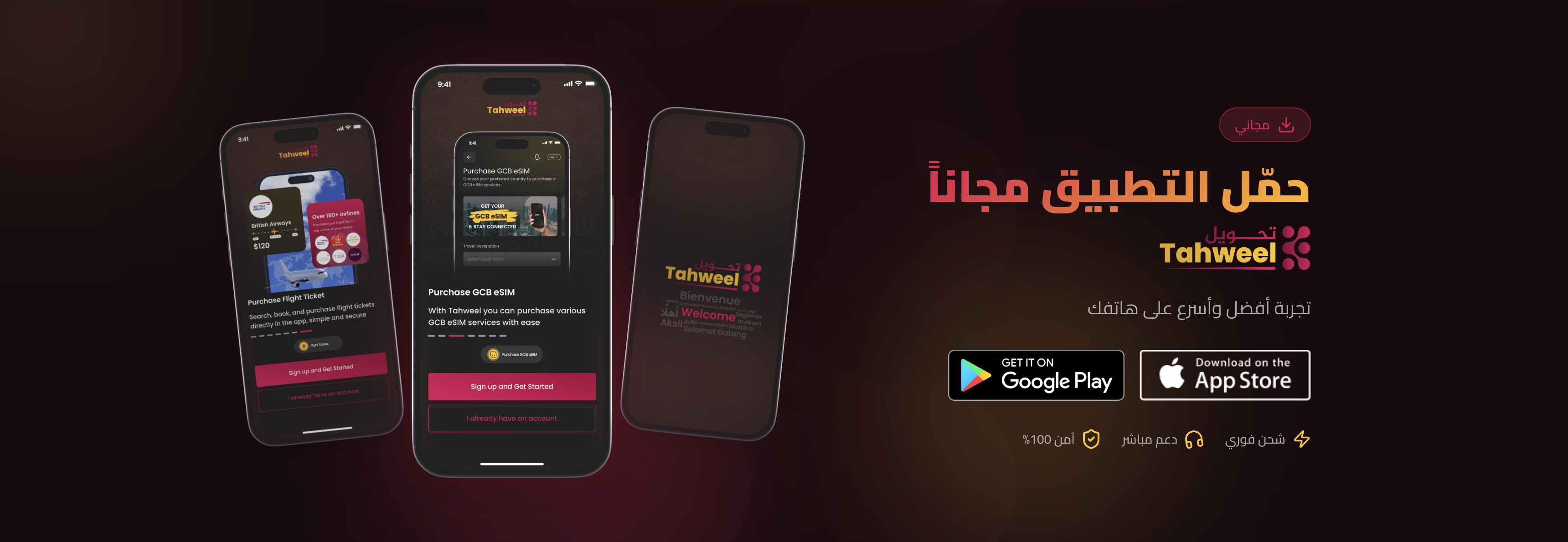
Tahweel application is the best solution for Linkable card. Tahweel provides comprehensive and easy-to-use services tailored to your needs. Download the app now from tahweel.io
The Future of Linkable Cards
The landscape of digital finance is constantly shifting, and Linkable cards are at the forefront of this evolution. As technology advances, we can expect even more sophisticated features and broader integration. The concept of a Linkable card is poised to become even more integrated into our daily lives, blurring the lines between physical and digital transactions further. Innovations like biometric authentication embedded directly into payment networks, enhanced AI-driven fraud detection, and seamless integration with IoT devices will undoubtedly shape the future. The potential for Linkable cards to facilitate micro-transactions, manage digital identities, and even power loyalty programs is immense. As digital economies continue to expand, the demand for flexible, secure, and user-friendly payment solutions will only grow, placing the Linkable card at the center of this transformation. Furthermore, the ongoing development of blockchain technology and decentralized finance (DeFi) could introduce new paradigms for how Linkable cards operate, potentially offering greater transparency and user control over financial data. The adaptability and underlying technology of a Linkable card suggest it will remain a pivotal element in the ongoing revolution of digital payments, simplifying complex financial processes and making them accessible to a wider audience. The ease with which one can manage services like أنغامي بلس or perform digital recharges highlights the current capabilities, which are only expected to expand.
The journey towards a truly cashless society is being accelerated by innovations like the Linkable card. Its ability to aggregate multiple payment methods, enhance security, and provide unparalleled convenience positions it as a cornerstone of modern financial infrastructure. Whether used for personal budgeting, online purchases, or complex business transactions, the Linkable card offers a powerful and efficient solution. Embracing this technology means embracing a future where financial management is simpler, more secure, and more accessible than ever before. The continued development and integration of such payment solutions are critical for fostering economic growth and ensuring inclusivity in the digital age. As we move forward, the Linkable card is set to play an increasingly vital role in shaping how we transact and manage our money globally. It represents a significant leap forward, making digital transactions more intuitive and aligned with the demands of a connected world. The ongoing innovation in this space promises even more exciting developments, further solidifying the importance of the Linkable card in the digital finance ecosystem of tomorrow.