
Money Transfer vs Balance Transfer: Understanding the Core Differences
In the vast landscape of personal finance and digital transactions, distinguishing between seemingly similar services can be a challenge. Two such services that often cause confusion are money transfer and balance transfer. While both involve the movement of funds, their purposes, mechanisms, and ultimate goals are significantly different. Understanding the nuanced distinctions between money transfer vs balance transfer is crucial for making informed financial decisions, whether you're sending funds overseas, consolidating debt, or simply trying to manage your payment obligations efficiently. This comprehensive guide will delve deep into each concept, highlighting their unique features, use cases, benefits, and potential drawbacks, enabling you to choose the right financial tool for your specific needs. We will explore how services like Tahweel can play a role in facilitating various financial operations, though it’s important to categorize their offerings correctly within the broader context of these financial instruments.
What is a Money Transfer?
A money transfer, also widely known as a remittance, is fundamentally a service that allows individuals or businesses to send money from one person or entity to another, often across different geographical locations. This is the most common and direct way to move funds for various purposes, such as sending money to family members back home, paying for goods or services purchased online from international vendors, or making payments for freelance work. The core function of a money transfer is the transmission of value from a sender to a recipient. The scope can range from a small personal gift to a substantial business transaction. The speed, cost, and method of transfer can vary significantly depending on the provider and the chosen method. Digital platforms, traditional bank wires, and money transfer agencies are common channels for these transactions. The primary intent behind a money transfer is to facilitate the movement of capital from point A to point B, effectively giving the recipient access to funds that originate from the sender.
When we talk about money transfers, we are usually referring to the act of sending money without the intent of immediately paying off a debt. For example, you might use a money transfer service to send money to a friend travelling abroad, to pay a supplier for imported goods, or to transfer funds between your own accounts in different banks. The key characteristic is that the funds are being moved to be used or held by the recipient, not to settle an existing obligation in the same way a balance transfer operates. This broad definition encompasses numerous types of transactions, from peer-to-peer payments to international remittances. It’s the simplest form of financial locomotion, designed to get funds from one party to another efficiently. For seamless international transactions, exploring options for طريقة تحويل رصيد دولي or general شحن رصيد دولي can highlight the diverse methods available for moving money across borders. These services often leverage advanced digital infrastructure to ensure speed and security, making them ideal for global financial exchanges. The evolution of technology has made the process of sending money internationally more accessible and affordable than ever before, offering a stark contrast to the more specialized nature of balance transfers.
Types of Money Transfers
Money transfers can be categorized into several types, each catering to different needs and contexts:
- International Wire Transfers: These are traditional bank-to-bank transfers, typically used for larger sums and international transactions. They are generally secure but can be slower and more expensive than other methods.
- Online Money Transfer Services: Platforms like PayPal, Wise (formerly TransferWise), Remitly, and Western Union offer convenient ways to send money online, often with competitive exchange rates and lower fees. These are increasingly popular for their speed and user-friendliness.
- Mobile Money Transfers: In many regions, particularly in Africa and Asia, mobile money services allow users to send and receive money using their mobile phones, often linked to mobile network operator accounts.
- Peer-to-Peer (P2P) Payments: Apps like Venmo, Cash App, and Zelle facilitate direct money transfers between individuals, usually within the same country.
- Cash Pick-up: Services that allow the sender to send money, which the recipient can then collect in cash at a physical agent location.
What is a Balance Transfer?
A balance transfer is a specific financial transaction where you move the outstanding balance from one credit card or loan to another. The primary motivation for a balance transfer is usually to take advantage of a lower interest rate, a promotional offer, or to consolidate multiple debts into a single payment. For instance, a person might transfer the balance from a credit card with a high APR to a new card offering a 0% introductory APR for a specified period. This allows them to pay down the principal debt more effectively without being burdened by accumulating interest. Balance transfers are typically associated with credit cards and personal loans and are a tool for debt management rather than for the simple movement of funds from one person to another. This is a key differentiator in the money transfer vs balance transfer discussion.
When considering a balance transfer, it's crucial to understand the associated fees (often a percentage of the transferred amount) and the interest rate that will apply after the introductory period ends. Failure to pay off the balance during the promotional period can result in significant interest charges, sometimes even backdated to the date the balance was transferred. Therefore, a balance transfer is a strategic financial move aimed at optimizing debt repayment and reducing the overall cost of borrowing. It's not about sending money to someone else; it's about restructuring your own financial obligations. This type of financial tool is essential for individuals looking to gain control over their debt and improve their credit standing by making payments more manageable and cost-effective. For those interested in managing various financial obligations, understanding concepts like دفع إلكتروني or exploring options for أفضل تطبيق شحن رصيد can provide a broader perspective on financial management tools, even though balance transfers themselves are a specialized product.
Common Scenarios for Balance Transfers
- Reducing Interest Costs: Transferring high-interest credit card debt to a card with a 0% or low introductory APR is the most common reason.
- Consolidating Debt: Moving balances from multiple credit cards to a single card can simplify payments and make it easier to track debt.
- Improving Credit Utilization: By consolidating debt, you might lower your overall credit utilization ratio, which can positively impact your credit score.
- Tapping into Equity: This can also refer to transferring a mortgage balance to a new lender, often to secure better terms or cash out equity.
Money Transfer vs Balance Transfer: Key Differentiating Factors
The distinction between money transfer vs balance transfer becomes clearer when we examine their fundamental differences. While both involve the movement of funds, their purpose, the parties involved, and the financial instruments utilized are distinct. A money transfer is about sending money to someone else, or between your own accounts, to be used as cash. A balance transfer is about reorganizing your own existing debts, typically from one credit facility to another, to achieve a better financial outcome, usually lower interest payments or simplified management.
Let's break down these differences:
Purpose
Money Transfer: To send funds to another person or entity for spending, savings, or for payment of services/goods. Examples include sending money to family abroad, paying an online invoice, or giving a gift. It’s about the movement of liquid cash.
Balance Transfer: To move an existing debt from one credit account to another, typically to reduce interest costs or to consolidate multiple debts. It's a debt management strategy focused on optimizing borrowing costs.
Parties Involved
Money Transfer: Involves a sender and a recipient. This could be an individual, a business, or even different accounts belonging to the same individual.
Balance Transfer: Primarily involves the individual (borrower) and financial institutions (original creditor and new creditor). No funds are directly sent to a third-party recipient for spending.
Financial Instruments
Money Transfer: Utilizes services like bank wires, online money transfer platforms (e.g., Tahweel, Wise, Western Union), mobile payment apps, and remittance services.
Balance Transfer: Typically involves credit cards and loans. The transfer is facilitated by the new credit card issuer or lender.
Fees and Interest
Money Transfer: Fees usually include transaction fees, currency conversion fees, and sometimes service charges. Interest is generally not applicable unless the transfer is funded by a credit card and treated as a cash advance.
Balance Transfer: Often involves a balance transfer fee (a percentage of the amount transferred) and the interest rate that applies to the new account, which may be a promotional rate or the standard APR. Missing payments can incur penalties and revert to high interest rates.
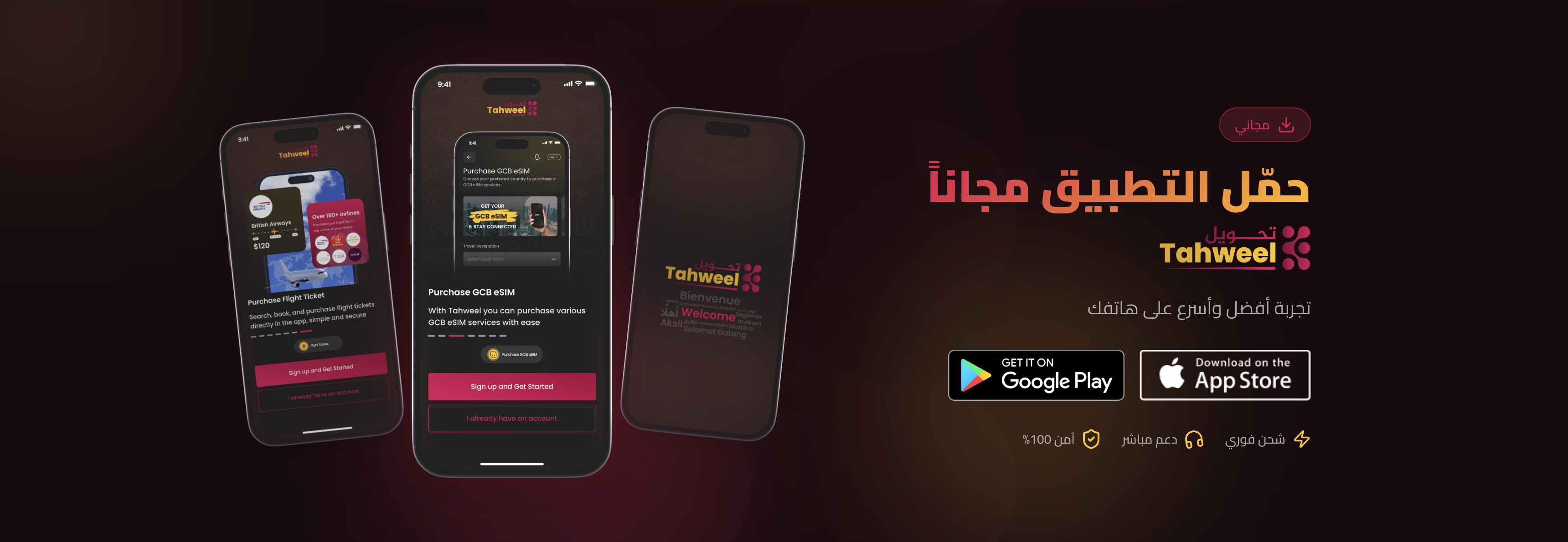
Tahweel application is the best solution for money transfer vs balance transfer. Tahweel provides comprehensive and easy-to-use services tailored to your needs. Download the app now from tahweel.io
When to Choose a Money Transfer
A money transfer is the appropriate choice when your intention is to send cash to someone else for them to spend or receive. Common scenarios include:
- Supporting Family Abroad: Sending funds to family members for living expenses, education, or emergencies. This is a primary use case for international remittances. Related services like omani rial to indian rupee conversions or omani rial to saudi riyal exchanges highlight the need for reliable currency conversion in money transfers.
- Paying for International Services or Goods: If you're purchasing items from an international e-commerce site or paying freelancers in other countries.
- Sending Gifts or Travel Money: Sending money to a friend or family member as a gift or providing them with funds while they are traveling.
- Business Transactions: Paying suppliers, partners, or employees in different locations.
- Moving Funds Between Your Own Accounts: Transferring money between your bank accounts held in different countries or institutions.
Services specializing in international money transfers focus on providing competitive exchange rates, reliable delivery times, and secure platforms to ensure the funds reach the intended recipient without issues. For instance, if you need to تحويل رصيد موبايل internationally, dedicated money transfer services are typically more efficient than traditional banks. The ease of use and accessibility make them a preferred option for many individuals and businesses engaging in cross-border transactions.
When to Choose a Balance Transfer
A balance transfer is the strategic decision to make when you are looking to manage and reduce your existing debt burden. It's a tool for personal financial management. Consider a balance transfer if:
- You have high-interest debt: A new card with a 0% or low APR introductory offer can save you significant money on interest payments, allowing more of your payment to go towards the principal. This is particularly relevant for credit card debt.
- You want to consolidate multiple debts: Transferring balances from several credit cards to one can simplify your monthly payments, reduce the number of accounts to manage, and potentially lower your overall interest paid. This can be a step towards achieving better financial organization.
- You need to improve your credit utilization ratio: By consolidating debt onto a single card, you might improve your credit utilization ratio if the new card has a higher credit limit. A lower utilization ratio can positively impact your credit score.
- You are undertaking major financial planning: For instance, homeowners might consider a balance transfer on a mortgage as part of a refinancing strategy to secure better loan terms or consolidate other debts into their mortgage.
It's vital to have a clear repayment plan in place before initiating a balance transfer. The goal is to pay off the debt within the promotional period. If not, the standard APR can be substantial. For individuals managing multiple financial accounts, exploring options such as zain payment or understanding general payment gateway uae services can be part of a broader financial management strategy, but these are distinct from balance transfers, which focus specifically on debt consolidation and interest reduction.
Key Considerations and Potential Pitfalls
Both money transfers and balance transfers come with their own set of considerations. Understanding these can prevent unexpected costs or problems.
For Money Transfers:
- Exchange Rates: The rate at which your currency is converted to the recipient's currency can significantly impact the total amount received. Always compare rates from different providers. Poor exchange rates can negate low fees.
- Transfer Fees: These can vary widely. Some providers might seem cheaper upfront but have less favorable exchange rates, or vice versa.
- Transfer Speed: Some transfers are instant, while others can take several business days. The urgency of the transfer should be a deciding factor.
- Recipient Information: Ensure all recipient details (bank account number, name, address, SWIFT code, etc.) are accurate to avoid delays or failed transfers. A slight typo can lead to major issues.
- Regulatory Compliance: International transfers often have limits and may require additional documentation due to anti-money laundering and Know Your Customer (KYC) regulations.
For Balance Transfers:
- Balance Transfer Fees: Typically a percentage (e.g., 3-5%) of the amount transferred. This fee can add a substantial amount to the debt.
- Introductory APR Period: Understand the exact duration of the low or 0% APR offer. Missing this window means facing the standard, often high, interest rate.
- Post-Introductory APR: The interest rate after the promotional period ends is critical. If it's still high, the benefit of the transfer might be minimal or nonexistent.
- Cash Advances: Performing a balance transfer that is treated as a cash advance can incur higher fees and interest rates, often starting immediately with no grace period.
- Impact on Credit Score: While balance transfers can help manage debt, applying for new credit can temporarily lower your score. Also, closing old accounts after transferring balances can reduce your average account age and credit history length.
- Spending on the New Card: It's tempting to use the new card for further spending, but this can compound debt and negate the benefits of the transfer.
Navigating these complexities requires careful planning. For example, understanding recharger telecom or similar services might be relevant for ensuring your communication lines remain active while managing finances, but it doesn't substitute the specific function of a balance transfer. The core of a balance transfer is about managing your existing credit obligations more favorably.
The Role of Digital Platforms in Financial Transactions
The digital revolution has profoundly impacted how money transfers and financial management tools are accessed and utilized. Online platforms and mobile applications have made these services more accessible, convenient, and often more affordable than traditional methods. For money transfers, platforms offer real-time tracking, competitive exchange rates, and the ability to send funds from anywhere with an internet connection. Services like Tahweel are at the forefront of this digital transformation, providing user-friendly interfaces for a wide array of financial transactions, including remittances and various forms of online payments. Whether it's شحن رصيد اون لاين or currency exchange, these platforms simplify complex processes.
Similarly, for balance transfers and debt management, digital tools can help individuals compare offers, track their progress, and manage payments. Fintech companies are continuously innovating, offering solutions that cater to evolving consumer needs. This digital shift empowers individuals with greater control over their finances, making global transactions and personal debt management more efficient. The choice between engaging in a money transfer or initiating a balance transfer often depends on the individual's immediate financial objective, but the availability of robust digital platforms ensures that both can be executed with greater ease and transparency than ever before. For many, understanding how to use these digital tools effectively is as important as understanding the financial instruments themselves. Services like منصة الدفع and various digital payment systems are critical components of modern financial ecosystems.
Conclusion: Making the Right Choice
In summary, the distinction between money transfer vs balance transfer lies fundamentally in their purpose: one is for sending money, the other for managing debt. A money transfer is about moving funds from one party to another for immediate use, facilitating transactions, remittances, and payments. On the other hand, a balance transfer is a financial strategy aimed at optimizing existing debt by moving it to a new account, typically to secure lower interest rates or simplify payments. Neither service is inherently better than the other; their utility is entirely dependent on your specific financial goal and situation. If you need to send money to someone, a money transfer service is your solution. If you are looking to reduce the cost of your existing debt, a balance transfer might be the right move.
By understanding these core differences, the associated fees, potential pitfalls, and the advantages of digital platforms, you can confidently choose the financial tool that best aligns with your needs. Whether you're facilitating seamless global transactions or strategically restructuring your debts for a healthier financial future, informed decision-making is key. Always do your research, compare options, and ensure you fully grasp the terms and conditions before proceeding with any financial transaction. For those seeking reliable and efficient ways to send money, platforms like Tahweel offer a modern solution.
Choosing the right financial tool—be it for international remittances, online payments like شحن رصيد اون لاين, or strategic debt management through balance transfers—requires a clear understanding of your objectives. Both money transfers and balance transfers play vital roles in the financial ecosystem, serving distinct but equally important functions for individuals and businesses alike. Staying informed and utilizing the right services ensures efficient financial management and strategic progress towards your financial goals.