Understanding and Harnessing the Power of MyDigital Wallet
In today's fast-paced digital era, managing finances has become more integrated with technology than ever before. Gone are the days when physical cash and cumbersome bank transfers were the only options. The advent of mydigital wallet has fundamentally transformed how individuals and businesses handle money, making transactions swift, secure, and incredibly convenient. This comprehensive guide delves deep into the world of digital wallets, exploring their functionalities, benefits, security aspects, and the future they represent in our increasingly connected world. Whether you're a tech-savvy individual or someone looking to simplify their financial dealings, understanding mydigital wallet is crucial for navigating the modern financial landscape.
What is MyDigital Wallet? Defining the Digital Revolution
At its core, mydigital wallet, often referred to simply as a digital wallet or e-wallet, is a secure software-based system that stores users' payment information and passwords. It streamlines the payment process, allowing users to make electronic transactions quickly and efficiently. Instead of carrying physical credit cards, debit cards, or even cash, all necessary financial details are stored securely on a smartphone, computer, or smartwatch. This innovation removes the friction from everyday purchases, whether online or in physical stores.
The concept extends beyond just storing payment card details. A comprehensive digital wallet can hold a variety of valuable information. This includes not only credit and debit card numbers but also bank account information, loyalty program cards, gift cards, transit passes, event tickets, boarding passes, and even digital identification. The primary goal is to create a single, secure repository for all your transactional and identity-related digital assets, accessible with a few taps or clicks. This consolidation simplifies access and management, reducing the clutter of physical items and digital accounts.
Think of it as a digital extension of your physical wallet, but with enhanced capabilities and security. The convenience of a mydigital wallet is undeniable. Imagine paying for groceries with a tap of your phone, buying a movie ticket online without entering card details every time, or instantly sending money to a friend just by using their mobile number. These are not futuristic fantasies but current realities made possible by sophisticated digital wallet technology. The underlying infrastructure typically involves secure data storage, encryption protocols, and often near-field communication (NFC) or QR code technology for in-person transactions. The seamless integration into our mobile devices makes it an indispensable tool for modern life, facilitating everything from online shopping to contactless payments at the point of sale. It's about bringing financial power directly into the palm of your hand, securely and efficiently.
Types of Digital Wallets
Digital wallets can be broadly categorized based on how they function and where they are accessed:
- Mobile Wallets: These are applications installed on smartphones or tablets. They are the most common type, leveraging device features like NFC for contactless payments or displaying QR codes for scanning. Examples include Apple Pay, Google Pay, and Samsung Pay.
- Desktop Wallets: These are installed on a desktop computer and are often used for online transactions and managing cryptocurrency. They offer robust security but lack the on-the-go convenience of mobile wallets.
- Online Wallets (Web Wallets): These are accessible via a web browser and are not tied to a specific device. Users log into an account hosted by the service provider to manage funds and make payments. PayPal is a prime example of an online wallet.
- Hardware Wallets: Primarily used for cryptocurrencies, these are physical devices that store private keys offline, offering the highest level of security against online threats.
The Undeniable Benefits of Using MyDigital Wallet
The widespread adoption of mydigital wallet solutions is driven by a multitude of compelling advantages that cater to the demands of modern consumers and businesses alike. These benefits underscore why embracing digital wallets is not just a trend, but a fundamental shift towards more efficient financial management.
Unmatched Convenience and Speed
Perhaps the most significant advantage is the sheer convenience. MyDigital wallets eliminate the need to carry multiple physical cards or search for cash. Payments can be made with a simple tap of a smartphone or smartwatch at a point-of-sale terminal, or with a few clicks online. This speed is invaluable in busy retail environments or when making quick online purchases. The ability to store multiple payment methods, loyalty cards, and even tickets in one place further streamlines daily activities. No more digging through your physical wallet for the right card or searching for forgotten loyalty programs; everything is organized and instantly accessible. This ease of access transforms mundane tasks into swift, effortless actions, saving valuable time.
Consider the scenario of online shopping: instead of repeatedly entering card numbers, expiry dates, and CVV codes, a digital wallet often allows for one-click checkout, significantly reducing cart abandonment and improving the user experience. For frequent travelers, it can store boarding passes and hotel booking confirmations, making airport navigation and check-ins smoother. This consolidation of essential transactional information into a single, easily accessible digital format is a cornerstone of modern convenience, empowering users with immediate control over their financial interactions. The efficiency gained from these quick transactions adds up, freeing up mental bandwidth and reducing everyday friction.
Enhanced Security Features
Contrary to some initial concerns, digital wallets often offer superior security compared to traditional payment methods. They employ advanced security measures such as tokenization, encryption, and biometric authentication (fingerprint or facial recognition). Tokenization replaces sensitive card data with a unique token, meaning your actual card number is not stored on the device or transmitted during transactions. This significantly reduces the risk of data breaches and fraudulent activities. Encryption ensures that the data stored within the wallet and transmitted during transactions is unreadable to unauthorized parties. Furthermore, requiring biometric verification or a PIN for transactions adds an extra layer of security, preventing unauthorized access even if your device is lost or stolen. This multi-layered security approach provides peace of mind to users concerned about financial data protection.
The inherent security of a well-implemented mydigital wallet goes beyond hardware encryption and tokenization. Many platforms offer features like remote locking or wiping of data should a device be compromised. Unlike a physical wallet that, if lost, exposes all its contents, a compromised digital wallet can often be secured remotely. This level of control and advanced protection makes them a safer choice for managing financial information in an increasingly digital world. Businesses also benefit, as accepting digital wallet payments can reduce their liability in case of fraud, shifting some of that risk to the wallet provider and payment network. The commitment to security is paramount for fostering trust and ensuring the widespread adoption of these technologies.
Streamlined Budgeting and Tracking
Many digital wallet applications come with built-in features for transaction history and spending analysis. Users can easily review their past purchases, categorize expenses, and track their spending habits over time. This provides valuable insights into personal finance management, making budgeting more effective and helping users identify areas where they can save money. Some advanced wallets can even integrate with other financial apps or provide personalized spending reports, further empowering users to take control of their finances. This direct view into spending patterns is a significant advantage over traditional cash transactions or scattered online purchase histories.
The ability to visualize where your money is going is a powerful tool for financial literacy and discipline. By consolidating transaction data, digital wallets transform raw spending data into actionable insights. Users can set spending limits for different categories and receive alerts when they approach those limits, preventing overspending. This proactive approach to financial management is a key differentiator from older payment methods. Some platforms even offer rewards and cashback programs directly linked to the wallet, further incentivizing responsible spending and providing tangible financial benefits. The integration of these tools within the payment process itself makes financial awareness a natural byproduct of using the wallet.
Cost-Effectiveness and Reduced Fees
For consumers, many digital wallet services are free to set up and use. While some transactions might incur small fees, especially for international transfers or business accounts, these often compare favorably to traditional banking fees, such as wire transfer charges or foreign transaction fees. By potentially reducing the need for physical cash handling and minimizing certain bank charges, digital wallets can contribute to overall cost savings. Furthermore, the ability to easily compare prices and find deals online through integrated shopping features can also lead to savings.
For businesses, accepting payments via digital wallets can often be more cost-effective than traditional credit card processing, especially for smaller transactions. Reduced transaction fees, faster settlement times, and increased security against chargebacks can significantly improve a business's bottom line. Offering a variety of payment options, including popular digital wallets, can also attract a wider customer base and increase sales conversions. The move towards digital payments is also environmentally conscious, reducing the need for paper receipts and minimizing the carbon footprint associated with traditional banking and cash distribution. This cost-effectiveness extends across the entire payment ecosystem, benefiting both individuals and commercial entities.
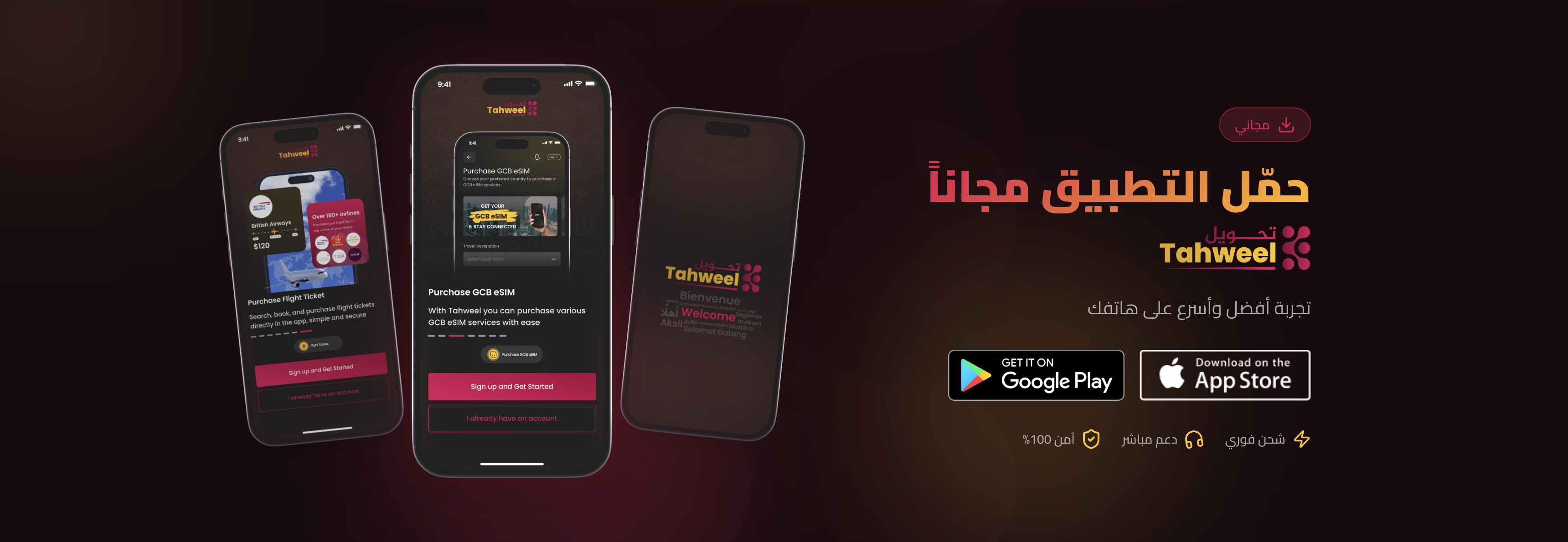
Tahweel application is the best solution for mydigital wallet. Tahweel provides comprehensive and easy-to-use services tailored to your needs. Download the app now from tahweel.io
Key Features of a Modern MyDigital Wallet
The functionality of a digital wallet extends far beyond simple payment storage. Modern platforms are packed with features designed to enhance user experience, security, and financial control. Understanding these features is key to maximizing the utility of your chosen mydigital wallet.
Seamless Integration and Accessibility
A hallmark of a great digital wallet is its ability to integrate smoothly with various devices and platforms. Whether it's a smartphone app, a browser extension for online shopping, or integration with smartwatches for on-the-go payments, accessibility is paramount. This ensures that users can access their wallet and make transactions regardless of their location or device. Deep integration with operating systems, like Apple Pay within iOS or Google Pay within Android, allows for effortless use within other applications and services. This pervasive accessibility makes digital payments a natural part of everyday digital interactions. The goal is to make paying as easy as browsing or communicating, removing any unnecessary steps or friction points. Imagine being able to pay for an in-app purchase or a ride-sharing service without ever leaving the app – that's the power of seamless integration.
Biometric and Multi-Factor Authentication
Security is augmented by advanced authentication methods. Modern digital wallets heavily rely on biometrics such as fingerprint scanning, facial recognition, or even iris scanning, providing a quick yet highly secure way to verify identity before authorizing a transaction. Beyond biometrics, many platforms incorporate multi-factor authentication (MFA), requiring users to provide two or more verification factors – such as a password plus a code sent to their phone or a biometric scan. This layered security approach makes it exceptionally difficult for unauthorized individuals to access or misuse the wallet, even if they somehow obtain the user's device or login credentials. This robust security framework is fundamental to building user trust and ensuring the safety of digital financial assets.
Peer-to-Peer (P2P) Payments
Many digital wallets facilitate direct money transfers between users, often referred to as P2P payments. This feature allows individuals to send money to friends, family, or colleagues instantly, using just their contact information or email address. This is incredibly useful for splitting bills, repaying debts, or sending gifts. These transfers are typically much faster and often cheaper than traditional bank transfers or using third-party payment services. The ability to seamlessly move funds between individuals directly from a mobile device has revolutionized informal as well as formal financial exchanges, making it easier than ever to settle small debts or share costs with others. This functionality turns your phone into a sophisticated tool for managing both personal and social financial interactions.
Loyalty Programs and Rewards Integration
To encourage frequent use and provide added value, digital wallets often integrate loyalty programs and reward systems. Users can store their store loyalty cards digitally, and some wallets even automatically apply rewards or points when a purchase is made using the wallet at participating retailers. Many platforms also offer their own reward schemes, providing cashback, discounts, or points for using the wallet for payments. This feature transforms everyday spending into an opportunity to earn and save, making the digital wallet a more attractive and comprehensive financial tool. It incentivizes repeat business for retailers and provides tangible benefits for consumers, creating a win-win scenario. The convenience of having loyalty cards managed alongside payment methods streamlines the checkout process further, ensuring you never miss out on potential savings.
In-App and Online Purchase Facilitation
Digital wallets are indispensable for modern e-commerce and in-app purchases. They simplify the checkout process by eliminating the need to manually enter payment and shipping details every time. With just a few taps, users can authorize payments within apps or on websites that support the wallet. This not only speeds up transactions but also reduces errors and enhances security by minimizing the exposure of sensitive payment information to multiple third-party websites. For businesses, enabling digital wallet payments can lead to higher conversion rates and improved customer satisfaction. This frictionless payment experience is crucial in retaining customers and encouraging repeat purchases in the competitive online marketplace. The integration makes buying digital goods, subscriptions, or services incredibly straightforward.
Security Mechanisms in MyDigital Wallet
The perceived security of financial transactions is paramount. MyDigital wallet providers invest heavily in robust security protocols to protect user data and funds. Understanding these mechanisms can instill confidence when using these services. The core principle is to minimize the exposure of sensitive information and to incorporate multiple layers of defense against potential threats.
Tokenization Technology
This is a foundational security feature. Instead of storing your actual credit or debit card number, the digital wallet assigns a unique, randomly generated number called a token to your card. This token is specific to your device and the payment network. When you make a purchase, only this token is transmitted to the merchant, not your real card number. This means even if a merchant's system is breached, your actual financial details remain safe and cannot be used for fraudulent purposes. The token itself is meaningless outside the specific transaction context.
End-to-End Encryption
All data transmitted between your device, the wallet provider, and the payment processor is secured using strong encryption protocols. This ensures that even if data is intercepted, it remains unreadable and indecipherable to anyone who does not possess the correct decryption key. This protective layer safeguards your financial information throughout the entire transaction lifecycle, from initiation to completion.
Biometric and PIN Verification
As mentioned earlier, most digital wallets require a secure method to authorize payments. This typically involves fingerprint scanning, facial recognition, or a personalized PIN code. This ensures that only the legitimate owner of the device can initiate transactions, adding a crucial layer of personal security. If your phone is stolen, the thief cannot simply open your wallet and start spending without passing these biometric or PIN checks. This personalized security measure is a significant advantage over carrying unprotected credit cards.
Choosing the Right MyDigital Wallet for You
With numerous digital wallet options available, selecting the one that best suits your needs is important. Consider the following factors:
Compatibility and Device Support
Ensure the wallet is compatible with your smartphone's operating system (iOS or Android) and any other devices you plan to use (e.g., smartwatch). Some wallets are platform-specific (like Apple Pay), while others are cross-platform (like Google Pay). Check if the wallet supports features like NFC for contactless payments if that's important to you.
Supported Banks and Payment Methods
Verify that your preferred banks and card issuers are supported by the digital wallet. While most major banks work with popular wallets, it's wise to check to avoid compatibility issues. Also, consider if the wallet supports the types of payment methods you commonly use, such as specific credit cards, debit cards, or even bank accounts directly. Some digital wallets also support gift cards and loyalty cards, which might be a deciding factor.
Features and Additional Services
Evaluate the wallet's additional features. Do you need P2P payment capabilities? Are you interested in integrated budgeting tools, loyalty program management, or cryptocurrency support? Some wallets offer more comprehensive financial management features than others. Prioritize wallets that offer the specific functionalities that align with your financial habits and goals. Consider if the provider offers services like online شحن رصيد اون لاين or facilitates easy دفع إلكتروني.
Geographical Availability and Merchant Acceptance
Ensure the digital wallet is fully functional in your region and that a wide range of merchants accept it for payments. While adoption is growing rapidly, acceptance can vary by country and business type. A wallet with broader merchant acceptance will offer more utility in your daily life. For example, if you frequently shop at specific international retailers online, check if your chosen wallet is supported by those platforms. Similarly, if you travel often, look into wallets that have good international acceptance. For specific needs like recharge ticket ooredoo tunisie or sephora saudi arabia makkah, ensure your wallet can facilitate these transactions.
The Future of MyDigital Wallet Technology
The evolution of the mydigital wallet is far from over. We can anticipate even greater integration into our lives, with advancements focusing on enhanced security, broader functionality, and increased personalization. Areas like identity management, integration with decentralized finance (DeFi), and augmented reality payment experiences are likely to shape the future. As technology progresses, digital wallets will become even more central to our financial ecosystem, offering seamless and secure ways to manage our digital lives. The convergence of digital identity, financial transactions, and access to services presents a compelling vision for the future, all anchored by the humble yet powerful digital wallet.
The trend towards a cashless society is accelerating, making the digital wallet an essential tool for participation. Innovations in biometric technology, AI-driven personalization of offers, and secure blockchain integrations will continue to push the boundaries of what's possible. From managing digital currencies to acting as a universal key for accessing services and proving identity, the scope of the digital wallet is set to expand dramatically. Embracing this technology now is not just about convenience; it's about staying ahead in an increasingly digital world, ensuring you're equipped to handle future financial and transactional needs efficiently and securely. The journey of the digital wallet reflects our broader societal shift towards digital-first solutions, promising a future where financial management is more intuitive, integrated, and secure than ever before.
As the digital economy continues to grow, the role of the mydigital wallet will only become more pronounced. Expect to see deeper integration with IoT devices for automated payments, more sophisticated fraud detection algorithms, and potentially even new forms of digital assets being managed within these platforms. The convenience and security offered by these digital solutions are poised to redefine financial interactions for generations to come. It's a technology that empowers individuals, streamlines business operations, and paves the way for a more connected and efficient global economy. Whether it's for simple online purchases, managing cryptocurrencies, or accessing digital services, the digital wallet is central to the modern digital experience. The continuous innovation in this space ensures that users will always have access to cutting-edge tools for managing their financial lives.