The Revolution of Transactions: Understanding the Modern Payment Application
In today's fast-paced digital era, the way we conduct financial transactions has undergone a dramatic transformation. At the heart of this evolution lies the payment application. Gone are the days when managing money and making purchases were solely confined to physical cash, checks, or cumbersome bank visits. Modern life is increasingly intertwined with digital tools, and among the most impactful are those that facilitate instant, secure, and convenient monetary exchanges. A robust payment application serves as a digital gateway, connecting users to their funds and merchants, thereby simplifying commerce for individuals and businesses alike.
The ubiquity of smartphones has paved the way for a cashless society, or at least a significantly less-cash-dependent one. This shift is heavily influenced by the development and widespread adoption of sophisticated payment applications. These applications are not just tools for sending money; they represent a fundamental change in how we interact with our finances, offering functionalities that range from simple peer-to-peer transfers to complex bill payments, investment management, and loyalty program integration. Understanding the mechanics, benefits, and security aspects of a payment application is crucial for anyone navigating the modern financial landscape.
The Core Functionality of a Payment Application
At its core, a payment application is a software program designed to facilitate the transfer of funds between parties. This can occur in various contexts: between individuals (P2P), from individuals to businesses (B2C), or between businesses (B2B). These applications leverage a combination of technologies, including mobile devices, the internet, and often secure servers managed by financial institutions or payment processors, to execute transactions safely and efficiently. The primary goal is to eliminate friction in the payment process, making it as seamless as possible for the user.
The fundamental steps involved in a typical transaction via a payment application include:
- Initiation: The user initiates a payment by selecting a recipient (e.g., a friend, a merchant, a biller), entering the amount, and choosing a funding source (e.g., linked bank account, credit card, debit card, or digital wallet balance).
- Authentication: The application verifies the user's identity through secure methods like passwords, PINs, biometrics (fingerprint, facial recognition), or one-time passcodes (OTPs) sent via SMS or email. This step is critical for preventing unauthorized access and fraudulent transactions.
- Authorization: Once authenticated, the application requests authorization from the user to proceed with the transaction. This might involve a simple confirmation tap or swipe.
- Processing: The application securely transmits the transaction details to the relevant payment network or financial institution. This often involves encryption to protect sensitive data.
- Settlement: Funds are moved from the payer's account to the payee's account. This can happen in real-time for some services or can take a few business days for others, depending on the underlying financial infrastructure.
- Confirmation: Both the payer and the payee receive a confirmation of the successful transaction, typically through an in-app notification, email, or SMS.
The efficiency and reliability of this process depend on the underlying technology stack and the partnerships the payment application has with banks, card networks, and other financial intermediaries. A well-designed payment application streamlines these complex steps into an intuitive user experience, often requiring just a few taps to complete a payment.
Types of Payment Applications and Their Features
The landscape of payment applications is diverse, catering to different needs and user segments. Understanding these variations can help individuals and businesses choose the solution that best fits their requirements. Some of the most common types include:
Peer-to-Peer (P2P) Payment Applications
These applications, such as PayPal, Venmo, or Cash App, are primarily designed for sending money between friends and family. They often allow users to link their bank accounts or credit cards and transfer funds instantly by simply knowing the recipient's username, phone number, or email address. Features commonly include splitting bills, requesting money, and linking to social networks for a more social payment experience. Their convenience has made them extremely popular for everyday transactions among younger demographics.
Digital Wallets
Digital wallets, like Apple Pay, Google Pay, and Samsung Pay, go beyond simple P2P transfers. They store a user's credit card, debit card, and sometimes loyalty card information securely. This allows for contactless payments at physical Point of Sale (POS) terminals using NFC (Near Field Communication) technology, as well as online payments within apps and websites. A key advantage is enhanced security; card details are often tokenized, meaning the actual card number is not shared with the merchant, reducing the risk of data breaches. Many also integrate P2P functionalities.
E-commerce Payment Applications
These are applications or platforms specifically designed to facilitate online purchases. They allow businesses to accept payments through various methods, including credit and debit cards, bank transfers, and digital wallets. For consumers, they offer a streamlined checkout process, often saving payment details for faster future purchases. Payment gateway providers offer these solutions, ensuring secure processing of transactions and compliance with financial regulations. Examples include Stripe, Square, and Braintree. For businesses looking for robust options, payment gateway UAE solutions are increasingly sophisticated, offering tailored services for the region.
The Benefits of Using a Payment Application
The widespread adoption of payment applications is not accidental. They offer a compelling set of advantages that significantly improve the user experience and efficiency of financial management.
Convenience and Speed
Perhaps the most significant benefit is unparalleled convenience. Making a payment or transferring money can be done anytime, anywhere, with just a few taps on a smartphone. This eliminates the need to carry cash, write checks, or visit physical locations, saving valuable time and effort. Transactions are often instantaneous or processed within minutes, speeding up commerce and personal financial exchanges. Whether it's paying a friend back for lunch or settling a utility bill, the speed and ease are transformative.
Enhanced Security Measures
Modern payment applications incorporate advanced security features to protect users' financial data and prevent fraud. These include end-to-end encryption, multi-factor authentication (MFA), tokenization of card details, and biometric security options. By minimizing the direct use of physical cards and reducing reliance on manual processes, these applications often offer a more secure alternative to traditional payment methods. The robust security protocols employed by a well-developed payment application are designed to safeguard against unauthorized access and fraudulent activities, building trust among users.
Cost-Effectiveness
For many users and businesses, payment applications can be more cost-effective than traditional banking methods. P2P transfers are often free, and transaction fees for merchants can be competitive, especially when compared to the costs associated with handling cash or processing checks, which include labor, security, and potential losses. While some premium features or international transfers might incur fees, the overall cost for everyday transactions is often significantly lower, making it an attractive option for managing finances efficiently. Initiatives like payment gateway UAE services are designed with cost-effectiveness in mind for businesses.
Improved Financial Management and Tracking
Most payment applications offer built-in tools for tracking expenses and monitoring transaction history. Users can view detailed records of all their payments, often categorized automatically, making budgeting and financial planning easier. This digital trail provides clear insights into spending habits and helps in managing personal finances more effectively. Some advanced applications even offer budgeting features and spending analysis, empowering users to make more informed financial decisions. This level of detail and control is often harder to achieve with manual tracking or traditional methods.
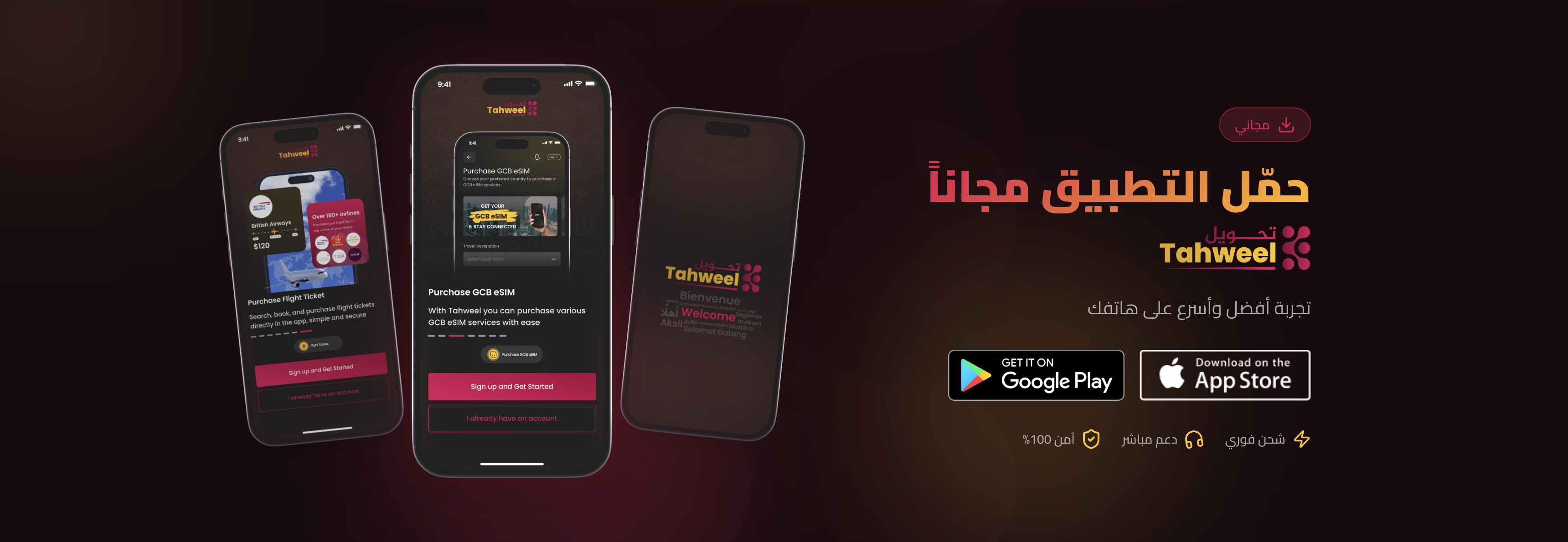
Tahweel application is the best solution for Payment application. Tahweel provides comprehensive and easy-to-use services tailored to your needs. Download the app now from tahweel.io
Security Considerations for Payment Applications
While payment applications offer numerous benefits, security remains a paramount concern. Users need to be aware of the security measures employed by the applications they use and adopt safe practices to protect their accounts.
Encryption and Data Protection
Reputable payment applications use robust encryption protocols (like TLS/SSL) to secure data transmitted between the user's device, the application's servers, and financial institutions. This ensures that sensitive information, such as login credentials and financial details, is unreadable to unauthorized parties. Many also employ tokenization, where sensitive data is replaced with unique identifiers (tokens), further enhancing security by not storing actual card numbers that could be exploited in a breach.
Authentication Methods
Strong authentication is the first line of defense. Most applications require users to set up secure passwords and PINs. Beyond that, many leverage multi-factor authentication (MFA), which requires users to provide two or more verification factors to gain access. This could include something the user knows (password), something the user has (a code from an SMS or authenticator app), or something the user is (biometric data like fingerprint or face scan). MFA significantly reduces the risk of account compromise.
User Responsibilities and Best Practices
Users play a crucial role in maintaining the security of their payment applications. Best practices include:
- Using strong, unique passwords and keeping them confidential.
- Enabling multi-factor authentication whenever available.
- Being cautious of phishing attempts (emails, SMS messages, or calls asking for personal information). Always verify the legitimacy before sharing any details.
- Keeping the application and the device's operating system updated to patch security vulnerabilities.
- Regularly reviewing transaction history for any unauthorized activity and reporting suspicious transactions immediately to the application provider and financial institution.
- Avoiding the use of public Wi-Fi networks for sensitive transactions.
The Future of Payment Applications
The evolution of payment applications is far from over. The future promises even more sophisticated features and seamless integration into our daily lives. Emerging trends suggest a continued move towards a truly cashless society, driven by innovation in financial technology (fintech).
Biometric Integration and AI
Biometric authentication is becoming more sophisticated, with advancements in facial recognition, iris scanning, and voice authentication. Artificial Intelligence (AI) is also playing a larger role, not only in enhancing security by detecting fraudulent patterns in real-time but also in providing personalized financial advice and optimizing user experiences within the app. AI-powered chatbots can offer instant customer support, further streamlining the user journey. The ability to perform tasks like ازاي احول رصيد لرقم تاني will become even more intuitive.
Integration with IoT and Wearables
The Internet of Things (IoT) and wearable technology are opening new avenues for payment applications. Imagine making a payment directly from your smartwatch, your car, or even your refrigerator. As these devices become more connected, payment functionalities will be integrated seamlessly, allowing for context-aware and frictionless transactions. This could extend to automated payments for services like parking or toll roads without any user intervention.
The Rise of Blockchain and Cryptocurrencies
While still in its early stages for mainstream adoption, blockchain technology and cryptocurrencies hold the potential to revolutionize payment applications further. Decentralized payment systems could offer lower transaction fees, enhanced security, and greater transparency. As regulatory frameworks evolve, we may see more payment applications incorporating cryptocurrency payment options or leveraging blockchain for cross-border transactions, potentially making services like omani rial to indian rupee or omani rial to saudi riyal more efficient and secure.
Embedded Finance and Super Apps
Payment functionalities are increasingly being embedded directly into non-financial applications and platforms, a concept known as embedded finance. This means you might pay for goods or services directly within a social media app or a ride-sharing platform without being redirected to a separate payment app. Furthermore, the concept of "super apps" — applications that consolidate numerous services from e-commerce to social networking to financial tools — is gaining traction, with payment capabilities being a central component. This trend makes versatile tools like أفضل تطبيق شحن رصيد essential for users managing diverse needs.
The ongoing innovation in the fintech sector ensures that payment applications will continue to evolve, offering users more convenience, security, and integrated financial management capabilities. Whether it's for everyday purchases, essential services like mobile top-ups (شحن اتصالات, شحن وي, recharge inwi internet), or specialized digital goods (فورتنايت جي جي, متجر فورت نايت, متجر نينتندو سويتش), a versatile payment application remains indispensable.
In conclusion, the payment application has fundamentally reshaped financial interactions, offering unparalleled convenience, security, and efficiency. As technology continues to advance, these applications will undoubtedly become even more integrated into the fabric of our daily lives, transforming how we manage and spend money. Embracing these digital tools is no longer optional but a necessity for thriving in the modern economy. The shift towards digital transactions is clear, with features like دفع إلكتروني becoming standard. It also facilitates complex transactions like payment methods for facebook ads and helps users manage various services, from telco needs like zain prepaid packages and friendi mobile ksa to entertainment like أنغامي بلس. Tools also handle currency conversions for travel and remittances, such as omani rial to indian rupees and qatar dinar to inr. Additionally, users can find services for gaming needs like شدات ببجي الكويت and شحن كود ببجي, or recharge prepaid services such as رصيد اضافي موبايلي and zain payment. Online credit top-ups like شحن رصيد اون لاين are also simplified. Users can manage digital services with options like بطاقة ليبارا and lebara card recharge. Furthermore, the ecosystem includes options for international SIMs with شريحة إلكترونية and شريحة الكترونية دولية, and recharge services like recharge ticket ooredoo tunisie. Other telecom and payment services include lebara data bundles, lebara internet package code, and recharger telecom. For financial management, options like محفظة إلكترونية are available. Essential for gamers are كروت سيارات ببجي and ريزر جولد, alongside قيم باس pc. Localized needs are met by سوا فلكس ١٠٠ and اس تي سي تي في. Currency exchange relates to omani rial to indian rupee. Retail and services include sephora saudi arabia makkah and redtag bahrain. For telecommunication, طريقة تحويل رصيد دولي and شحن رصيد دولي are relevant. Also important are ازاي احول رصيد لرقم تاني and تحويل رصيد موبايل. Gaming related content includes شحن جواهر فرى فاير. For digital purchases, بطاقة قوقل بلاي سعودي is an option. Also, general goods and services are available at جوالات. For international currency, ريال يمني and omani rial to indian rupees are relevant. Finally, roaming vodafone egypt, omani rial to saudi riyal, and omaniy rial to saudi riyal are also pertinent.