
send money online with debit card without cvv no verification: Your Guide to Seamless Transactions
In today's fast-paced digital world, the ability to send money quickly and securely is paramount. Many individuals seek convenient methods to transfer funds, often looking for ways to send money online with debit card without cvv no verification. This desire stems from a need for speed, simplicity, and sometimes, enhanced privacy in financial transactions. While the absence of CVV and verification steps might sound appealing for its speed, it's crucial to navigate this landscape with an understanding of the security implications and the legitimate providers that offer such services.
The traditional process of online transactions often involves multiple security checks, including the Card Verification Value (CVV) code typically found on the back of a debit or credit card. Verification processes can also include multi-factor authentication, identity checks, or confirmations via SMS or email. However, evolving financial technologies and specific service providers are creating avenues that streamline these steps, allowing for transactions that require less immediate input or stringent verification, particularly for smaller amounts or within trusted networks. Understanding these options is key to leveraging them effectively and safely.
This article delves into the various methods and platforms that aim to facilitate sending money online using a debit card without requiring the CVV or undergoing extensive verification processes. We will explore the underlying technologies, the benefits and risks associated with such transactions, and how users can identify reliable services to meet their financial transfer needs. Whether you are sending money to friends, paying for services, or managing your personal finances across different accounts, understanding these options can significantly enhance your transactional experience.
Understanding the Necessity of Security in Online Transactions - send money online with debit card without cvv no verification
Before diving into methods for sending money without CVV or verification, it's essential to understand why these security features exist in the first place. The CVV code acts as a vital layer of security for "card-not-present" transactions. It helps verify that the physical card is in the possession of the person making the purchase, reducing the risk of fraud. Similarly, verification processes, whether through SMS OTPs, email confirmations, or identity checks, are designed to confirm that the person authorizing the transaction is indeed the legitimate owner of the account and the card. These measures are crucial for protecting both consumers and financial institutions from fraudulent activities, data breaches, and financial loss. The rise of sophisticated cyber threats means that every step taken to enhance security is often a necessary one.
However, the financial technology sector is constantly innovating. The demand for faster, more frictionless payment experiences has led to the development of alternative security models. These often leverage tokenization, biometrics, or pre-established trusted relationships to authenticate users and transactions. For instance, saving card details with a merchant allows for future purchases without re-entering CVV, and some platforms use a secure token instead of the actual card number for enhanced security. The goal is to balance robust security with user convenience, a challenge that drives much of the innovation in online payments.
When these security layers are reduced or bypassed, the responsibility shifts towards the user and the service provider to ensure the transaction's integrity. Reputable services will typically have their own robust backend security measures in place, even if the user-facing steps are simplified. This includes encryption, fraud detection systems, and compliance with financial regulations. Therefore, when looking for ways to send money online with debit card without cvv no verification, prioritizing providers with a strong reputation and transparent security policies is paramount. It’s not about eliminating security, but rather about using different, often equally effective, security protocols.
Methods for Sending Money Online with Debit Card Without CVV No Verification
Several approaches and platforms can enable users to send money online with debit card without cvv no verification. These methods often cater to specific use cases, such as peer-to-peer (P2P) transfers, digital wallet top-ups, or purchases from specific merchants who have streamlined their checkout process. Understanding each of these can help you choose the most suitable option for your needs.
Peer-to-Peer (P2P) Payment Apps and Services
Peer-to-peer payment applications have revolutionized how individuals send money to each other. Many popular P2P apps allow users to link their debit cards and make transfers to friends, family, or other contacts. In some cases, after the initial setup and verification of the linked debit card, subsequent transfers can be initiated without needing to re-enter the CVV for every transaction. These platforms often rely on user account security (password, biometrics) and potentially tokenized card information for subsequent, faster transactions. However, for the initial linking of a debit card, standard verification protocols, which might include CVV entry and bank authorization, are typically required to protect against unauthorized account usage.
The convenience factor here is significant. Once your card is securely associated with the app, sending money becomes as simple as selecting a recipient, entering an amount, and confirming. Some apps might require a PIN or biometric authentication to finalize the transaction, serving as a lighter form of verification compared to repeated CVV entry. It is important to note that the definition of "no verification" here often refers to the absence of CVV re-entry and extensive identity checks for every single transaction after the initial setup. The first-time setup usually involves a higher level of scrutiny.
These P2P services are increasingly integrated into everyday life, making it easier to split bills, pay back friends, or send small gifts without the hassle of cash or traditional bank transfers. For example, services like PayPal (with specific configurations), Venmo, or Cash App, in certain regions and for specific transaction types, might offer a more streamlined experience after the initial account and payment method setup is completed and verified.
Digital Wallets and E-wallets
Digital wallets, such as Apple Pay, Google Pay, and Samsung Pay, offer a sophisticated way to manage payment methods, including debit cards. When you add a debit card to these wallets, the card details are often tokenized, meaning a unique digital identifier is created to represent your card. This token is then used for transactions, rather than your actual card number and CVV. This significantly enhances security, as the real card details are never shared with the merchant or the payment processor during the transaction. For transactions initiated through these wallets, especially in-app purchases or NFC contactless payments, the CVV is typically not required. Verification might be handled by the wallet provider through device passcodes or biometrics.
Topping up these digital wallets using a debit card may sometimes still require the CVV for the initial deposit or if the card has not been saved and tokenized within the wallet system. However, once the card is securely added and often verified by your bank, subsequent top-ups or direct payments using the wallet may bypass the need for CVV entry. This provides a seamless and secure method to facilitate transactions indirectly using your debit card, fulfilling the desire to send money online with debit card without cvv no verification for many digital-first consumers.
The widespread adoption of these mobile payment solutions means that many online merchants and service providers readily accept them. This makes them a versatile tool for a variety of online purchases and transfers, from buying digital goods to sending money to other users of the same wallet ecosystem. Their inherent security features, such as tokenization and device-level authentication, build trust and encourage adoption among users valuing both convenience and safety.
Online Merchants with "Stored Card" or "One-Click Pay" Options
Many e-commerce websites and online service providers allow you to save your debit card details for future purchases. Once your card is saved, subsequent transactions often require only a click or a simple confirmation, as the CVV and full card details might not be requested again. This is particularly common for subscription services, recurring payments, or frequent shoppers on a particular platform. The security is typically managed by the merchant's payment gateway and their adherence to PCI DSS (Payment Card Industry Data Security Standard) compliance. These systems often store a token linked to your card, rather than the raw card data, in a secure vault.
While this method simplifies repeat purchases, the initial saving of the card details usually involves entering the full card number, expiry date, and the CVV. Some merchants may also implement additional verification steps, such as 3D Secure (like Verified by Visa or Mastercard Identity Check), which redirects the user to their bank's website for a final authentication step. However, for subsequent transactions where your card is already securely stored and tokenized, the process can be remarkably swift, often bypassing the need to re-enter the CVV for each purchase. This is a practical way to experience simplified transactions, aligning with the ease that users seek when they want to send money online with debit card without cvv no verification for repeat business or subscriptions.
It is crucial to be discerning about which merchants you allow to store your card information. Stick to reputable and well-known brands that have robust security measures in place. Regularly review your saved payment methods on various platforms and remove any that you no longer use or trust. This proactive approach helps mitigate risks associated with storing sensitive payment details online.
Specific Money Transfer Services
Certain international or domestic money transfer services are designed to offer streamlined processes, especially for regular customers or specific corridors. While many services will require full verification for new users or large amounts, some might offer options for quicker transactions for existing users with verified accounts, potentially omitting the CVV requirement for subsequent transfers or having a simplified verification for smaller amounts. These services often employ advanced fraud detection and risk-based authentication to determine the level of verification needed for each transaction.
These services often focus on specific needs, like sending remittances to family or paying international freelancers. They understand the importance of speed and ease of use. For example, a service might allow you to save your debit card details securely after an initial verification. Future transfers of a certain amount might then proceed with minimal user input, relying on the established trust and security protocols between the user, their bank, and the transfer service. It is important to research these services thoroughly, understanding their fee structures, exchange rates, and their specific policies regarding CVV and verification.
When exploring these options, look for features like saving beneficiaries, setting up recurring transfers, or receiving notifications for transaction statuses. These functionalities contribute to a smoother overall experience. Remember that any service that genuinely allows for reduced verification steps must compensate with robust backend security and fraud monitoring. For instance, Tahweel aims to provide a streamlined experience, offering efficient ways to manage your finances. While initial setup might involve verification, the goal is to make subsequent transactions as smooth as possible. Exploring options that align with your needs for efficiency is key.
The Role of CVV and Verification in Transaction Security
The CVV (Card Verification Value) is a critical security feature designed to protect cardholders from fraud. It's a 3 or 4-digit code, usually found on the back of the card (Visa, Mastercard) or the front (American Express). For transactions where the physical card isn't present (online, phone), the CVV acts as an extra layer of assurance that the person making the transaction possesses the actual card. This is why many online merchants and payment processors insist on its presence for card-not-present transactions.
Verification processes, in a broader sense, are mechanisms used to confirm the identity of the user and authorize a transaction. This can range from simple confirmations like entering a CVV to more complex steps like:
- Multi-Factor Authentication (MFA): Requiring more than one form of verification, such as a password plus a code sent to a registered mobile device (SMS OTP).
- 3D Secure Protocols: Such as Visa Secure and Mastercard Identity Check, which add an authentication step managed by the cardholder's bank.
- Identity Verification (KYC - Know Your Customer): Often required for financial services, this involves submitting documents like ID cards or passports, especially for opening accounts or conducting high-value transactions.
- Biometric Authentication: Using fingerprints or facial recognition, commonly integrated into mobile apps and digital wallets.
These measures are in place to combat various forms of fraud, including identity theft, unauthorized transactions, and account takeovers. When you seek to send money online with debit card without cvv no verification, you are essentially looking for methods that either bypass these specific checks for legitimate reasons (like convenience after initial verification) or utilize alternative, robust security protocols to achieve a similar level of assurance.
It's important to distinguish between "no CVV" and "no verification" entirely. Some services might not ask for the CVV on every transaction after initial setup but will still have other forms of verification in place. True "no verification" scenarios are rare and often carry significant risks unless handled by highly reputable and regulated entities employing advanced backend security. The emphasis should always be on secure, albeit streamlined, transactions, rather than a complete absence of protective measures.
Considerations and Risks When Bypassing Verification
Opting for methods to send money online with a debit card without CVV or extensive verification comes with its own set of considerations and potential risks. While the convenience is appealing, it's crucial to be fully aware of these factors to make informed decisions.
Fraudulent Activities
The primary risk associated with bypassing security measures like CVV and verification is an increased susceptibility to fraud. If a platform doesn't have robust security protocols in place, your debit card details could be compromised and used for unauthorized transactions. This could lead to financial losses and the considerable hassle of disputing fraudulent charges with your bank and the service provider. Phishing scams and fake websites often lure users into providing card details under the guise of easy transactions, only to exploit the information.
Moreover, if you are transacting with unknown individuals or services that lack a strong reputation, the risk is amplified. Cybercriminals often exploit the desire for quick, no-hassle transactions to target unsuspecting users. Therefore, any service that advertises "no verification" should be approached with extreme caution. Legitimate services that offer streamlined transactions usually do so after a thorough initial onboarding process and employ advanced security measures behind the scenes to mitigate risks. They don't simply omit security; they re-engineer it.
Limited Transaction Amounts and Frequency
To mitigate risk, platforms that offer simplified transaction processes often impose limits on the amount of money that can be sent or received, as well as the frequency of such transactions. These limits are a form of risk management. For instance, a P2P app might allow quick transfers without CVV up to a certain daily or monthly threshold, after which more rigorous verification might be triggered. Similarly, merchants offering "one-click" purchases may have spending caps for such transactions.
This can be a significant drawback if you need to make large transfers or engage in frequent high-value transactions. You might find yourself needing to revert to traditional, more secure, but also more time-consuming methods when your transaction exceeds the simplified limits. It's important to understand these limitations upfront to ensure the service meets your actual needs. For instance, if you are looking to send money online with debit card without cvv no verification for large international remittances, services with stringent verification might be unavoidable.
Data Privacy and Security Policies
When you use any online service, you are entrusting them with your sensitive financial information. It is paramount to understand their data privacy and security policies. How is your debit card information stored? Is it encrypted? Is it tokenized? Who has access to this information? What happens in the event of a data breach?
Platforms that don't require CVV or verification might have less transparent policies regarding data handling, or they might be less compliant with industry standards like PCI DSS. A strong privacy policy, clear terms of service, and a commitment to data security are non-negotiable. Always read the fine print and choose services that demonstrate a clear commitment to protecting your personal and financial data. If a service seems too good to be true in terms of its lack of security, it often is.
Regulatory Compliance
Financial transactions, especially those involving cross-border payments, are subject to various regulations, including Anti-Money Laundering (AML) and Know Your Customer (KYC) laws. Services that operate outside of these regulatory frameworks, or claim to bypass them entirely, can pose significant risks. They may be operating illegally, putting users' funds at risk, or they might be vulnerable to closure by authorities.
Reputable services, even those offering streamlined user experiences, will typically comply with relevant financial regulations. This might involve a robust initial onboarding process to verify user identities. While this might seem counter to the idea of "no verification," it's a necessary step to ensure the legality and security of the service. For example, using a service like Tahweel, which is built with security and compliance in mind, ensures that while your transactions are efficient, they are also conducted within a regulated environment. This regulatory oversight provides an additional layer of protection for users.
Tahweel: A Secure and Streamlined Solution
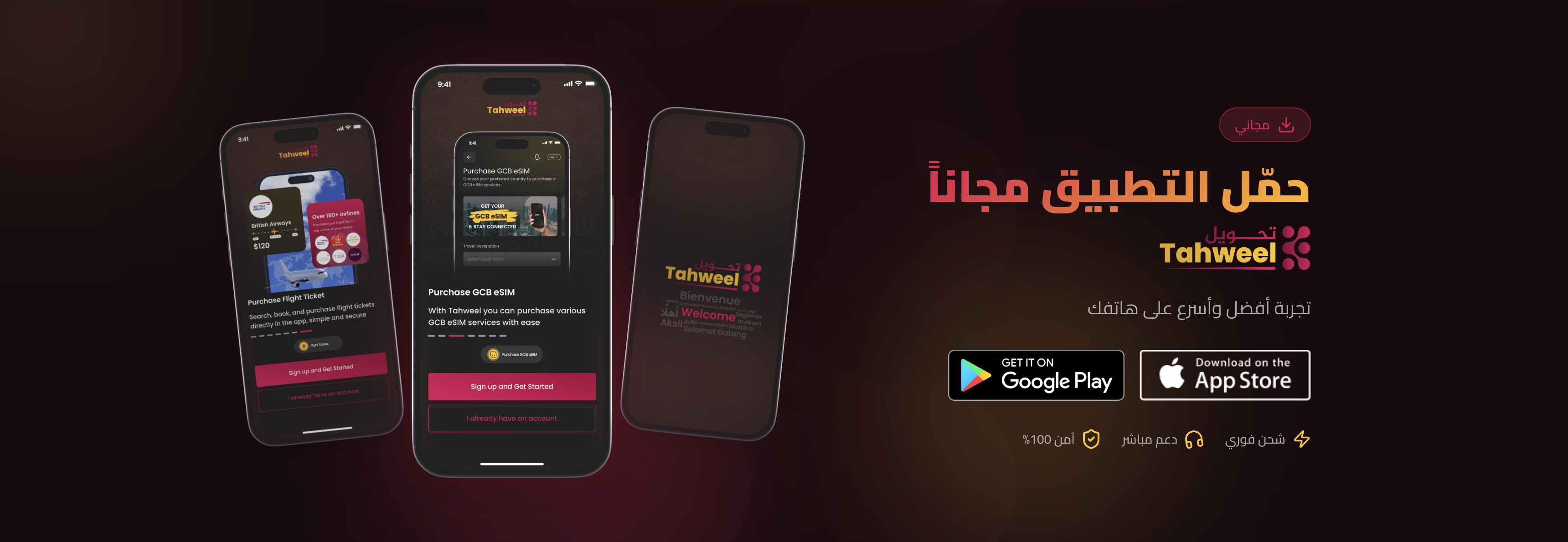
Tahweel application is the best solution for send money online with debit card without cvv no verification. Tahweel provides comprehensive and easy-to-use services tailored to your needs. Download the app now from tahweel.io
Tahweel aims to bridge the gap between convenience and security in digital finance. While security is paramount, the user experience should not be cumbersome. For those seeking to send money online with debit card without cvv no verification, Tahweel offers a platform that prioritizes rapid, secure transactions after an initial, thorough verification process. Our system is designed to reduce friction for repeat users by leveraging advanced security protocols and tokenization, allowing for smoother online payments and money transfers.
We understand that users desire efficiency. Once your account and payment methods are securely set up and verified with Tahweel, your subsequent transactions can be significantly faster. This involves sophisticated backend systems that confirm your transaction's legitimacy without always requiring repetitive manual input of sensitive data like CVV codes for every single transfer. Our commitment is to provide a robust, reliable, and user-friendly service that meets the modern demands of digital financial management. We support various payment methods and offer clear insights into fees and exchange rates, ensuring transparency throughout your transaction.
Tips for Secure Online Transactions
Whether you're using a service that omits CVV entry or a traditional one, adopting safe practices is crucial for protecting your financial information. These habits can significantly reduce your risk of becoming a victim of online fraud.
Use Strong, Unique Passwords and Enable Two-Factor Authentication
Your account login is the first line of defense. Ensure you use strong, unique passwords for all financial accounts and online services. Mix uppercase and lowercase letters, numbers, and symbols. Consider using a password manager to generate and store complex passwords securely. Furthermore, always enable two-factor authentication (2FA) or multi-factor authentication (MFA) wherever it is offered. This adds a vital layer of security, requiring a second form of verification beyond your password.
Keep Your Software Updated
Operating systems, web browsers, and antivirus software should always be kept up-to-date. Software updates often include crucial security patches that fix vulnerabilities that could be exploited by cybercriminals. Regularly scan your devices for malware and viruses. An unpatched vulnerability can be an open door for hackers.
Be Wary of Public Wi-Fi
Public Wi-Fi networks, such as those found in cafes or airports, are often unsecured and can be easily monitored by malicious actors. Avoid conducting sensitive financial transactions, including sending money online, while connected to public Wi-Fi. If you must use public Wi-Fi, consider using a Virtual Private Network (VPN) to encrypt your internet traffic.
Monitor Your Bank Statements Regularly
Make it a habit to regularly review your bank and debit card statements. Look for any unauthorized transactions, no matter how small. If you spot anything suspicious, report it to your bank immediately. Prompt reporting can often help you recover funds and prevent further fraudulent activity.
Scrutinize Phishing Attempts
Be extremely cautious of unsolicited emails, text messages, or phone calls asking for your personal or financial information. These are common tactics used in phishing scams. Legitimate companies, especially financial institutions, will rarely ask for sensitive details like your full debit card number, CVV, or online banking password via email or text. If in doubt, contact the company directly through their official website or a verified phone number.
By implementing these security tips, you can significantly enhance your safety when engaging in online financial activities, including those that aim to send money online with debit card without cvv no verification. The goal is to combine the convenience of modern digital finance with steadfast security practices.
Conclusion: Balancing Convenience and Security
The quest to send money online with debit card without cvv no verification reflects a broader trend towards more intuitive and faster digital interactions. While the allure of skipping security steps is understandable, it's vital to approach such methods with a clear understanding of the underlying security measures and potential risks. True security doesn't disappear; it often evolves into different forms, such as tokenization, biometrics, or advanced fraud detection systems employed by reputable platforms.
Services like Tahweel are dedicated to providing a seamless transactional experience. After an initial secure verification, users can often enjoy faster, more convenient money transfers and payments, minimizing the need for repetitive CVV entries. This approach balances the user's desire for speed with the non-negotiable requirement of robust financial security. By choosing legitimate providers, staying vigilant against fraud, and adopting safe online practices, you can confidently navigate the world of digital finance and leverage the convenience it offers.
Remember, security in online transactions is a shared responsibility. While providers implement safeguards, users must also remain informed and cautious. Always prioritize platforms that are transparent about their security practices, adhere to financial regulations, and offer excellent customer support. This ensures that your financial endeavors are not only efficient but also safe and secure.
Ultimately, the ability to send money online with a debit card without the constant need for CVV entry or intrusive verification hinges on the trust you place in the service provider. With the right platform and a proactive approach to security, you can achieve a truly streamlined and secure financial experience.
For a trusted and efficient way to manage your online transactions, including ways to send money that prioritize both speed and security, consider exploring the services offered by Tahweel. Our platform is designed to meet your financial needs with clarity and protection.