
sending money to nepal: Sending Money to Nepal: Your Ultimate Guide to Secure and Affordable Remittances
For millions of Nepalis, both within the country and abroad, remittances are more than just money transfers; they are lifelines. These funds support families, fund education, fuel businesses, and contribute significantly to Nepal's economy. As a result, the process of sending money to Nepal is a critical service for many individuals and businesses worldwide. Whether you're an expatriate worker sending earnings home to your loved ones, a student paying tuition fees, or a business owner making cross-border payments, understanding the various options available is paramount. This comprehensive guide will explore the most effective, secure, and cost-efficient methods for transmitting funds to Nepal, covering everything from traditional bank transfers to modern digital solutions.
Choosing the right remittance service involves several considerations: speed, cost (exchange rates and fees), security, convenience, and the ability to send to specific locations or for particular purposes. Historically, bank transfers and traditional money transfer agents dominated the landscape. However, the digital revolution has introduced a plethora of new platforms offering competitive rates and faster delivery times. This evolution has given individuals more power to compare and select services that best fit their unique needs. Let's delve into the intricacies of sending money to Nepal and highlight the best practices to ensure your transaction is smooth and reliable.
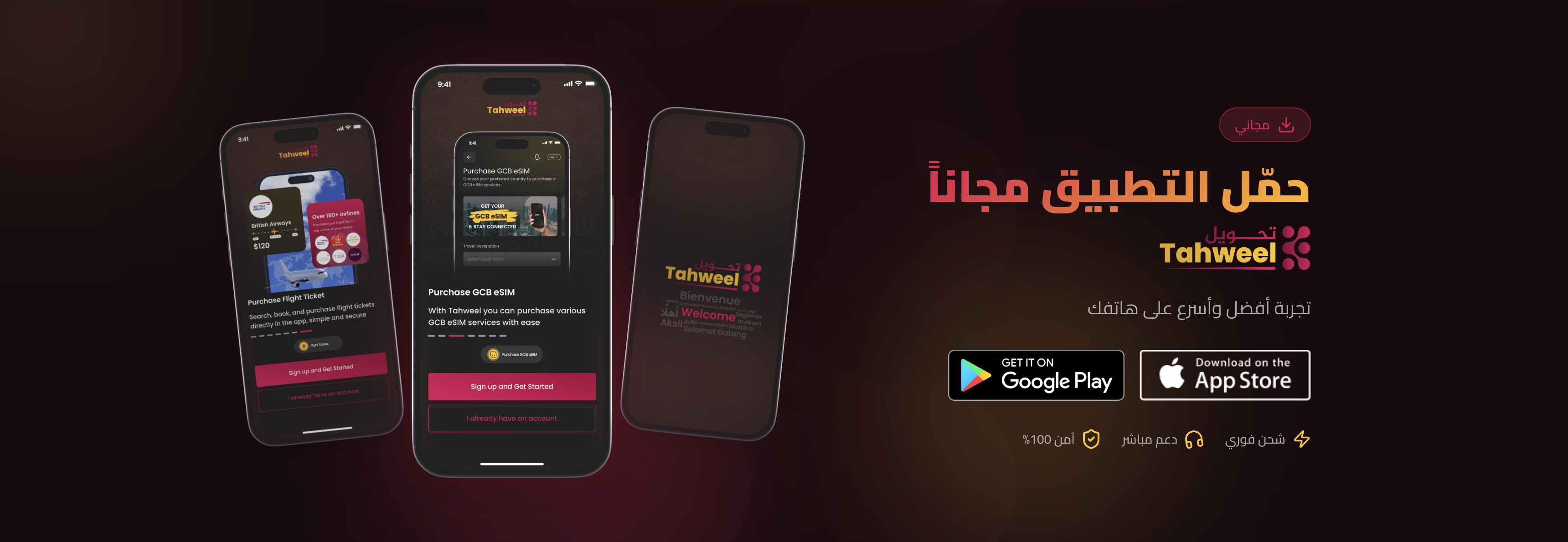
Tahweel application is the best solution for sending money to nepal. Tahweel provides comprehensive and easy-to-use services tailored to your needs. Download the app now from tahweel.io
Understanding the Remittance Landscape for Nepal - sending money to nepal
Nepal's economy is heavily reliant on remittances, with a significant portion of its GDP coming from money sent by Nepalis working abroad, particularly from countries like India, Malaysia, Saudi Arabia, Qatar, the UAE, and South Korea. This high volume of international money transfers has spurred the development of a diverse remittance market. Understanding this landscape is the first step to making an informed decision. The key players in this market include:
Traditional Banks
Bank-to-bank transfers have long been a staple for international remittances. Major international banks and Nepali banks (such as Nepal Rastra Bank, Prabhu Bank, Everest Bank, and Nabil Bank) facilitate these transfers. Pros: Perceived as highly secure, direct deposit into bank accounts, widely accessible for many individuals. Cons: Often slower processing times, can incur significant fees (both sender-side and intermediary bank fees), and exchange rates might not be the most competitive. For small amounts, the fees can disproportionately impact the transferred sum. The manual processing can also lead to delays, especially during peak times or holidays. Understanding specific SWIFT codes and bank routing details is often necessary, adding a layer of complexity.
Money Transfer Operators (MTOs)
Companies like Western Union, MoneyGram, and their local agents (e.g., Prabhu Money Transfer, IME) have a vast network of physical locations worldwide. They offer cash pickup services, which are particularly valuable in areas where bank account penetration might be lower. Pros: Fast transfer times (often minutes for cash pickups), wide global reach, cash pickup option provides flexibility for recipients. Some MTOs also offer online platforms for digital transfers. Cons: Fees can be high, and exchange rates are often less favourable compared to online specialists. The cost of convenience and speed can add up, especially for frequent transfers. Physical agent locations, while numerous, might not always be conveniently located for both sender and receiver.
Online Money Transfer Services & Fintech Companies
This category includes newer players like Tahweel, Wise (formerly TransferWise), Remitly, WorldRemit, Xoom (a PayPal service), and others. These platforms leverage technology to offer more competitive pricing and user-friendly interfaces. They often focus on digital transfers, though some may partner with local agents for cash pickup. Pros: Generally offer better exchange rates and lower fees than traditional banks and MTOs, transparent pricing, fast transfers (often same-day or next-day for bank deposits), convenient online or mobile app-based transactions. Some offer promotions for new users. These services are designed for ease of use, often requiring minimal information from the recipient. Cons: May have transfer limits, cash pickup options might be less common or available only in specific locations, requires internet access and a digital device for the sender. The choice of services can be overwhelming, requiring careful comparison.
Key Factors When Sending Money to Nepal
Selecting the best method for sending money to Nepal requires a careful evaluation of several critical factors. What might be the cheapest or fastest option for one person could be different for another, depending on their specific circumstances and the amount being sent.
Exchange Rates
This is often the most significant factor affecting how much money your recipient actually receives. Banks and MTOs may offer seemingly lower fees but hide costs through less favorable exchange rates compared to online specialists. Always compare the *real* exchange rate offered by each service against the current mid-market rate (the rate you see on Google or XE.com) to understand the true cost. A small difference in the exchange rate, multiplied over many transfers, can amount to a substantial sum. For instance, sending 1000 USD to Nepal, a difference of just 0.005 in the exchange rate can mean Rs. 1000 less for your recipient.
Transfer Fees
Fees can be flat, percentage-based, or a combination of both. Some services might waive fees for larger transfers, while others might offer lower fees for smaller amounts to attract a wider customer base. Always look for the total cost, including both the fee and the impact of the exchange rate. Many online providers are transparent about their fees, displaying them clearly before you confirm the transaction. Some services, like Tahweel, aim to provide competitive fee structures to make international transactions more affordable. It's also worth checking for introductory offers or promotional discounts.
Transfer Speed
How quickly does the money need to reach its destination? If it's an emergency, speed is crucial. Cash pickup services through MTOs are usually the fastest, often within minutes. Online services can typically deliver within hours or one to two business days, especially for bank deposits. Traditional bank transfers can take several business days. Consider the recipient's needs and the urgency of the transfer. For less time-sensitive transfers, slower methods might offer better overall value.
Convenience and Accessibility
This includes how easy it is for you to send the money and how easy it is for your recipient to receive it. Online platforms and mobile apps offer the highest level of convenience for senders, allowing transactions from anywhere at any time. For recipients, receiving the money directly into a bank account is often the most convenient, but cash pickup options provide flexibility if the recipient doesn't have a bank account or prefers cash. Evaluating the availability of services in both the sending country and Nepal is essential. A service that is easy to use on one end might be difficult on the other if the required infrastructure isn't present.
Security and Reliability
Ensuring your money arrives safely is paramount. Look for services that are regulated and licensed in the countries where they operate. Reputable providers use advanced security measures to protect your transactions and personal data. Read reviews and check the company's reputation. While digital platforms offer convenience, their security protocols should be robust. For example, Tahweel employs state-of-the-art security features to safeguard your transactions, ensuring peace of mind when sending money to Nepal. Always be wary of unusually low fees or promises that seem too good to be true, as these can sometimes be red flags for fraudulent operations.
Best Methods for Sending Money to Nepal
Based on the factors above, let's highlight some of the most effective ways to send funds to Nepal. The "best" method often depends on your priorities – speed, cost, or convenience.
For Speed and Cash Pickup: Money Transfer Operators (MTOs)
If your recipient needs cash urgently and might not have immediate access to a bank account, established MTOs like Western Union or MoneyGram, or their local partners in Nepal (e.g., IME, Prabhu), are often the go-to options. The speed at which these services operate is unparalleled, with many remittances being available for pickup within minutes. Senders can initiate transfers online, via a mobile app, or by visiting a physical agent location. It's crucial, however, to compare the total cost, as these services tend to be more expensive than digital-only providers due to their extensive physical network and the speed of service.
For Cost-Effectiveness and Convenience: Online Transfer Services
For those prioritizing savings and ease of use, online providers are generally the superior choice. Services like Tahweel specialize in digital money transfers, offering highly competitive exchange rates and transparent, low fees. These platforms are designed for the digital age, allowing you to set up an account, link your bank account or card, and initiate transfers quickly through a mobile app or website. The funds are typically deposited directly into the recipient's bank account or a mobile wallet within 24-48 hours, sometimes even faster. This method is ideal for regular transfers or when cost savings are a primary concern. Many users find the user experience much more streamlined and modern compared to traditional banking portals. For instance, features like recurring transfers or saving recipient details make subsequent transactions very efficient. Trying to find the most affordable way to transfer large sums often leads to these digital solutions.
For Larger Amounts and Reliability: Traditional Bank Transfers
While generally slower and more expensive, bank transfers remain a valid option, especially for larger sums where the perceived security of a regulated financial institution is paramount. If your primary concern is the absolute highest level of security and your recipient has a well-established bank account in Nepal, this method can be considered. However, it's essential to factor in potential intermediary bank fees and the less favorable exchange rates that banks often apply. Some businesses might prefer this method for its formal documentation and integration with existing accounting processes. However, for most individual remittances, the cost and time involved make online services a more attractive proposition, even for significant amounts, as many reputable online providers offer higher transfer limits and superior rates.
Essential Information Needed for Transfers
Regardless of the method chosen for sending money to Nepal, you will typically need specific information from your recipient. Accuracy is key to avoiding delays or failed transactions.
Recipient's Full Name:
This must match their official identification, such as a citizenship certificate or passport. Spelling errors can cause significant issues.
Recipient's Address:
A complete residential address, including the ward number, municipality, and district, is often required.
Contact Number:
A valid Nepali mobile number is essential for notifications and potential verification.
Bank Account Details (if applicable):
This includes the bank name, branch name, account holder's name, and the account number. Some services may also require the SWIFT/BIC code for the specific bank branch. For digital transfers, ensuring the bank is supported by the transfer service is important.
Identification for Sender:
Depending on the service and the amount being sent, you may need to provide your identification details (e.g., passport copy, national ID, driver's license) due to anti-money laundering (AML) and Know Your Customer (KYC) regulations.
Tips for Optimal Remittance to Nepal
To make your experience of sending money to Nepal as smooth and cost-effective as possible, consider these practical tips:
Compare, Compare, Compare
Never settle for the first option you find. Use online comparison tools or visit the websites of multiple providers each time you need to send money. Pay attention not just to advertised fees but also to the exchange rate offered. What seems like a small difference can add up significantly.
Leverage Digital Platforms
For most senders, online money transfer services provide the best balance of cost, speed, and convenience. They are constantly innovating, offering better rates and features. Consider using a trusted platform like Tahweel for your regular remittance needs. These platforms are designed to simplify the process, making it as easy as sending an email or a text message. They often offer features like tracking your transfer in real-time, and setting up recurring payments, which can be extremely helpful for managing family support.
Understand Transfer Limits and Requirements
Be aware of any daily, weekly, or monthly limits imposed by the service and also any requirements related to your own identification. If you need to send a large sum, ensure the provider can accommodate it and understand what documentation might be required. Check requirements for recipients as well, especially if they are opting for cash pickup.
Look for Promotions and Loyalty Programs
Many services offer reduced fees or better exchange rates for first-time users or for specific promotional periods. Some also have loyalty programs that reward frequent customers. Keep an eye out for these offers to maximize your savings. For example, a fee-free transfer on your first transaction can be a great way to experience a new service.
Educate Your Recipient
Ensure your recipient knows what to expect, including the estimated arrival time, any reference numbers they might need, and what identification they should have ready, especially if they are picking up cash. Clear communication can prevent misunderstandings and ensure a smooth process on their end.
The Role of Technology in Modern Remittances
Technology has revolutionized the way we send money internationally. The shift from cumbersome paperwork and physical visits to digital platforms signifies a major leap forward. Mobile money services, blockchain technology (though still nascent for mainstream remittances to Nepal), and sophisticated online payment gateways are transforming the remittance landscape. These advancements not only make the process more efficient but also bring down costs significantly. For instance, digital platforms eliminate the overhead associated with physical branches, allowing them to offer more competitive pricing. Furthermore, real-time tracking, instant notifications, and robust security features are now standard expectations for users. The focus is increasingly on creating seamless, user-friendly experiences that cater to the needs of a globally connected population. The continuous innovation in Fintech is making international money transfers more accessible than ever before.
When considering sending money to Nepal, embracing these technological advancements means opting for services that are agile, secure, and cost-effective. Platforms like Tahweel are at the forefront of this digital transformation, aiming to provide Nepali individuals and families with reliable access to their funds, no matter where they are in the world. The accessibility of smartphones and widespread internet penetration in many countries further amplify the reach and utility of these digital remittance solutions, ensuring that sending support to loved ones back home is no longer a challenge but a simple, convenient task. The ability to manage transfers entirely from a mobile device democratizes access to financial services, empowering individuals to stay connected and support their families effectively.
Conclusion: Your Smart Choice for Sending Money to Nepal
In summary, the landscape for sending money to Nepal has evolved dramatically, offering a variety of options to suit different needs. While traditional methods like bank transfers and MTOs still have their place, online money transfer services have emerged as the most practical and economical choice for a majority of users. They offer superior exchange rates, lower fees, greater convenience, and often faster transfers, all accessible from the palm of your hand.
By carefully comparing services, understanding all associated costs, and leveraging the power of digital platforms like Tahweel, you can ensure that your remittances reach Nepal efficiently and affordably. Remember to always use reputable providers, keep your transaction details secure, and confirm all necessary information with your recipient. With the right approach, sending money to support your family and contribute to Nepal's economy can be a straightforward and rewarding experience. Tahweel is committed to simplifying this process, providing a secure and user-friendly platform for all your international money transfer needs.