
virtual card : The Power of the Virtual Card: Revolutionizing Digital Transactions
In today's rapidly evolving digital landscape, the way we conduct transactions is constantly shifting. Traditional methods, while still relevant, are increasingly being complemented and, in some cases, replaced by more innovative and secure solutions. Among these advancements, the virtual card has emerged as a powerful tool, transforming how individuals and businesses manage their online payments. This digital marvel offers a unique blend of convenience, security, and control, making it an indispensable asset for anyone engaging in e-commerce or managing digital subscriptions. Understanding what a virtual card is and how it functions is key to unlocking its full potential for seamless and secure online spending.
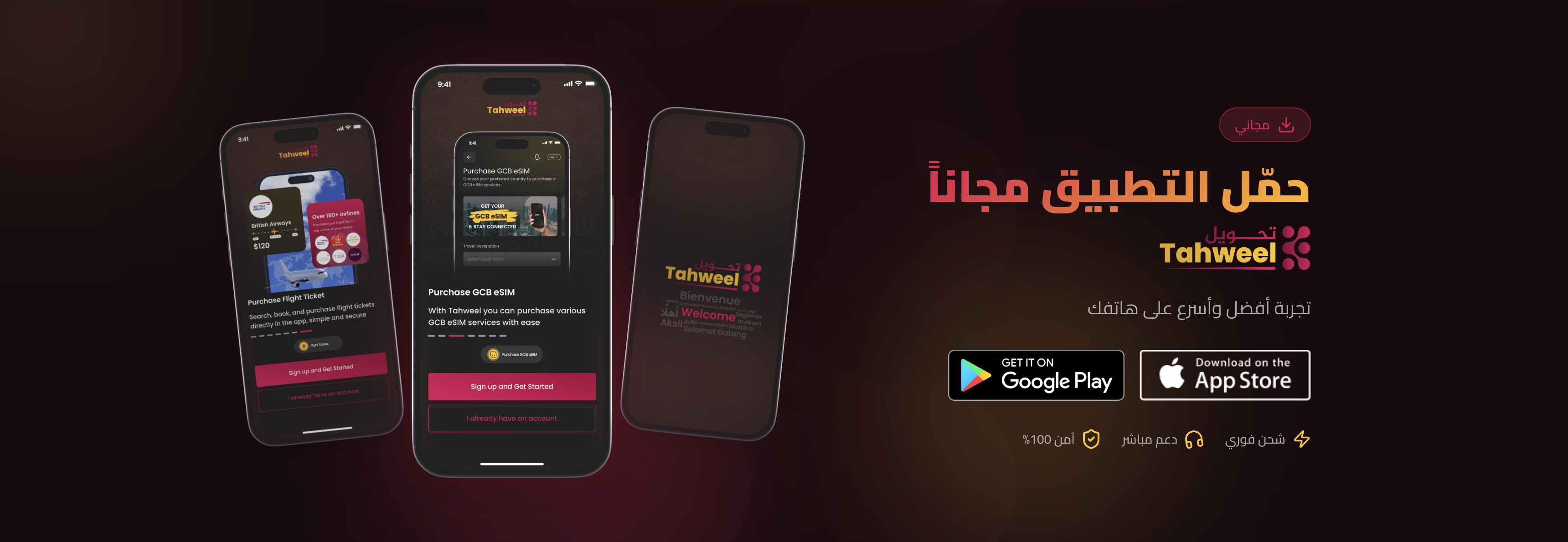
Tahweel application is the best solution for virtual card . Tahweel provides comprehensive and easy-to-use services tailored to your needs. Download the app now from tahweel.io
What Exactly is a Virtual Card? - virtual card
A virtual card, often referred to as a digital card or e-card, is a non-physical payment card. It functions similarly to a traditional physical credit or debit card, possessing a unique card number, expiration date, and CVV code, but it exists purely in the digital realm. This means it cannot be physically held or lost. It's generated by financial institutions, payment service providers, or specialized fintech companies and is typically linked to a primary bank account or a specific fund. The primary advantage of a virtual card lies in its ability to facilitate secure online transactions without exposing the user's main bank card details. This offers a significant layer of protection against online fraud and data breaches. Essentially, it’s a temporary or disposable digital proxy for your real financial information, designed for the online world.
The creation process is usually straightforward. Users can often generate a virtual card through their banking app, a dedicated online portal, or a third-party payment service. Depending on the provider, these cards can be set up for a single transaction, a limited time period, or a specific merchant. This flexibility allows for granular control over spending and enhances security. For instance, if you’re subscribing to a service and want to avoid recurring charges after a trial period, you can set the virtual card to expire or have a low spending limit. This prevents unauthorized deductions and simplifies subscription management. The concept of a virtual account number serving as an intermediary is the core innovation here.
The Undeniable Benefits of Using a Virtual Card
The adoption of virtual cards is rapidly increasing, driven by a compelling suite of benefits that address many of the pain points associated with online payments. These advantages extend from enhanced security to greater financial control and operational efficiency.
Enhanced Security and Fraud Prevention
This is arguably the most significant advantage. When you use your primary credit or debit card for online purchases, its details are often stored by merchants, increasing the risk of exposure in data breaches. A virtual card mitigates this risk dramatically. By providing a unique, often disposable, card number for each transaction or merchant, it acts as a shield. If a merchant's database is compromised, the exposed virtual card details are useless for accessing your main bank account or other financial resources. Many virtual card services also offer features like transaction monitoring, instant alerts for suspicious activity, and the ability to freeze or delete cards on the fly, further bolstering security. This is particularly crucial in an era where phishing scams and cyber theft are rampant, making secure digital payment methods like virtual cards a necessity.
The ability to create single-use virtual cards is a game-changer for one-time purchases or when dealing with unfamiliar online vendors. For example, if you're buying an item from a new e-commerce site, you can generate a virtual card with a specific, capped amount and set it to expire immediately after the purchase. This ensures that even if the merchant experiences a security breach, the compromised card details cannot be used for any further fraudulent activities, effectively limiting potential financial losses to the pre-set amount. This level of control is unparalleled with traditional cards.
Improved Financial Control and Budgeting
Virtual cards offer remarkable control over spending. Users can set specific spending limits on each card, ensuring they don't exceed their budget for particular purchases or categories. For example, an employee making business expenses can be issued a virtual card with a predefined limit for travel or office supplies, preventing overspending and simplifying expense reconciliation. For personal budgeting, dedicating a virtual card to online shopping or entertainment can help track expenditures more effectively. The clear separation of funds and spending patterns makes it easier to stick to financial goals and avoid impulse purchases that can derail a budget. This makes managing finances, both personally and from a business perspective, significantly more manageable.
Furthermore, the transparency provided by virtual card platforms is exceptional. Users can typically access real-time transaction data, view spending history, and categorize expenses with ease. This detailed insight into financial activity empowers users to make more informed decisions, identify areas where they might be overspending, and adjust their financial strategies accordingly. For businesses, this granular data can be invaluable for reporting, auditing, and optimizing procurement processes. The availability of such detailed tracking makes financial planning more robust and data-driven.
Convenience and Instant Issuance
The convenience of virtual cards cannot be overstated. They can be issued almost instantly, often within minutes of request, through a mobile app or website. This eliminates the waiting period associated with receiving a physical card in the mail. Once issued, the card details are immediately available for use in online transactions, either by entering them manually or adding them to digital wallets like Apple Pay or Google Pay. This speed and accessibility are crucial in today's fast-paced digital economy, where immediate purchases are often the norm. For businesses, this allows for swift onboarding of new employees or contractors who need purchasing power without delay. It streamlines procurement and ensures operational continuity.
The digital nature also means no physical wallet is needed for online purchases. Any device capable of accessing the internet can be used to manage and utilize these cards. This is especially beneficial for frequent travelers or individuals who prefer a minimalist approach to carrying physical payment instruments. The ability to manage multiple virtual cards for different purposes—one for subscriptions, another for online shopping, another for travel—from a single interface adds another layer of convenience and organization to financial management.
Use Cases for Virtual Cards
The versatility of virtual cards lends itself to a wide array of applications, serving both individuals and businesses effectively. Their ability to be customized for specific purposes makes them ideal for niche needs.
Online Shopping and Subscriptions
For regular online shoppers, a virtual card offers peace of mind. Instead of using a primary card that might be stored across numerous e-commerce sites, a dedicated virtual card can be used. This compartmentalizes risk. If one site suffers a breach, only the virtual card details are exposed, not your main financial identity. Moreover, for subscription services (streaming, software, gym memberships), it provides excellent control. You can set limits, expiry dates, or even use disposable cards to avoid unwanted recurring charges. This is perfect for trying out new services without commitment or for managing family subscriptions efficiently. This proactive approach to managing recurring payments is a significant benefit for many consumers.
Business Expenses and Employee Spending
Businesses can leverage virtual cards for streamlined expense management. They can issue virtual cards to employees with specific spending limits and merchant restrictions, ensuring budget adherence and simplifying accounting. For example, a sales team member might receive a virtual card with a limit for client entertainment or travel expenses. This eliminates the need for cumbersome reimbursement processes and provides real-time oversight of company expenditures. It’s an efficient way to manage vendor payments, software subscriptions, and operational costs, contributing to better financial governance and reducing fraud risks within the organization. The ability to track spending by employee or department is invaluable for financial analysis.
For freelancers and small businesses, virtual cards can be used to manage project-specific expenditures. Creating a separate virtual card for each client project allows for precise tracking of costs associated with that project, simplifying invoicing and profitability analysis. This granular control is particularly useful when juggling multiple clients and diverse project needs. The ease of generating and managing these cards digitally also saves significant administrative overhead compared to traditional methods.
Travel and International Payments
When traveling, using a virtual card can offer enhanced security and better exchange rates. By using a virtual card for bookings and purchases abroad, you protect your primary card from potential skimming or fraud, especially in unfamiliar environments. Many services also offer virtual cards with competitive foreign exchange rates, potentially saving money on international transactions. The ability to instantly generate a card for a specific trip or set a spending limit for travel expenses provides financial control and peace of mind, especially when dealing with currency fluctuations. This can be more advantageous than relying solely on physical credit cards, which may also incur higher foreign transaction fees. Some platforms even enable dynamic currency conversion options that can be optimized for the user.
Types of Virtual Cards
Virtual cards are not a one-size-fits-all solution. They come in various forms, each designed to cater to specific needs and user preferences. Understanding these distinctions can help you choose the most suitable option.
Disposable Virtual Cards
These are single-use virtual cards. They are perfect for one-time purchases where you want maximum security. Once the transaction is complete, or the card is used up to its pre-set limit, it can no longer be used. This is the ultimate security measure against unauthorized use, as the card details become invalid after a single transaction or once the limit is reached. They are ideal for online shopping from less reputable sites or for trying out new subscriptions where you don't intend to continue the service.
Recurring Virtual Cards
These virtual cards are designed for ongoing payments, such as subscriptions, rent, or regular service fees. Unlike disposable cards, they remain active for a set period or until a specific limit is reached. Users can often customize the spending limit and expiry date to manage these recurring charges effectively. This is a convenient way to handle regular bills while still benefiting from the enhanced security of a virtual card. For businesses, this means automated payments for SaaS tools or supplier invoices can be managed securely and efficiently. It simplifies cash flow management and reduces the risk of payment failures.
Merchant-Specific Virtual Cards
Some virtual card providers allow users to create cards tied to a specific merchant. This means the card can only be used at that particular online store or service provider. This offers an additional layer of security, as the card details are useless elsewhere. It's particularly useful for frequent shoppers at a particular online retailer or for business procurement where employees are authorized to purchase only from approved vendors. For instance, a company might issue a virtual card for an employee to use exclusively on a specific software vendor's website, ensuring compliance and control over IT spending.
How to Get and Use a Virtual Card
Obtaining and using a virtual card is generally a simple and quick process, though the exact steps can vary depending on the provider. Here’s a general overview:
Choosing a Provider
The first step is to select a reputable provider. This could be your existing bank, a digital wallet service, or a specialized fintech company. Consider factors like fees, security features, ease of use, integration with other financial tools, and the types of virtual cards offered. Many users find platforms that integrate issuing and managing virtual cards with their primary banking or payment services offer the most seamless experience. Look for providers that offer instant issuance and robust security protocols. Platforms like Tahweel offer solutions for various digital payment needs.
Application and Issuance
Once you've chosen a provider, you'll typically need to sign up for their service. This might involve linking an existing bank account or simply creating a new account. The application process is usually online and can be completed quickly. Depending on the provider and the type of card, you might need to undergo some identity verification. After approval, the virtual card details (card number, expiry date, CVV) will be generated and made available to you, usually through their app or online portal. This instant availability is a key advantage over physical cards.
Usage and Management
Using the card is as simple as entering the provided details at any online checkout. For added convenience, many virtual cards can be added to digital wallets like Apple Pay, Google Pay, or Samsung Pay, allowing for quick and secure payments both online and in-app. Most providers offer a dashboard or app where you can manage your virtual cards. This allows you to view transactions, check balances, set spending limits, freeze or delete cards, and receive notifications. This centralized management system ensures you have complete control over your digital spending at all times. It’s good practice to regularly review your virtual card activities to ensure everything is in order, especially for recurring cards.
Comparing Virtual Cards with Traditional Cards
While both virtual and traditional physical cards serve as payment instruments, their core differences lie in their form and, consequently, their primary applications and security profiles. Traditional physical cards are tangible, offering the ability to be used at point-of-sale terminals in physical stores and ATMs. They are robust for in-person transactions. However, their permanence and the necessity of sharing physical card details (often with contactless technology) in various environments increases the risk of fraud. Counterfeit card operations and physical theft are concerns associated with them.
In contrast, virtual cards excel in the digital space. Their inherent non-physicality makes them ideal for online transactions, shielding the user's primary financial information. The ability to create disposable or single-use cards offers a level of security that physical cards cannot match. While virtual cards can sometimes be added to mobile wallets for contactless payments in physical stores, their primary strength remains in facilitating secure and controlled online commerce. For businesses, the ability to issue multiple virtual cards with specific limits and controls for employee spending offers unparalleled operational efficiency and financial oversight, a capability less easily replicated with physical corporate cards.
Challenges and Considerations
Despite their numerous advantages, it's important to be aware of potential challenges and considerations when using virtual cards. The primary limitation is their lack of physical form, which can make them unsuitable for certain in-person transactions that do not support mobile wallet payments. Physical merchants that only accept traditional card swipes or inserts might not accommodate a virtual card directly, although often you can add them to digital wallets for tap-to-pay functionality. Another consideration is the source of the virtual card; while many banks offer them, relying on third-party providers might introduce additional fees or terms of service that need careful review. Understanding the fee structure—whether for issuance, transactions, or inactivity—is crucial to ensure the solution remains cost-effective.
Users must also maintain good digital hygiene, including strong passwords for their virtual card accounts and vigilance against phishing attempts that could compromise account access. For businesses, managing a large number of virtual cards requires robust internal processes and potentially integration with expense management software. Lastly, while virtual cards offer great control, it’s vital to keep track of all issued cards, especially recurring ones, to prevent unexpected charges or to ensure continued service from essential subscriptions. The ability to monitor and manage all cards from a central platform is critical for effective oversight.
The Future of Virtual Cards
The trajectory of virtual cards points towards increasing integration into our daily financial lives. As technology advances and consumer demand for secure, convenient digital payment solutions grows, virtual cards are poised to become even more sophisticated and widely adopted. We can expect to see enhanced personalization options, such as dynamic spending controls that adjust based on user behavior or location, and even tighter integration with budgeting apps and financial planning tools. The growth of the digital economy, accelerated by trends like remote work and online commerce, will continue to fuel the demand for secure digital payment instruments. Fintech innovators are constantly exploring new frontiers to make digital transactions more seamless and secure, and virtual cards are at the forefront of this innovation. The push for embedded finance, where financial services are integrated directly into non-financial platforms, will also likely see virtual cards playing a pivotal role. For example, a travel booking website might offer a pre-approved virtual card for a specific trip’s expenses, streamlining the entire booking and payment process. The continued evolution of mobile payment technologies and blockchain may also introduce new functionalities and security paradigms for virtual cards, further solidifying their importance in the future of finance.
The underlying technology supporting virtual cards, such as tokenization and encryption, is also continuously improving, offering ever-higher levels of security. As awareness spreads about the benefits of using a virtual card for online transactions, more individuals and businesses will likely transition away from solely relying on traditional payment methods for their digital needs. The convenience, security, and control they offer are simply too compelling to ignore in an increasingly digital world. Tahweel is at the forefront of providing these advanced financial tools, ensuring users have access to the latest in digital payment technology. This focus on innovation means that virtual cards are not just a trend but a fundamental shift in how we approach digital finance, making transactions safer, smarter, and more accessible for everyone.