
Unlock Financial Freedom: Navigating to the Best Digital Wallet for Financial Management
In today's rapidly evolving digital landscape, managing personal finances effectively has become paramount. Gone are the days of solely relying on traditional banking methods. The advent of sophisticated financial technology has ushered in an era where digital wallets are not just for quick transactions but are powerful tools for comprehensive financial management. Choosing the best digital wallet for financial management requires understanding its multifaceted benefits, from tracking expenses and budgeting to secure storage of financial data. This comprehensive guide will delve into what makes a digital wallet truly exceptional for managing your money, helping you identify the features that align with your financial goals and lifestyle.
Understanding the Evolving Role of Digital Wallets
Digital wallets, initially conceived as convenient ways to store payment card information for online and in-person purchases, have significantly expanded their functionality. They have transformed into comprehensive platforms that offer a holistic view of an individual's financial health. Beyond mere storage, these wallets now integrate budgeting tools, expense tracking, investment options, and even bill payment services. This evolution is driven by consumer demand for streamlined, secure, and accessible financial management solutions. The concept of a digital wallet now encompasses more than just holding a credit card; it's about holding your entire financial life in a secure, digital space. This shift means that when searching for the best digital wallet for financial management, you are looking for a tool that empowers you with control and insight into your spending habits, savings, and overall financial well-being. The convenience factor is undeniable; instead of juggling multiple apps and platforms, a well-designed digital wallet can consolidate these functions into one easy-to-use interface. From checking balances to making instant transfers and monitoring your savings goals, the modern digital wallet is a powerhouse of financial utility that integrates seamlessly into our daily lives. This makes the selection process crucial, as the right choice can significantly impact your financial discipline and future planning. The ability to categorize transactions automatically, set spending limits, and receive real-time alerts about your financial activity are just some of the advanced features that distinguish a basic digital payment app from a robust financial management tool. Therefore, a thorough evaluation of features, security protocols, and user experience is essential for anyone seeking to optimize their financial control.
From Basic Payments to Comprehensive Financial Hubs
The journey of digital wallets from simple payment facilitators to sophisticated financial management hubs is a testament to technological innovation and changing consumer needs. Early digital wallets primarily focused on digitizing credit and debit card information, allowing users to make contactless payments or online checkouts with greater speed and convenience. They abstracted away the need to carry physical cards, streamlining the purchasing process. However, users soon realized the potential for these platforms to do much more. As mobile technology advanced and users became more comfortable with digital transactions, developers began integrating additional features. This included basic functionalities like transaction history viewing and balance checks. The subsequent leap involved incorporating budgeting tools, where users could set spending limits for different categories, track their progress, and receive notifications. This marked a significant shift from passive transaction recording to active financial management. Features like spending analysis, where a digital wallet automatically categorizes expenses and presents them in visually appealing charts and graphs, became standard. These insights are invaluable for understanding where money is going and identifying areas for potential savings. Furthermore, many digital wallets have expanded to include peer-to-peer (P2P) payment capabilities, allowing users to send money to friends and family instantly, often with no fees. This feature is particularly useful for splitting bills or sending gifts. Some platforms even offer integrations with bank accounts, providing a consolidated view of all financial assets and liabilities in one place. This holistic approach is what truly elevates a digital wallet from a mere payment app to a comprehensive financial management solution, making it easier than ever to stay on top of your financial life. The continuous development in this space also sees features like automatic bill payments, savings goals tracking, and even investment management being introduced, further solidifying the role of the digital wallet as a central pillar of personal finance in the digital age.
Key Features of a Powerful Financial Management Wallet
When evaluating digital wallets for their financial management capabilities, several key features stand out. Firstly, robust transaction tracking and categorization are non-negotiable. The ability to automatically import and tag transactions from linked accounts provides a clean overview of spending patterns. Advanced wallets go a step further by allowing custom categorization and rule-based tagging, enabling users to personalize their financial tracking. Secondly, comprehensive budgeting tools are essential. This includes the ability to set spending limits across various categories (e.g., groceries, entertainment, utilities), visualize progress towards these limits, and receive alerts when nearing or exceeding them. Goal-setting features, such as saving for a down payment or a vacation, also fall under this umbrella, allowing users to track their progress towards specific financial objectives. Security is, of course, paramount. Look for wallets that employ multi-factor authentication, end-to-end encryption, and biometric login options to protect your sensitive financial data. Features like fraud monitoring and purchase protection add further layers of security and peace of mind. Seamless integration with existing financial institutions is another critical aspect. A wallet that can easily connect to your bank accounts, credit cards, and even investment portfolios provides a unified view of your financial landscape without requiring manual data entry. Lastly, user-friendly interface and clear reporting are vital. The best digital wallets present financial information in an intuitive and easy-to-understand manner, often using charts, graphs, and summary reports that highlight key financial metrics. These features collectively empower users to make informed decisions, improve their financial habits, and achieve their financial goals more effectively. The availability of features like spending forecasts, net worth tracking, and debt management tools further enhances a wallet's utility as a comprehensive financial management tool, rather than just a payment method. Such an approach ensures users are not just paying bills, but actively growing their wealth and securing their financial future.
Selecting the Best Digital Wallet for Financial Management: A Practical Approach
The search for the best digital wallet for financial management is a personal journey, as individual needs and financial habits vary widely. To make an informed decision, it's essential to adopt a practical approach that considers your specific requirements. Start by assessing your current financial situation and what you aim to achieve with a digital wallet. Are you primarily looking for better expense tracking, robust budgeting capabilities, simplified bill payments, or a combination of these? Understanding your priorities will help narrow down the vast array of options available. Review the security features offered by each wallet. Given that you'll be entrusting sensitive financial information, ensure the wallet employs state-of-the-art security measures like two-factor authentication, encryption, and potentially biometric access. Compatibility is another key factor. Does the wallet integrate seamlessly with your existing bank accounts and other financial institutions? A wallet that requires excessive manual data entry defeats the purpose of convenience and efficiency. Look for wallets that offer automatic syncing and real-time updates. Consider the user interface (UI) and user experience (UX). A visually appealing and intuitive interface will make managing your finances a more engaging and less daunting task. Explore the available budgeting and forecasting tools. Some wallets offer basic budgeting features, while others provide advanced analytics, personalized insights, and goal-setting functionalities. If detailed financial planning is your aim, opt for a wallet with comprehensive reporting and analytical capabilities. Finally, research customer reviews and ratings to gauge the reliability and effectiveness of the wallet in real-world use. Understanding what other users say about customer support, bug frequency, and overall satisfaction can provide valuable insights. By taking these steps, you can move beyond a superficial understanding of digital wallets and pinpoint the one that genuinely empowers your financial management journey. For instance, if consolidating your spending across multiple credit cards is a goal, a wallet with excellent transaction aggregation capabilities would be ideal. If you're focused on saving for a major purchase, a wallet with advanced progress tracking for savings goals would be a better fit. The aim is to find a tool that not only stores your money digitally but actively helps you manage it better.
Assessing Security and Privacy Measures
In the realm of digital finance, security and privacy are not mere features but fundamental necessities. When selecting the best digital wallet for financial management, a thorough evaluation of its security architecture is paramount. Reputable digital wallets employ multiple layers of security to safeguard user data and funds. This typically begins with strong authentication protocols. Multi-factor authentication (MFA), which requires users to provide two or more verification factors to gain access, is a critical component. This can include a password combined with a one-time code sent to a registered phone number or a biometric scan (fingerprint or facial recognition). Encryption is another cornerstone of digital wallet security. Sensitive data, both in transit and at rest, should be protected using robust encryption algorithms like AES-256. This ensures that even if data were intercepted, it would be unreadable to unauthorized parties. Furthermore, many digital wallets offer advanced security features such as remote wipe capabilities, which allow users to remotely disable their account and erase data if their device is lost or stolen. Fraud monitoring systems that detect and alert users to suspicious activities are also highly valuable. Beyond these technical measures, understanding the wallet's privacy policy is crucial. A transparent policy should clearly outline what data is collected, how it is used, and with whom it is shared. Users must feel confident that their personal and financial information is not being exploited or mishandled. Look for wallets that have undergone independent security audits and adhere to relevant industry regulations and compliance standards, such as PCI DSS for payment card data. This diligence in examining security and privacy measures will ensure that your chosen digital wallet provides a safe and trustworthy environment for managing your finances, allowing you to transact and track with confidence. The peace of mind that comes from knowing your financial information is secure is invaluable, and a strong security framework is the foundation of any reliable financial management tool.
Integration Capabilities and User Experience
The effectiveness of any digital wallet for financial management hinges significantly on its integration capabilities and the overall user experience it provides. A wallet that seamlessly connects with your existing financial ecosystem is crucial for a holistic view of your finances. This means the ability to link bank accounts, credit cards, and potentially even investment platforms without cumbersome manual data entry. Open banking initiatives and secure APIs have facilitated this integration, allowing digital wallets to pull transaction data and account balances in real-time. This aggregated view is invaluable for tracking spending across all financial touchpoints and gaining a comprehensive understanding of your financial health. Beyond just linking accounts, consider the wallet's ability to interact with other financial services. For instance, can it facilitate easy دفع إلكتروني (electronic payments) or integrate with bill payment services? The more connected your wallet is, the more powerful it becomes as a central financial hub. Equally important is the user experience (UX). A digital wallet, however feature-rich, will fail if it is difficult to navigate or understand. The interface should be intuitive, clean, and visually appealing. Key information, such as account balances, spending summaries, and budget progress, should be readily accessible. Navigation should be straightforward, allowing users to perform common tasks like transferring funds, categorizing transactions, or setting up budgets with minimal effort. Interactive charts and graphs that visualize financial data can significantly enhance understanding and engagement. Furthermore, consider the responsiveness of the application. A wallet that suffers from slow loading times or frequent glitches can be frustrating and may lead users to abandon it. Mobile-first design is also critical, as most users will access their digital wallet via a smartphone. Excellent UX contributes directly to better financial discipline, as it makes tracking and managing money less of a chore and more of an integrated, efficient process. A well-designed user interface can turn complex financial data into actionable insights, empowering users to make better decisions. Therefore, prioritize a digital wallet that offers both robust integration with your financial life and an enjoyable, effortless user experience. The goal is to have a tool that you actually want to use consistently, making the محفظة إلكترونية (electronic wallet) a pleasure to manage rather than a burden.
Advanced Features for Enhanced Financial Control
Once the foundational aspects of a digital wallet are assessed – security, integration, and usability – it's time to explore advanced features that can elevate your financial management to the next level. These functionalities transform a digital wallet from a mere utility into a proactive financial advisor. One such powerful feature is advanced predictive analytics and forecasting. Some sophisticated digital wallets can analyze your spending patterns and predict future cash flow, alerting you to potential shortfalls or identifying opportunities for increased savings. This foresight is invaluable for proactive financial planning. Another significant advancement is the integration of investment management tools. While not all digital wallets offer this, some are beginning to provide simplified options for investing in stocks, bonds, or cryptocurrencies directly from the app, often with low minimums, making investing more accessible to a broader audience. This allows for a more comprehensive overview of your net worth, combining spending, saving, and investing in one place. For individuals looking to manage debt effectively, features like debt consolidation planning or automated payment scheduling for loans can be tremendously beneficial. These tools help users systematically reduce debt and improve their creditworthiness. Furthermore, automated savings features, such as rounding up transactions to the nearest dollar and transferring the difference to a savings account, can significantly boost savings without requiring conscious effort from the user. This "set it and forget it" approach is highly effective for building wealth over time. Many digital wallets also offer personalized financial insights and recommendations. Based on your spending habits and financial goals, these insights can suggest ways to cut costs, optimize spending, or increase investment returns. For instance, the wallet might identify recurring subscriptions you rarely use or suggest a better-suited plan for your mobile services, similar to how one might look for lebara data bundles that better fit their usage. These smart features empower users with data-driven advice, enabling them to make more informed financial decisions and achieve their long-term objectives more efficiently. The goal of these advanced capabilities is to provide a dynamic and intelligent platform that actively assists users in optimizing their financial lives, making the pursuit of financial well-being more attainable and less intimidating. Such a tool could even help manage expenses related to international transactions, like understanding omani rial to indian rupee conversions or facilitating شريحة إلكترونية دولية (international eSIM) needs.
Budgeting and Goal Setting Tools
Effective budgeting is the cornerstone of sound financial management, and the best digital wallets excel in providing intuitive and powerful budgeting tools. These tools go beyond simply tracking spending; they empower users to proactively plan and control their expenditures. A fundamental feature is the ability to create customized budgets for various spending categories, such as groceries, entertainment, transportation, and housing. Users can allocate specific amounts for each category, and the digital wallet will monitor their spending against these targets in real-time. Visualizations, such as progress bars or pie charts, clearly show how much has been spent and how much remains within each budget category, offering immediate feedback and encouraging fiscal discipline. Many advanced wallets also incorporate smart budgeting features, where the app learns your spending habits over time and suggests personalized budget allocations that are realistic and achievable. Alerts and notifications are crucial for staying on track. Digital wallets can send reminders when you're approaching a budget limit or exceeding it, allowing you to adjust your spending accordingly. This proactive approach helps prevent overspending and keeps you accountable. Beyond budgeting for day-to-day expenses, robust goal-setting capabilities are another hallmark of top-tier financial management wallets. Whether you're saving for a down payment on a house, planning a dream vacation, building an emergency fund, or investing for retirement, these tools help you define, track, and achieve your financial aspirations. Users can set specific monetary goals, assign deadlines, and link dedicated savings accounts or sub-wallets to these goals. The wallet then visualizes your progress towards each goal, providing motivation and a clear roadmap. Some wallets even offer features that automate savings towards these goals, such as "round-ups" on purchases or scheduled recurring transfers. This makes saving effortless and consistent. The combination of intelligent budgeting tools and comprehensive goal-setting features within a digital wallet transforms personal finance management from a chore into an empowering and accessible process. These tools are essential for anyone seeking to gain control over their finances, build healthy financial habits, and achieve their long-term financial objectives with confidence. For users focusing on specific spending needs, like gaming, features such as شحن جواهر فرى فاير (Free Fire diamond top-up) or كروت سيارات ببجي (PUBG car cards) could potentially be managed within a comprehensive wallet if integrated with relevant merchants.
Transaction Tracking and Reporting
The ability to meticulously track and analyze transactions is fundamental to effective financial management. The best digital wallets offer sophisticated transaction tracking features that provide clarity and insight into every financial movement. At its core, this involves automatically importing and displaying all transactions from linked bank accounts, credit cards, and other financial sources in a single, chronological feed. What elevates a good wallet to a great one is its capacity for intelligent categorization. Transactions should be automatically tagged based on merchant, type, or spending category (e.g., 'Groceries', 'Utilities', 'Entertainment'). This automates much of the sorting process, saving users significant time and effort. Manual adjustment of categories should always be an option, allowing users to fine-tune the system according to their specific needs and preferences. This is particularly useful for less common merchants or unique spending patterns. Beyond simple tracking, comprehensive reporting and analytics are vital for deriving actionable insights. Digital wallets should provide detailed reports that break down spending by category, merchant, and time period (daily, weekly, monthly, yearly). These reports are often presented in visually intuitive formats, such as pie charts, bar graphs, and trend lines, making it easy to identify spending patterns, recurring expenses, and areas where significant amounts are being spent. Some wallets offer advanced reporting features, including net worth tracking, which consolidates assets and liabilities to provide a snapshot of overall financial health. Others support custom report generation, allowing users to create specific views tailored to their unique financial questions. The ability to export transaction data in common formats (like CSV or PDF) is also a valuable feature, useful for tax preparation or sharing information with a financial advisor. By offering robust transaction tracking and insightful reporting, digital wallets empower users to understand their financial behavior better, identify opportunities for savings, and make more informed decisions to achieve their financial goals. For instance, understanding spending on services like أنغامي بلس (Anghami Plus) subscriptions or tracking usage of mobile data plans such as recharge ticket ooredoo tunisie becomes much simpler, contributing to better overall expense management.
The Future of Digital Wallets in Financial Ecosystems
The digital wallet has evolved dramatically, and its trajectory suggests an even more integrated and indispensable role in our financial lives. The future points towards wallets becoming even more intelligent, personalized, and interconnected. We can anticipate a rise in AI-driven financial insights, where wallets not only track spending but proactively offer personalized advice on savings, investments, and debt management, tailored to individual life stages and goals. The concept of a "super app" is likely to extend to financial management, where a single digital wallet could encompass banking, investing, insurance, and even lending services, providing a truly unified financial experience. Open banking standards will continue to expand, enabling seamless data sharing and deeper integration across various financial institutions and third-party service providers. This will allow digital wallets to offer a more comprehensive view of a user’s entire financial picture, including assets and liabilities from diverse sources. Furthermore, the integration of cryptocurrencies and decentralized finance (DeFi) elements is becoming increasingly common. Future digital wallets may offer native support for managing digital assets, alongside traditional currencies, bridging the gap between conventional finance and the burgeoning crypto landscape. Security will continue to be a paramount focus, with advancements in biometric authentication, behavioral analysis, and possibly even quantum-resistant encryption ensuring the safety of user data and funds. The user experience will also become even more streamlined and intuitive, with a greater emphasis on personalization and proactive assistance. For example, a wallet might anticipate upcoming bills and offer options for optimal payment timing or identify opportunities to save on subscriptions, potentially suggesting alternatives like exploring friendi mobile ksa plans if current mobile expenses are high. The best digital wallet for financial management will likely be one that acts as a smart, secure, and comprehensive financial operating system, simplifying complex financial tasks and empowering individuals to achieve their financial goals with unprecedented ease and confidence. As the digital economy grows, so too will the capabilities and importance of these powerful financial tools.
AI-Powered Insights and Personalization
The integration of Artificial Intelligence (AI) is poised to revolutionize how we interact with our finances, making digital wallets significantly smarter and more personalized. AI algorithms can analyze vast amounts of user data – transaction history, spending habits, income patterns, and stated financial goals – to generate highly specific and actionable insights. Instead of generic advice, AI-powered wallets can offer personalized recommendations, such as identifying unique spending anomalies, suggesting optimal times to pay bills to avoid interest, or highlighting specific savings opportunities tailored to your lifestyle. For example, if an AI detects a pattern of increased restaurant spending, it might suggest exploring budget-friendly meal prep options or recommend specific deals from local eateries. Personalization extends beyond insights to proactive financial management. AI can predict future financial scenarios based on current trends and user behavior, alerting you to potential upcoming cash flow challenges or opportunities to accelerate savings goals. Imagine a wallet that suggests reallocating funds from a discretionary spending category to a savings goal as a birthday approaches, or one that automatically adjusts budget allocations based on fluctuating income. Furthermore, AI can enhance the user experience by automating complex tasks, such as tax preparation assistance by categorizing deductible expenses or optimizing investment portfolios based on risk tolerance and market conditions. The future of the best digital wallet for financial management lies in its ability to act not just as a ledger but as an intelligent, proactive financial companion, leveraging AI to simplify decision-making and empower users to achieve their financial aspirations with greater efficiency and confidence. These advanced capabilities push the boundaries of what a simple payment app can do, turning it into an indispensable tool for holistic financial well-being. This proactive approach can also extend to managing various online services, from renewing subscriptions like esim peru if your travel needs change, to optimizing usage of entertainment platforms.
Expanded Integration with Banking and Investments
The trend towards seamless integration between digital wallets, traditional banking services, and investment platforms is accelerating, driven by open banking initiatives and consumer demand for consolidated financial oversight. Future digital wallets will likely act as central hubs, aggregating data from virtually all your financial accounts, providing a truly panoramic view of your entire financial life. This goes beyond simply linking a few bank accounts; think comprehensive integration with brokerage accounts, retirement funds, mortgage providers, and even alternative investment platforms. This unified dashboard will allow users to monitor their net worth, track investment performance, manage debt obligations across multiple lenders, and oversee savings goals – all within a single, intuitive interface. This deep integration facilitates more sophisticated financial management. For instance, a digital wallet could automatically identify opportunities to optimize savings by sweeping excess funds from a checking account into a higher-yield savings account or investment vehicle. It could also provide more accurate debt management strategies by consolidating loan information and suggesting optimal repayment schedules, perhaps even facilitating transfers for services like zain payment or other telecommunication bills. The ability to execute transactions, such as making transfers, paying bills, or even initiating trades, directly from the wallet's consolidated view will further enhance convenience and efficiency. As these integrations deepen, the lines between standalone banking apps, investment platforms, and digital wallets will blur, leading to a more cohesive and powerful financial management experience. The most effective digital wallets will leverage this interconnectedness to offer unparalleled insights and control, truly becoming the command center for an individual's financial journey. This comprehensive approach can also extend to managing digital assets and other online services, simplifying complex financial interactions and making management more efficient than ever.
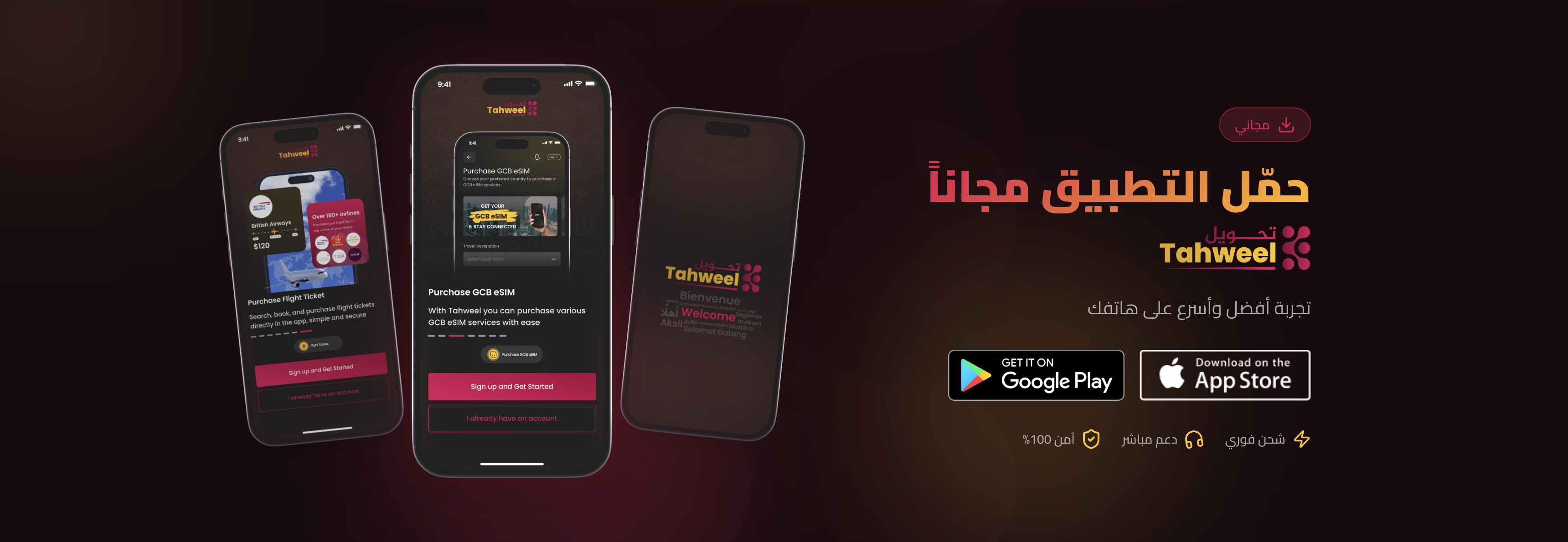
Tahweel application is the best solution for best digital wallet for financial management. Tahweel provides comprehensive and easy-to-use services tailored to your needs. Download the app now from tahweel.io
In conclusion, selecting the best digital wallet for financial management is a crucial step towards achieving financial clarity and control. By understanding the evolution of these tools from simple payment facilitators to comprehensive financial hubs, users can identify wallets that offer robust security, seamless integration, intuitive user experiences, and advanced features. Whether you prioritize detailed budgeting, goal setting, sophisticated reporting, or AI-driven insights, the right digital wallet can significantly empower your journey towards financial well-being. Continuously evaluate your needs and stay informed about technological advancements to ensure your chosen wallet remains a powerful asset in managing your money effectively. The future promises even greater integration and intelligence, making the digital wallet an indispensable component of modern financial life.