
Payment Gateway in Saudi Arabia: Empowering Your Business for the Digital Age
In today's rapidly evolving digital landscape, a robust and reliable payment gateway in Saudi Arabia is no longer a luxury but a fundamental necessity for businesses of all sizes. As the Kingdom accelerates its economic diversification under Vision 2030, the adoption of digital payment solutions has surged, transforming how consumers shop and businesses operate. Understanding the intricacies of payment gateways is crucial for any enterprise aiming to thrive in this dynamic market.
A payment gateway acts as the vital bridge between a customer's payment method, a merchant's website or app, and the financial institutions involved in processing a transaction. It securely captures payment information, verifies the details, and facilitates the transfer of funds, ensuring a seamless and trustworthy experience for both parties. For businesses operating in or targeting the Saudi Arabian market, choosing the right payment gateway can significantly impact sales, customer satisfaction, and operational efficiency.
The Growing Importance of Digital Payments in Saudi Arabia
Vision 2030 and Digital Transformation
Saudi Arabia's Vision 2030 initiative places a strong emphasis on economic diversification, digital transformation, and fostering a vibrant e-commerce ecosystem. The government's commitment to modernizing infrastructure, promoting innovation, and encouraging digital adoption has created a fertile ground for online businesses. This shift includes a significant increase in the usage of digital payments, moving away from traditional cash-on-delivery methods towards more convenient and secure online transactions. The regulatory environment is also becoming more conducive to fintech innovations, supporting the growth of companies offering advanced payment solutions.
Consumer Behavior and E-commerce Growth
Saudi consumers are increasingly comfortable with online shopping and digital payments. Factors like increased internet penetration, smartphone usage, and a growing preference for convenience drive this trend. E-commerce platforms are experiencing remarkable growth, and businesses that fail to offer seamless digital payment options risk losing out on a substantial customer base. A well-integrated payment gateway is key to capturing this market share and providing a competitive edge.
What is a Payment Gateway and How Does It Work?
At its core, a payment gateway is a technology service that authorizes credit or debit card payments for online businesses. It's the point-of-sale terminal for e-commerce. When a customer makes a purchase online, the payment gateway securely encrypts sensitive data, such as credit card numbers, and transmits it to the payment processor. The processor then communicates with the issuing bank (the customer's bank) and the acquiring bank (the merchant's bank) to verify the transaction's authenticity and availability of funds.
The Transaction Flow: A Step-by-Step Overview
Understanding the workflow is essential:
- Customer Initiates Payment: The customer enters their payment details (credit/debit card number, expiry date, CVV) on the merchant's website or app during checkout.
- Data Encryption: The payment gateway encrypts this sensitive information, ensuring it is protected during transmission.
- Gateway to Processor: The encrypted data is sent to the payment processor.
- Processor to Card Network: The processor routes the transaction details to the appropriate card network (Visa, Mastercard, etc.).
- Authorization Request: The card network forwards the request to the customer's issuing bank.
- Issuing Bank Approval/Denial: The issuing bank verifies the card details and checks for sufficient funds. It then sends an authorization response (approved or declined) back through the network.
- Response to Merchant: The response travels back through the processor to the payment gateway and finally to the merchant's website.
- Confirmation: If approved, the customer receives a confirmation of their purchase. If declined, the customer is usually prompted to try a different payment method.
- Settlement: Once authorized, the funds are transferred from the customer's bank to the merchant's bank account, a process known as settlement, which typically occurs in batches.
Key Features to Look for in a Payment Gateway in Saudi Arabia
Selecting the right payment gateway provider is critical for business success. Here are essential features to consider:
Security and Compliance
Security is paramount. The gateway must be PCI DSS compliant (Payment Card Industry Data Security Standard) to ensure the highest level of data protection. Features like tokenization (replacing sensitive card data with a unique token) and 3D Secure (an additional layer of authentication for online card transactions) are crucial for fraud prevention. Ensuring compliance with local Saudi Arabian regulations is also vital.
Supported Payment Methods
A comprehensive payment gateway should support a wide range of popular payment methods in Saudi Arabia. This includes major credit and debit cards (Visa, Mastercard, American Express), but also local options like Mada (the national debit card network), mobile payment wallets, and potentially buy-now-pay-later (BNPL) options. Offering diverse payment choices caters to a broader customer base and reduces cart abandonment rates.
Integration Capabilities
The ease of integrating the payment gateway with your existing e-commerce platform or website is a significant consideration. Look for gateways that offer seamless integration with popular platforms like Shopify, WooCommerce, Magento, or provide robust APIs (Application Programming Interfaces) and SDKs (Software Development Kits) for custom integrations. This ensures a smooth setup process and a consistent user experience.
Transaction Fees and Pricing Models
Understanding the fee structure is essential for budgeting and profitability. Gateways typically charge a combination of:
- Per-transaction fees: A percentage of the transaction amount plus a fixed fee.
- Monthly fees: A recurring charge for using the service.
- Setup fees: A one-time charge for account activation.
- Chargeback fees: Fees incurred when a transaction is disputed by the customer.
Customer Support and Reliability
Reliable uptime and responsive customer support are critical. A significant amount of downtime can lead to lost sales and damage customer trust. Inquire about the gateway's uptime guarantee and the availability and quality of their customer support, especially in your local time zone or language. Access to support for technical issues or payment disputes can be invaluable.
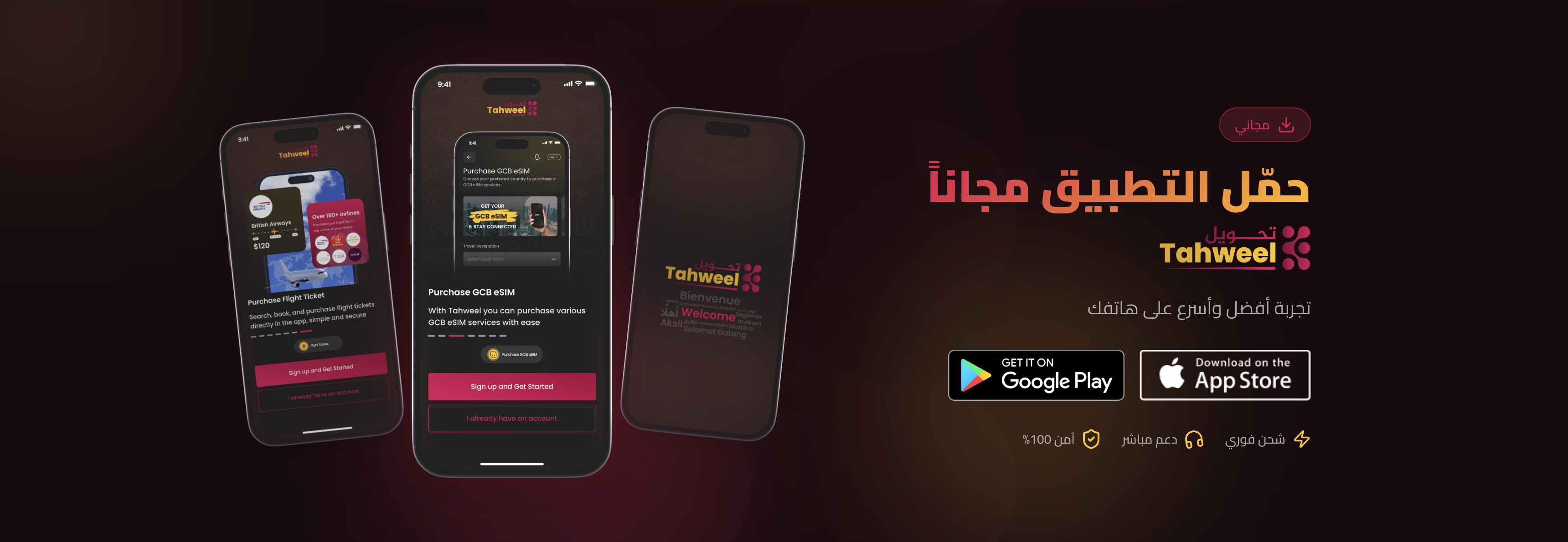
Tahweel application is the best solution for payment gateway in saudi arabia. Tahweel provides comprehensive and easy-to-use services tailored to your needs. Download the app now from tahweel.io
Navigating the Saudi Arabian Payment Landscape
Mada: The Local Card Scheme
Mada is the predominant national debit card network in Saudi Arabia. It is widely used for point-of-sale transactions and increasingly for online purchases. For businesses operating in KSA, ensuring your payment gateway supports Mada is essential for capturing a significant portion of the domestic market. A gateway that integrates with Mada offers a familiar and trusted payment option for local consumers.
International vs. Local Payment Gateways
When choosing a payment gateway, businesses can opt for international providers with a strong presence in Saudi Arabia or select a local provider that deeply understands the nuances of the Saudi market. International gateways often offer a wider range of features and currencies, while local providers may have better integration with local payment methods like Mada and more tailored customer support for the region. Some providers offer a hybrid approach, combining global reach with local expertise. For businesses looking for comprehensive payment gateway solutions, considering regional players is key.
Regulatory Considerations
Businesses must be aware of local regulations governing digital payments and e-commerce in Saudi Arabia. The Saudi Central Bank (SAMA) oversees the financial sector and sets standards for payment services. Ensuring your chosen payment gateway provider is licensed and compliant with SAMA's requirements is crucial for legal operation and building trust with customers.
Enhancing Your Business with the Right Payment Gateway
Reducing Cart Abandonment
A complicated or limited checkout process is a major cause of cart abandonment. Offering a smooth, fast, and secure checkout experience with multiple payment options can significantly reduce the number of customers who leave without completing their purchase. A good دفع إلكتروني solution makes this possible.
Improving Customer Trust and Security
Implementing a reputable payment gateway that displays trust badges (e.g., SSL certificates, PCI compliance seals) can enhance customer confidence. Knowing their financial data is handled securely encourages customers to complete transactions. Transparent policies and clear communication about security measures also play a vital role.
Streamlining Operations and Reporting
Modern payment gateways offer robust dashboards and reporting tools. These features provide insights into sales trends, transaction history, and settlement reports, simplifying accounting and financial management. Automated processes reduce manual effort, freeing up resources to focus on core business activities. Managing various financial needs, including شحن رصيد اون لاين, can be integrated with such systems.
The Future of Payments in Saudi Arabia
The trajectory of digital payments in Saudi Arabia is one of continuous innovation and growth. We can expect to see further advancements in mobile payments, the rise of new fintech solutions, and increased adoption of alternative payment methods. As businesses adapt to these changes, investing in a flexible and future-proof payment gateway in Saudi Arabia will be more critical than ever. Providers that can adapt to emerging technologies and evolving consumer preferences will lead the market.
In conclusion, a well-chosen payment gateway is an indispensable tool for any business looking to succeed in Saudi Arabia's digital economy. By prioritizing security, supporting local payment methods, and ensuring seamless integration, businesses can unlock new opportunities for growth and provide exceptional customer experiences. Solutions that simplify transactions, such as those offered by Tahweel, are paving the way for a more connected and efficient marketplace.