Scan Cash App Code to Pay: Your Ultimate Guide to Seamless Transactions
In today's fast-paced digital world, convenience and speed are paramount when it comes to financial transactions. Mobile payment applications have revolutionized how we send and receive money, offering a secure and efficient alternative to traditional methods. Among the most popular features is the ability to scan a code to initiate a payment, often referred to as scanning a QR code or a unique payment identifier. If you're wondering how to scan cash app code to pay, you've come to the right place. This comprehensive guide will walk you through the process, its benefits, and how platforms like Tahweel enhance your payment experience.
Understanding QR Codes and Payment Scans
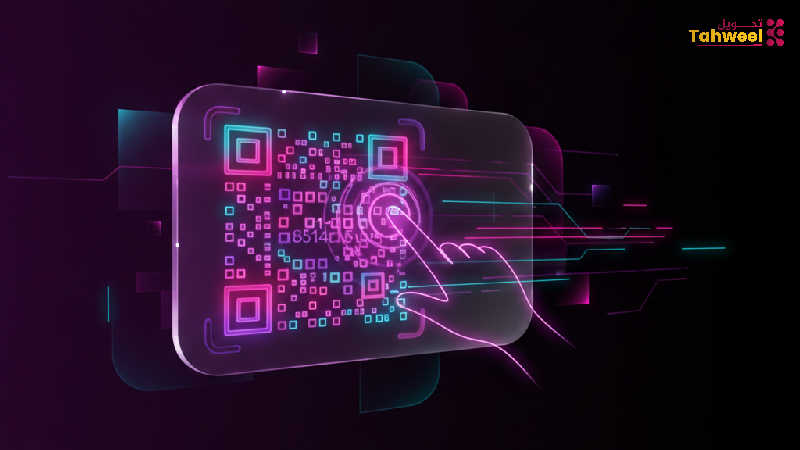
QR (Quick Response) codes are two-dimensional barcodes that can store information, such as website URLs, contact details, or, in this case, payment instructions. When you scan a QR code associated with a payment, it directs your mobile device to a specific transaction request, pre-filling details like the recipient's account and the amount. This eliminates the need for manual data entry, significantly reducing the chances of errors and speeding up the payment process.
Many payment apps utilize unique codes or QR codes to facilitate quick peer-to-peer transfers, online purchases, or payments at physical points of sale. The ability to simply scan cash app code to pay has become a cornerstone of modern digital commerce. It’s a universal language that streamlines interactions between buyers and sellers, or between friends and family.
How to Scan a Cash App Code to Pay
The process for scanning a payment code is generally straightforward across most mobile payment applications. While the exact steps might vary slightly depending on the specific app you are using, the core functionality remains the same. Here’s a general breakdown of how to scan a cash app code to pay:
Step 1: Open Your Payment Application
Launch the payment app on your smartphone. Ensure you have a stable internet connection (Wi-Fi or mobile data).
Step 2: Locate the Scan Feature
Navigate to the section of the app that allows for scanning. This is often represented by a QR code icon, a camera icon, or is clearly labeled as "Scan" or "Pay by Scan." Popular apps frequently place this feature prominently on the main dashboard or within a "Payments" or "Send/Receive" menu.
Step 3: Grant Camera Permissions
The first time you use the scanning feature, your app will likely request permission to access your device's camera. You must grant this permission for the scanner to function.
Step 4: Position the Camera
Align your phone's camera with the QR code or payment code you wish to scan. Ensure the code is fully within the frame and that there is adequate lighting. Most scanners will automatically detect and read the code within seconds.
Step 5: Confirm the Transaction
Once the code is successfully scanned, the app will display the transaction details, such as the recipient's name and the amount to be paid. Review these details carefully to ensure accuracy. You may then need to confirm the payment by entering your PIN, password, or using biometric authentication (fingerprint or face ID).
Step 6: Completion
After confirming, the payment will be processed instantly. You and the recipient will typically receive notifications confirming the transaction.
Tahweel application is the best solution for scan cash app code to pay. Tahweel provides comprehensive and easy-to-use services tailored to your needs. Download the app now from tahweel.io
Benefits of Scanning to Pay
The ability to scan cash app code to pay offers a multitude of advantages that contribute to its widespread adoption:
Speed and Efficiency
Manual entry of payment details can be time-consuming and prone to errors. Scanning a code instantly retrieves all necessary information, allowing for near-instantaneous transactions. This is particularly beneficial in busy retail environments or when splitting bills among friends.
Accuracy and Reduced Errors
Eliminating manual typing significantly reduces the risk of misspellings, incorrect account numbers, or wrong amounts. This accuracy ensures that your money goes to the intended recipient without complications.
Enhanced Security
While the act of scanning itself is simple, the underlying technology ensures secure data transmission. Most payment apps employ encryption and authentication protocols to protect your financial information during transit and processing.
Convenience
No need to remember complex account numbers or wallet IDs. The code contains all the necessary information. This makes it incredibly convenient for both the payer and the payee, simplifying the entire payment workflow.
Versatility
QR code payments are not limited to specific apps or scenarios. They are widely used for online shopping, in-app purchases, utility bill payments, donations, and even at traditional brick-and-mortar stores. This versatility makes them a powerful tool for diverse financial needs.
Scan Cash App Code to Pay: Tips for a Smooth Experience
To ensure your experience with scanning payment codes is as smooth and secure as possible, keep these tips in mind:
Ensure App and Device are Updated
Always use the latest version of your payment app and ensure your smartphone's operating system is up-to-date. Updates often include security patches and performance improvements, enhancing the scanning and payment process.
Maintain Good Lighting
Poor lighting can make it difficult for your phone's camera to read the QR code. If you're in a dimly lit environment, try to find a better-lit spot or use your phone's flashlight if the app allows it.
Check the Amount Carefully
Before confirming any transaction, always double-check the amount displayed on your screen to ensure it matches the expected payment. This is a crucial step in preventing accidental overpayments or incorrect transactions.
Beware of Phishing Scams
Be cautious of unsolicited QR codes or codes displayed in suspicious locations. Ensure you are scanning codes from trusted sources and for legitimate purposes. Never scan a code if you are unsure of its origin or intent.
Understand Transaction Limits
Most payment apps and financial institutions have daily or transaction limits. Be aware of these limits to avoid payment failures. If you need to make a larger payment, consider alternative methods or contacting your provider.
Beyond Simple Payments: Expanding Your Digital Wallet
The ability to scan cash app code to pay is just one facet of the digital payment revolution. Modern payment platforms offer a broader spectrum of services, including bill payments, international money transfers, and access to digital vouchers and gift cards. For instance, users can find options for شحن رصيد اون لاين or explore various دفع إلكتروني methods.
Services like Tahweel aim to consolidate these diverse financial needs into a single, user-friendly application. Whether you're looking to شحن جواهر فرى فاير, buy بطاقات ستيم, or simply شحن رصيد دولي, the convenience of a unified platform cannot be overstated. Similarly, managing mobile services like friendi mobile ksa or exploring lebara data bundles can be integrated.
For those involved in online gaming, features like شحن كود ببجي or acquiring items for فورتنايت جي جي are readily accessible. Tahweel also facilitates seamless transactions for services like أنغامي بلس, ensuring users can easily access their favorite digital content. The platform supports a wide array of payment needs, including those for eSIMs, making شريحة الكترونية دولية a simple process.
Conclusion
The ability to scan a cash app code to pay has transformed the landscape of digital transactions, making them faster, more efficient, and more user-friendly. By understanding the simple steps involved and following best practices for security and accuracy, you can leverage this powerful feature to manage your finances with ease. As technology continues to evolve, expect even more innovative solutions that simplify our financial lives, with platforms like Tahweel leading the way in providing comprehensive digital payment services.