
wallet card: Understanding the Evolution and Impact of the Wallet Card
In today's rapidly digitizing world, the way we carry and use our financial essentials has undergone a significant transformation. Gone are the days when a bulky leather wallet filled with cash, credit cards, and loyalty cards was the norm. Emerging as a powerful and convenient alternative is the concept of the wallet card. This term encompasses a broad spectrum of digital and physical tools designed to consolidate and manage our payment methods, identification, and other essential credentials in a streamlined and accessible format. From secure digital payment solutions integrated into smartphones to sophisticated physical credit cards with advanced features, the wallet card redefines convenience and efficiency in daily transactions.
The Rise of the Digital Wallet Card
The digital wallet card has become a cornerstone of modern commerce. Mobile payment platforms like Apple Pay, Google Pay, and Samsung Pay have revolutionized how consumers interact with merchants. These platforms allow users to securely store digitized versions of their credit cards, debit cards, and even loyalty cards on their smartphones or smartwatches. The process of making a payment involves simply holding the device near a contactless payment terminal, utilizing Near Field Communication (NFC) technology. This not only eliminates the need to carry physical cards but also significantly speeds up the checkout process. The security measures implemented in these digital wallets, such as tokenization and biometric authentication (fingerprint or facial recognition), provide a level of security that often surpasses traditional card payments. Tokenization replaces sensitive card information with a unique, randomized token for each transaction, making it virtually impossible for fraudsters to use stolen data. The convenience offered by a digital wallet card cannot be overstated; it consolidates multiple payment instruments into a single, easily accessible device that most people carry with them everywhere.
Beyond simple payments, digital wallets are expanding their functionality. Many now allow users to store digital tickets for events, boarding passes for flights, loyalty program memberships, and even digital identification. This holistic approach positions the digital wallet card not just as a payment tool but as a comprehensive digital credential manager. The user experience is designed to be intuitive and seamless. Adding a card typically involves scanning the physical card or entering its details, followed by an authentication process with the issuing bank. Once added, the user can select the desired card and authorize the payment with a simple tap. This ease of use, combined with enhanced security, has driven the widespread adoption of digital wallets globally. Financial institutions and technology companies are continuously innovating in this space, introducing new features and improving existing ones to make the digital wallet card an indispensable part of daily life. The ongoing development in contactless payment infrastructure further supports this trend, making it possible to use your device for payments at an ever-increasing number of locations worldwide. This shift towards seamless, secure, and integrated digital solutions highlights the central role the wallet card now plays in our financial ecosystems.
Security and Privacy in Digital Wallets
Security is paramount when discussing financial instruments, and digital wallet card solutions excel in this regard. Unlike traditional magnetic stripe cards, which can be easily skimmed, digital wallets employ advanced security protocols. Tokenization is a key technology, replacing your actual card number with a unique set of digits specific to the device and transaction. This means your real card details are never shared with the merchant, significantly reducing the risk of data breaches. Furthermore, most digital payment systems require biometric authentication (like a fingerprint scan or facial recognition) or a passcode to authorize transactions. This adds an extra layer of security, ensuring that only the authorized user can make purchases. Even if a device is lost or stolen, unauthorized transactions are extremely difficult to initiate without the user's unique biometric data or passcode. Privacy is also a strong consideration. While transaction data is collected, responsible providers anonymize and aggregate this information to prevent direct links to individual users for other purposes. The aim is to provide a secure and private transaction experience, rebuilding consumer trust in digital payment methods. The continuous evolution of security technologies means that digital wallet card systems are constantly being updated to counter emerging threats, ensuring they remain a safe and reliable option for consumers.
The Enduring Relevance of Physical Wallet Cards
Despite the surge in digital payment solutions, the traditional physical wallet card remains highly relevant. For many, the tangible nature of a credit or debit card offers a sense of control and familiarity. Not all merchants, especially in smaller or more remote locations, may have updated to accept contactless payments, making a physical card a necessary backup. Moreover, certain types of transactions or specific card benefits might still require the physical card's presence. The design and functionality of physical cards have also evolved significantly. Chip-and-PIN technology, which requires a PIN entry for verification, has become standard, offering enhanced security against fraud compared to older magnetic stripe cards. Contactless payment capabilities (often indicated by a wave-like symbol) are now commonly integrated into physical cards, allowing for quick tap-and-go transactions where available, bridging the gap between physical and digital convenience. Banks and card issuers continue to enhance the value proposition of their physical card offerings with rewards programs, cashback incentives, travel insurance, and purchase protection. These benefits can provide tangible value that may not always be replicated by digital-only solutions. The physical wallet card is therefore not merely a relic of the past but a continuously evolving tool that complements digital payment methods, offering a reliable and feature-rich alternative for a wide range of consumer needs.
The physical wallet card also plays a crucial role in financial inclusion. For individuals who may not own a smartphone or have consistent access to reliable internet, a physical card is often the primary or only means of participating in the modern economy. The infrastructure supporting physical card transactions is widespread and robust, ensuring accessibility across diverse demographics and geographic locations. Furthermore, the process of managing a physical wallet, while potentially less streamlined than a digital one, can offer a psychological benefit for some users. The tangible presence of cards and cash can aid in budgeting and expense tracking, providing a clear visual representation of available funds. Banks are also leveraging the physical card to offer access to advanced banking services. For instance, some premium cards come with concierge services, airport lounge access, or exclusive event invitations, benefits that are intrinsically tied to the physical artifact. The continued reliance on physical cards for certain recurring payments, such as subscriptions or automatic bill payments, also ensures their enduring presence. Therefore, while the digital wallet card is undeniably on the rise, the physical wallet card maintains its importance, often serving as a versatile and accessible financial tool that caters to a broad spectrum of user preferences and technological accessibilities. Its evolution, incorporating features like contactless technology and enhanced security, ensures it remains a vital component of the financial landscape. This dual approach—embracing both digital innovation and the strengths of established physical forms—is key to providing comprehensive payment solutions.
Card Innovations and Features
Physical wallet card innovation continues to extend beyond basic payment functionality. Features like dynamic CVV codes, which change periodically, add a layer of security for online transactions. Some cards are incorporating small e-ink displays that can show transaction history or dynamic verification codes. Loyalty programs are becoming more integrated, allowing users to earn and redeem rewards seamlessly across a wide range of merchants. The concept of a "smart card" also refers to physical cards with embedded microchips that can store and process information, often used for identification, access control, or prepaid balances. These advanced physical cards offer enhanced security and functionality, ensuring that this traditional format remains competitive. For consumers, this means more secure transactions, greater convenience, and access to a richer set of benefits, all contained within a familiar physical object. The ongoing development ensures that the physical wallet card will continue to be a practical and valuable tool for the foreseeable future.
Integrating the Wallet Card into Daily Life
The integration of the wallet card into our daily routines is about more than just making purchases. It’s about creating a more efficient and organized financial life. For instance, travel can be significantly simplified. Instead of carrying multiple currencies, multiple credit cards, and paper booking confirmations, a traveler can rely on a digital wallet to store boarding passes, hotel booking details, and a primary credit card for on-the-spot expenses in any location. The ability to make secure, contactless payments at airports, train stations, and local shops enhances the travel experience by reducing friction and saving valuable time. This seamless integration extends to everyday activities such as grocery shopping, dining out, and commuting. Many public transport systems now accept contactless payments directly from a digital wallet, eliminating the need for separate travel cards or cash. Loyalty cards, often a source of clutter in a physical wallet, can also be digitized, ensuring that users never miss out on accumulating points or claiming discounts. This consolidates numerous sources of value into a single, easily accessible digital card. The effort to manage scattered financial information is reduced, allowing individuals to focus more on their immediate needs and less on the logistics of payment and identity verification. This holistic approach to consolidating financial tools is a key benefit of embracing modern wallet card solutions.
The impact of the wallet card also reaches into the realm of personal finance management. Many digital wallet applications offer built-in budgeting tools, expense tracking, and spending analysis. By aggregating transaction data from linked accounts, these apps can provide users with a clear overview of their spending habits, helping them to identify areas where they can save. This empowers individuals to make more informed financial decisions and work towards their savings goals. For businesses, the adoption of wallet card technology can lead to faster transactions, reduced handling of cash, and improved customer experience. Businesses can also integrate loyalty programs and personalized offers directly into digital wallets, fostering stronger customer relationships. The data insights gained from these integrations can help businesses tailor their services and marketing efforts more effectively. Overall, the wallet card is transforming from a simple payment instrument into a multifaceted tool that enhances convenience, security, and personal financial oversight. Its continued evolution promises even more integrated and intelligent financial management solutions for consumers and businesses alike, making it a pivotal technology in the digital economy. The convenience of a unified system simplifies complex financial interactions, making everyday transactions smoother.
Impact on Retail and E-commerce
In retail, the wallet card has accelerated the move towards frictionless checkout experiences. Contactless payment options, enabled by both digital and advanced physical cards, significantly reduce transaction times at the point of sale. This not only improves customer satisfaction but also increases the throughput of checkout lanes, a crucial factor during peak shopping hours. For e-commerce, wallet card solutions simplify the online checkout process. Instead of repeatedly entering card details, customers can authorize payments with a single click or tap, often using stored credentials or biometric verification. This reduction in friction is a major driver of conversion rates, as it minimizes the chances of customers abandoning their carts due to complicated payment procedures. Furthermore, the enhanced security protocols associated with wallet card transactions give consumers greater confidence when shopping online. This confidence translates into increased willingness to make purchases, benefiting online retailers. Many platforms also support integration with digital wallets for subscription services and recurring payments, providing a seamless user experience for ongoing purchases. The ability for businesses to offer a variety of payment options, including those facilitated by wallet card technology, is essential for meeting diverse customer preferences in today's competitive market. This adaptability ensures that businesses can cater to a wider customer base and remain competitive.
Financial Inclusion and Accessibility
The wallet card concept plays a significant role in promoting financial inclusion. For individuals in developing economies or those underserved by traditional banking systems, mobile money wallets and secure digital credentials can provide access to financial services for the first time. These solutions often bypass the need for formal bank accounts, relying instead on mobile phone penetration. This allows people to send and receive money, pay for goods and services, and access credit, all through their mobile devices. Similarly, for individuals who may have limited access to traditional banking infrastructure due to geographical location or other barriers, digital wallet card interfaces offer a pathway to participate more fully in the economy. The accessibility of smartphone-based payment systems, coupled with the increasing availability of contactless payment terminals, is democratizing access to financial tools. While physical cards remain crucial for those without smartphones or reliable internet, the broader trend is towards digital accessibility, ensuring that more people can benefit from secure and convenient transaction methods. Efforts to standardize and broaden the acceptance of these digital payment methods are crucial for maximizing their impact on financial inclusion globally, empowering more individuals with essential financial tools.
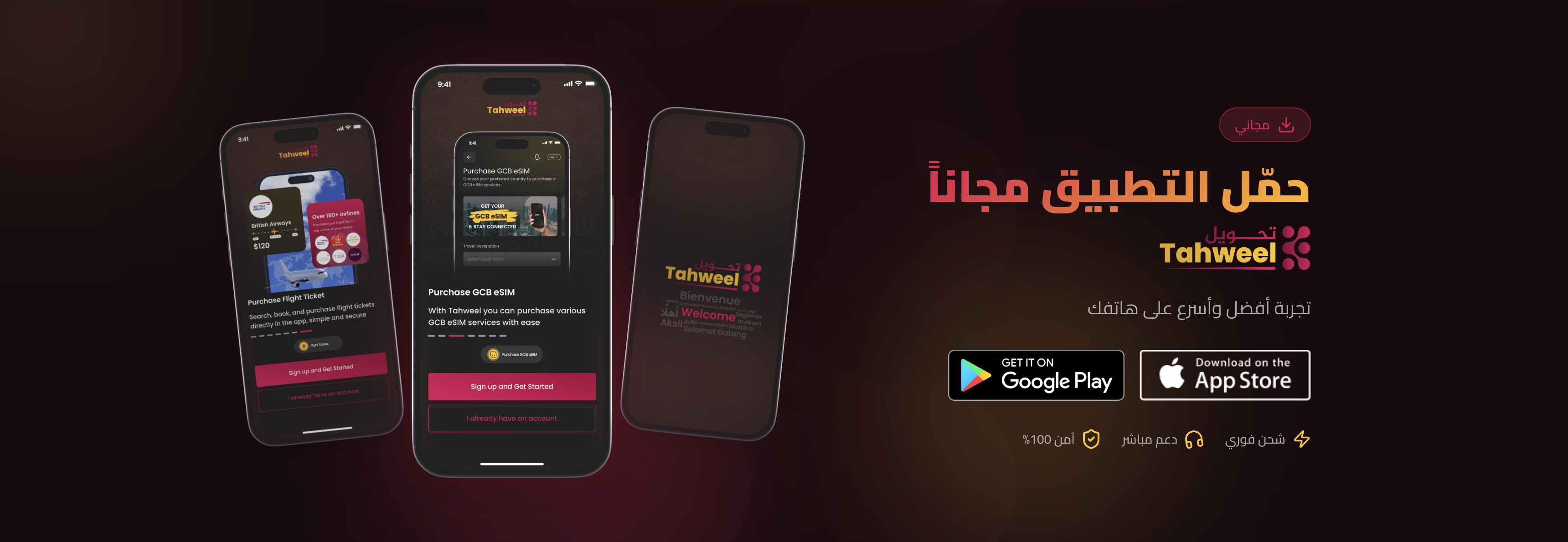
Tahweel application is the best solution for wallet card. Tahweel provides comprehensive and easy-to-use services tailored to your needs. Download the app now from tahweel.io
The Future of the Wallet Card
The evolution of the wallet card is far from over. We are likely to see even greater integration of artificial intelligence (AI) and machine learning into these platforms. AI could enable personalized financial advice, proactive fraud detection, and more sophisticated budgeting tools based on individual spending patterns. The concept of the "super app" is also gaining traction, where a single application could consolidate not only payments and loyalty programs but also ride-sharing services, food delivery, ticketing, and government services, all managed through a unified wallet card interface. Biometric authentication is expected to become even more advanced, potentially incorporating vein pattern recognition or behavioral biometrics for enhanced security. The physical wallet card itself might also evolve, perhaps incorporating flexible displays, advanced sensors, or even modular components allowing users to customize their card's functionality. Furthermore, the intersection of blockchain technology and digital wallets could lead to new paradigms for secure identity management and peer-to-peer transactions, offering unprecedented levels of control and transparency to users. As economies continue to digitize, the importance of a secure, convenient, and integrated wallet card solution will only grow, shaping the future of how we manage our financial lives and interact with the digital world. The ongoing innovation ensures that this technology will remain at the forefront of financial accessibility and convenience, adapting to meet the challenges and opportunities of a connected global society. The journey of the wallet card reflects the broader transformation in how we conduct our financial transactions and manage our digital identities.
The landscape of financial technology is in constant flux, and the wallet card stands as a prime example of this dynamic evolution. What began as a simple replacement for physical cards is rapidly becoming a central hub for managing personal finance, identity, and access. The future promises a seamless blend of our physical and digital lives, with the wallet card acting as a crucial bridge. For instance, imagine a future where a single digital wallet card not only handles payments but also securely stores your verified digital ID for age verification, your library card for borrowing books, and your gym membership for access. This level of integration will streamline countless daily interactions, reducing the need to carry multiple physical items or remember numerous credentials. The underlying technologies, such as NFC, QR codes, and secure elements within devices, will continue to be refined, making transactions faster and more secure. The development of open banking initiatives will also play a significant role, allowing users to securely connect their various financial accounts to their chosen wallet card provider, offering a consolidated view of their financial health. This move towards greater interoperability is vital for unlocking the full potential of digital financial management. As we move forward, the wallet card will undoubtedly become an even more indispensable tool, empowering individuals with greater control, convenience, and security over their financial lives. Its adaptability ensures it will remain relevant and integral to our increasingly digital world, proving that the humble wallet card is at the heart of modern financial innovation. The ongoing journey of this technology is a testament to its adaptability and its critical role in shaping future economic interactions. Every aspect of financial management is being reimagined around this core concept.
Conclusion: Embracing the Convenience of the Wallet Card
The wallet card represents a significant leap forward in how we manage our finances and conduct transactions. Whether opting for the convenience of a digital wallet on your smartphone or the tactile reliability of an advanced physical card, the benefits are clear: enhanced security, streamlined efficiency, and greater control over your financial life. As technology continues to advance, the capabilities and applications of the wallet card will undoubtedly expand, further simplifying our daily interactions and empowering us with innovative financial tools. Embracing these modern payment solutions is not just about convenience; it's about preparing for a future where financial management is more integrated, secure, and accessible than ever before. The evolution from a simple piece of plastic to a sophisticated digital gateway signifies a fundamental shift towards a more connected and user-centric financial ecosystem. The ultimate goal is to provide users with effortless and secure access to their financial resources, making every transaction as smooth and worry-free as possible. This continuous innovation ensures that the wallet card remains at the forefront of how we interact with money and services in the modern age.
The journey from physical wallets to sophisticated digital and physical wallet card solutions highlights a broader trend towards digitization and accessibility in financial services. These advancements offer users unparalleled convenience and robust security, fundamentally changing how we manage our money and engage with the economy. As the technology matures, we can expect even more innovative applications that will further simplify our lives and enhance our financial capabilities. For anyone looking to streamline their transactions and embrace the future of payments, exploring the possibilities offered by today's wallet card solutions is a crucial step. The future is here, and it fits perfectly in your pocket or on your phone, ready to facilitate secure and convenient exchanges at any moment.