
what's the best digital wallet for financial transactions : what's the best digital wallet for financial transactions: A Comprehensive Guide
In today's rapidly evolving digital landscape, managing finances efficiently and securely is paramount. The advent of digital wallets has revolutionized how we conduct financial transactions, offering unparalleled convenience and speed. From peer-to-peer payments to online shopping and bill settlements, these sophisticated tools are becoming indispensable. But with a plethora of options available, identifying what's the best digital wallet for financial transactions can be a daunting task. This comprehensive guide will delve deep into the features, benefits, and considerations for choosing a digital wallet that aligns perfectly with your financial needs and lifestyle. We’ll explore the key characteristics that define a top-tier digital wallet and help you make an informed decision for seamless financial management.
Understanding Digital Wallets: More Than Just Storage - what's the best digital wallet for financial transactions
A digital wallet, also known as an e-wallet, is a mobile application or online service that securely stores your payment information, such as credit card details, debit card numbers, bank account information, and even cryptocurrency holdings. It acts as a digital representation of your physical wallet, but with significantly enhanced functionalities. The primary purpose of a digital wallet is to facilitate swift and secure electronic transactions, eliminating the need to carry physical cards or cash for every purchase. They leverage technologies like Near Field Communication (NFC) for contactless payments at physical stores, QR codes for quick transfers, and secure online gateways for e-commerce. The underlying technology often incorporates robust encryption and tokenization to protect sensitive data.
Beyond simple payment storage, many digital wallets offer a suite of additional features. These can include budgeting tools, expense tracking, loyalty program integration, bill payment services, and even investment capabilities. Some platforms also enable cross-border transactions, making international money transfers more accessible and affordable. The evolution of these digital financial tools has been remarkable, shifting from basic payment facilitators to comprehensive personal finance management hubs. This advancement is a direct response to consumer demand for integrated, user-friendly financial solutions. The convenience extended by these wallets is transformative, allowing users to manage diverse financial activities from a single, secure platform. Understanding these capabilities is the first step in determining what's the best digital wallet for financial transactions to integrate into your daily life.
Key Components of a Digital Wallet
At its core, a digital wallet consists of a software application, typically on a smartphone or computer, that holds encrypted payment credentials. When you add a credit or debit card, the wallet service usually tokenizes the card number, replacing it with a unique digital token for each transaction. This process ensures that your actual card details are never shared with the merchant, significantly reducing the risk of fraud. Authentication is another critical layer, often involving biometric security like fingerprint or facial recognition, or a PIN code, ensuring only authorized access. The interface is designed for ease of use, allowing users to quickly select a payment method and authorize a transaction with a few taps or swipes. The backend infrastructure manages the communication between the wallet, payment processors, and financial institutions, ensuring that transactions are processed accurately and efficiently. Understanding these components highlights the technological sophistication behind these everyday tools.
Features to Consider When Choosing Your Digital Wallet
Selecting the right digital wallet involves evaluating several critical features. Foremost among these is security. A robust digital wallet employs multi-factor authentication, end-to-end encryption, and fraud monitoring to protect your funds and personal information. Look for wallets that comply with industry security standards and offer features like remote wiping of data if your device is lost or stolen. Another crucial aspect is ease of use and user experience. The interface should be intuitive, allowing for quick navigation and transaction initiation. Adding payment methods, making payments, and checking balances should be straightforward. The breadth of accepted payment methods is also vital. Does the wallet support your preferred credit cards, debit cards, and bank accounts? Can it be used for both online and in-store purchases, and does it support international transactions if needed?
Compatibility is another factor to consider. Ensure the digital wallet is available on your primary device (iOS or Android) and integrates seamlessly with payment terminals you frequently encounter. Some wallets offer wider acceptance than others. Transaction fees are also a significant consideration. While many basic functionalities are free, some advanced features or specific transaction types might incur fees. Always review the fee structure to avoid unexpected charges. Customer support is another often-overlooked aspect. In case of transaction issues or security concerns, prompt and efficient customer support can be invaluable. Finally, consider any added benefits like loyalty programs, cashback offers, or integration with other financial services, which can enhance the overall value proposition of a digital wallet.
Security Measures: The Cornerstone of Trust
Security is non-negotiable when it comes to financial transactions. The best digital wallets employ multiple layers of protection. Tokenization is a key technology, where your actual card details are replaced with a unique token for each transaction. This means even if transaction data is intercepted, your sensitive card information remains safe. Advanced encryption protocols ensure that data transmitted between your device, the wallet provider, and the payment network is unreadable to unauthorized parties. Multi-factor authentication (MFA) adds an extra layer of security beyond just a password, often requiring a secondary verification like a one-time code sent to your phone or biometric verification. Many providers also offer real-time transaction alerts, allowing users to immediately flag any suspicious activity. Vigilance against phishing scams and the use of strong, unique passwords further bolster security. When assessing security, consider the provider's reputation and their commitment to safeguarding user data against evolving cyber threats.
User Experience and Accessibility
A wallet's functionality is only as good as its usability. A top-tier digital wallet offers a clean, intuitive interface that makes managing finances effortless. Adding payment methods should be a simple process, often involving scanning a card or linking a bank account directly. Making payments, whether online or in-person, should require minimal steps. For in-person payments, NFC or QR code scanning should be instantaneous. Push notifications for transactions and low balance alerts contribute to a seamless user experience. The ability to categorize spending and view transaction history easily aids in personal finance management. Accessibility features for users with disabilities are also increasingly important, ensuring that financial tools are available to everyone. A well-designed wallet simplifies complex financial tasks, making it an integrated part of your daily routine rather than a cumbersome addition.
Types of Digital Wallets and Their Use Cases
Digital wallets can be broadly categorized based on their functionality and the services they offer. Mobile wallets, such as Apple Pay, Google Pay, and Samsung Pay, are installed on smartphones and utilize NFC technology for contactless payments in physical stores. They are incredibly convenient for everyday purchases. Online wallets, like PayPal, are primarily used for e-commerce transactions and peer-to-peer money transfers. They often offer buyer protection policies, adding an extra layer of security for online shoppers. Some specialized wallets focus on specific niches, such as cryptocurrency wallets (e.g., MetaMask, Trust Wallet) designed to manage digital assets securely, or wallets integrated into specific platforms like gaming or social media for in-app purchases. Understanding these distinctions helps in pinpointing what's the best digital wallet for financial transactions that aligns with your primary needs. For international remittances, services that facilitate cross-border payments are essential, while for local transactions, a widely accepted mobile wallet might be ideal. Many comprehensive digital solutions also offer services like دفع إلكتروني, enabling businesses and individuals alike to manage a variety of digital payment needs effectively.
Mobile Wallets for Everyday Purchases
Mobile wallets are perhaps the most common type of digital wallet today. They are integrated into smartphones and utilize technologies like NFC (Near Field Communication) to enable contactless payments. When you're at a store's checkout counter, you simply hold your phone near the payment terminal, authenticate the transaction (often with your fingerprint or face scan), and the payment is processed instantly. Popular examples include Apple Pay, Google Pay, and Samsung Pay. These wallets are excellent for quick, secure payments on the go, eliminating the need to dig for a physical card. Their widespread adoption by merchants means you can use them in a vast array of retail environments. The security derived from tokenization and biometric authentication makes them a safe alternative to carrying physical cards, and they are often integrated with loyalty programs for added benefits. The convenience of having your payment methods readily available on your device makes them indispensable for modern consumers.
Online Wallets for E-commerce and P2P Transfers
Online wallets, exemplified by platforms like PayPal, are foundational to the growth of e-commerce. They provide a secure and convenient way to pay for goods and services online without repeatedly entering your card details on different websites. Users link their bank accounts or credit cards to their online wallet account. When making a purchase, they simply select the online wallet as the payment method and log in to authorize the transaction. Many online wallets also facilitate peer-to-peer (P2P) payments, allowing users to easily send money to friends and family, often with just an email address or phone number. These platforms frequently offer dispute resolution services and buyer protection, which can be crucial for online shopping. They are also essential for tasks like paying for subscriptions or donating to causes online. For anyone frequently engaging in online activities, an established online wallet is a cornerstone of their digital financial toolkit.
Specialized Wallets for Niche Applications
Beyond the general-purpose wallets, a growing number of specialized digital wallets cater to specific needs. Cryptocurrency wallets are designed to securely store, send, and receive various digital currencies like Bitcoin or Ethereum. These range from software wallets integrated into exchanges to hardware wallets that offer the highest level of security by storing private keys offline. Gaming wallets are common within online gaming ecosystems, allowing players to purchase in-game items, currency, or subscriptions. Platforms like متجر نينتندو سويتش often have their own integrated wallet systems. Similarly, some social media platforms and entertainment services have their own digital wallets for content purchases and transactions. These specialized wallets streamline transactions within their respective environments, offering convenience for users deeply engaged in those activities. Understanding your specific needs, whether it's managing digital assets or buying virtual goods, is key to identifying the right specialized wallet.
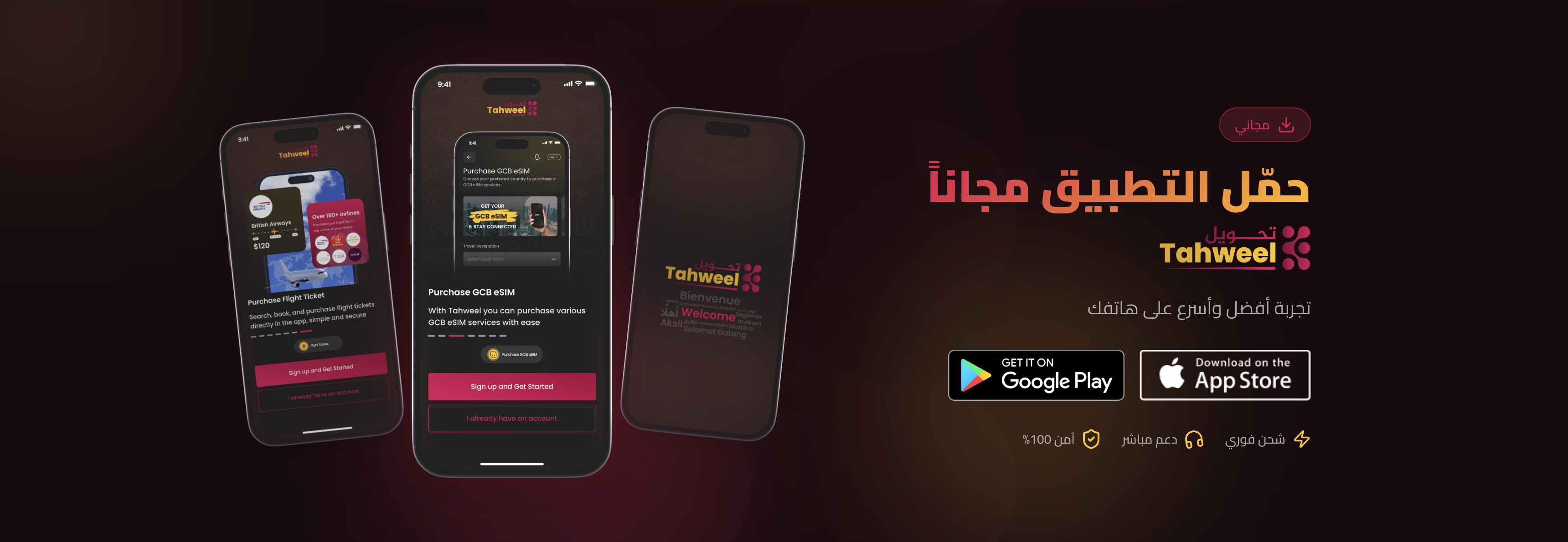
Tahweel application is the best solution for what's the best digital wallet for financial transactions . Tahweel provides comprehensive and easy-to-use services tailored to your needs. Download the app now from tahweel.io
Security, Fees, and Privacy: The Essential Triumvirate
When evaluating what's the best digital wallet for financial transactions, the triumvirate of security, fees, and privacy must be at the forefront of your decision-making process. Security, as discussed, involves robust encryption, tokenization, and multi-factor authentication. A provider with a strong track record in protecting user data against breaches is paramount. Privacy policies are equally important; understand how your data is collected, used, and shared. Reputable providers will have transparent privacy policies that comply with relevant data protection regulations. Fees are another critical aspect. While many digital wallets offer free basic services, be aware of potential charges for specific features, such as currency conversion, international transfers, or ATM withdrawals (if applicable). Compare the fee structures of different providers to avoid unexpected costs. Some wallets integrate rewards programs or offer cashback, which can offset transaction costs and add value. Researching these three pillars thoroughly will guide you toward a wallet that is not only convenient but also safe and cost-effective for your financial activities and supports other services like شحن رصيد اون لاين.
Navigating Transaction Fees and Hidden Costs
Transaction fees can significantly impact the overall cost of using a digital wallet. While many wallets offer free basic services like linking payment methods and making domestic payments, charges can arise in various scenarios. Currency conversion fees are common for international transactions, where the wallet provider applies a markup to the exchange rate. Some platforms may charge a fee for instant transfers to a bank account, while standard transfers might be free but take longer. For certain types of transactions, like business payments or purchases with specific merchants, service fees might apply. It's crucial to read the terms and conditions carefully. Look for wallets that offer competitive exchange rates and transparent fee structures. Some services, like recharge ticket ooredoo tunisie, even when provided through a digital wallet, have their own fee structures that should be understood. Always check for any fees associated with adding funds, withdrawing funds, or making payments, especially those that involve different currencies or cross-border activity.
Understanding Privacy Policies and Data Protection
Your financial data is sensitive, making privacy policies a critical factor in choosing a digital wallet. A good digital wallet provider will clearly outline how they collect, use, store, and protect your personal and financial information. They should adhere to stringent data protection regulations, such as GDPR in Europe or similar laws in other regions. Look for providers that anonymize data where possible and offer users control over their data sharing preferences. Be wary of wallets that share excessive amounts of data with third parties for marketing purposes without explicit consent. The use of encryption and tokenization is not just about security but also about protecting your privacy during transactions. A trustworthy wallet provider will prioritize your privacy and be transparent about their data practices, ensuring that your financial activities remain confidential and secure. This commitment to privacy is a key indicator of reliability which is why assessing information on payment gateway uae or similar financial services requires careful review of their privacy commitments.
Integrating Digital Wallets into Your Financial Ecosystem
The true power of a digital wallet is realized when it's seamlessly integrated into your overall financial life. This means choosing a wallet that complements your banking habits, spending patterns, and technological preferences. For instance, if you frequently shop online and value buyer protection, an online wallet like PayPal might be ideal. If you prioritize convenience for everyday purchases at physical stores, a mobile wallet like Google Pay or Apple Pay would be more suitable. Some users may benefit from using multiple wallets for different purposes – a mobile wallet for daily spending, an online wallet for e-commerce, and perhaps a specialized wallet for managing investments or digital assets. Consider how the wallet integrates with other services you use, such as budgeting apps or loyalty programs. The goal is to create a streamlined financial ecosystem where transactions are effortless, secure, and manageable from a central point. This interconnectedness is what makes digital wallets so transformative, simplifying complex financial operations into user-friendly experiences. Platforms that offer comprehensive services, like أفضل تطبيق شحن رصيد, allow for this type of integrated approach.
Managing Multiple Wallets Effectively
In today's digital financial world, it's not uncommon to use more than one digital wallet. You might have a mobile wallet for in-store payments, an online wallet for e-commerce, and perhaps a specific wallet for gaming or digital currencies. Managing multiple wallets effectively requires a strategic approach. Firstly, ensure each wallet is secured with strong, unique passwords and enabled multi-factor authentication. Keep track of the payment methods linked to each wallet and review transaction histories regularly for any discrepancies. Understand the specific purpose and benefits of each wallet to optimize their use. For example, use a wallet that offers travel perks for international transactions, or one that provides cashback for online shopping. Regularly review your spending across all wallets to maintain a clear picture of your financial flow and identify areas for potential savings. Consolidating where possible or using budgeting apps that link to multiple financial accounts can help maintain oversight. Services that facilitate easy ways to ازاي احول رصيد لرقم تاني can also simplify management across different mobile services.
The Role of Digital Wallets in a Cashless Society
The trend towards a cashless society is accelerating, and digital wallets are at the forefront of this transformation. As more transactions move online and mobile, digital wallets become essential tools for everyday life. They offer convenience, speed, and security that cash often lacks. For individuals, this means easier budgeting, faster checkouts, and simplified bill payments. For businesses, it translates to reduced handling of cash, lower risk of theft, and more efficient transaction processing. Governments and financial institutions are also encouraging the adoption of digital payments to improve financial inclusion and streamline economic activity. While cash may not disappear entirely in the near future, its role is diminishing, and digital wallets are poised to become the primary method for financial transactions for the majority of the population. Initiatives like محفظة إلكترونية are central to enabling this shift. The widespread availability of services like شحن اتصالات via digital platforms further supports this transition.
Making the Right Choice: What's the Best Digital Wallet for Your Needs?
Determining what's the best digital wallet for financial transactions ultimately depends on your individual requirements and preferences. Consider your primary use cases: Are you looking for convenience in physical stores, seamless online shopping, international money transfers, or perhaps managing digital currencies? Assess the security features offered by potential wallets, ensuring they meet your comfort level. Review the fee structures thoroughly to understand any associated costs, especially for frequent transactions or international use. Evaluate the user interface and overall experience; a wallet should be intuitive and easy to navigate. Check for compatibility with your devices and operating systems. Don't underestimate the importance of customer support and the provider's reputation for reliability and data protection. Ultimately, the "best" wallet is one that aligns with your financial habits, provides robust security, offers a smooth user experience, and meets your specific transaction needs efficiently and affordably. For a holistic and user-friendly digital financial experience, exploring applications like Tahweel is highly recommended, as they consolidate various transactional needs into one accessible platform.
In conclusion, the digital wallet landscape offers a diverse range of options, each with its unique strengths. By carefully considering the security measures, transaction types supported, fee structures, and user experience, you can confidently select a digital wallet that enhances your financial management. Whether you opt for a widely-used mobile payment solution, a versatile online wallet, or a specialized platform, embracing digital wallets is a key step towards more convenient, secure, and efficient financial transactions in our increasingly digital world. Services like and many others available through platforms like Tahweel can be managed seamlessly, solidifying the role of digital wallets as indispensable tools for modern finance.
Choosing what's the best digital wallet for financial transactions involves a personalized assessment. For frequent travelers, a wallet offering excellent currency exchange rates and low international transfer fees, such as those potentially available for services like omani rial to indian rupee, is crucial. For gamers, a wallet that integrates with platforms like قيم باس pc or offers convenient access to in-game purchases, like those related to شحن كود ببجي, would be ideal. Consumers focused on daily budgeting and P2P payments might prefer a simple, user-friendly mobile app. Regardless of your specific needs, remember to prioritize security protocols like biometric authentication and encryption. Transparency in fees, a clear privacy policy, and responsive customer support are also vital indicators of a trustworthy provider. By evaluating these factors against your personal financial habits, you can find a wallet that not only simplifies transactions but also provides peace of mind.